The Uses and Benefits of Plumbing Valves: Strainers, Ball Valves, and Regulators
In the realm of plumbing, various types of valves play crucial roles in managing the flow of water and ensuring the system operates efficiently. Among these, brass strainer valves, plumbing brass ball valves, and plumbing regulator valves stand out for their distinct applications and benefits. Understanding each type's specific function and advantages helps in making informed choices for any plumbing system.
Application of Brass Strainer Valve
Brass strainer valves are essential components in plumbing systems designed to protect other valves and equipment from debris and sediment. The primary function of a brass strainer valve is to filter out impurities and prevent them from causing damage to more sensitive parts of the system. These valves are typically installed at the entry points of water lines, where they can catch particles like sand, rust, and other contaminants that may be present in the water supply.
The construction of brass strainer valves generally includes a mesh screen or filter element housed within a durable brass body. The mesh screen allows water to pass through while trapping larger particles. Regular maintenance, such as cleaning or replacing the mesh, ensures the valve continues to perform effectively.
One significant advantage of brass strainer valves is their durability. Brass is resistant to corrosion and can withstand high pressure, making it a reliable choice for long-term use. Additionally, brass strainer valves are relatively easy to install and maintain, making them a practical option for both residential and commercial plumbing systems.
Choice of Plumbing Brass Ball Valve
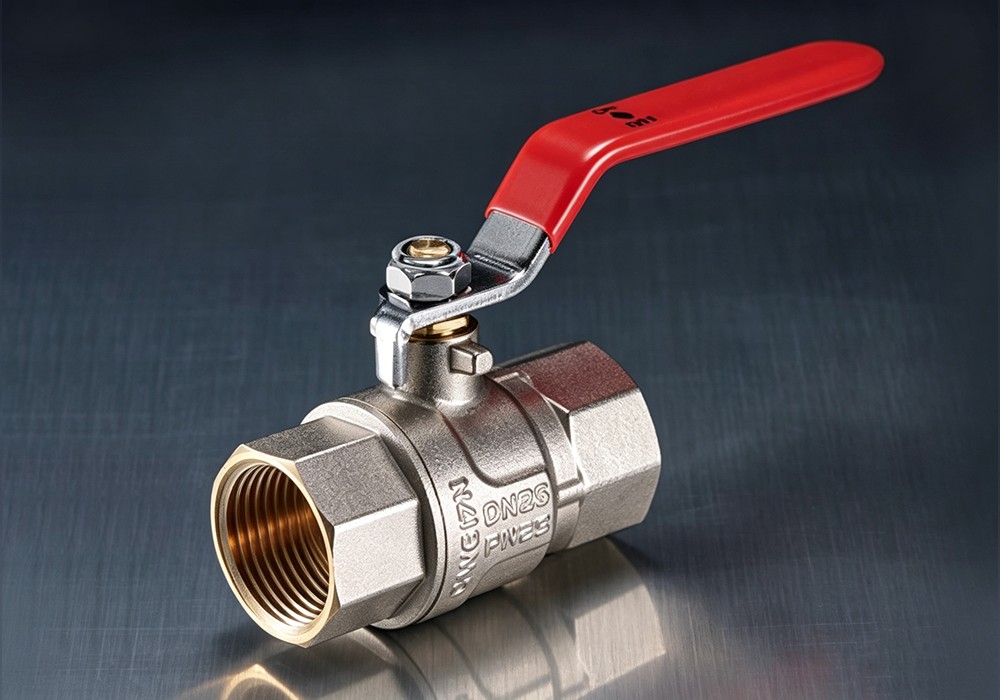
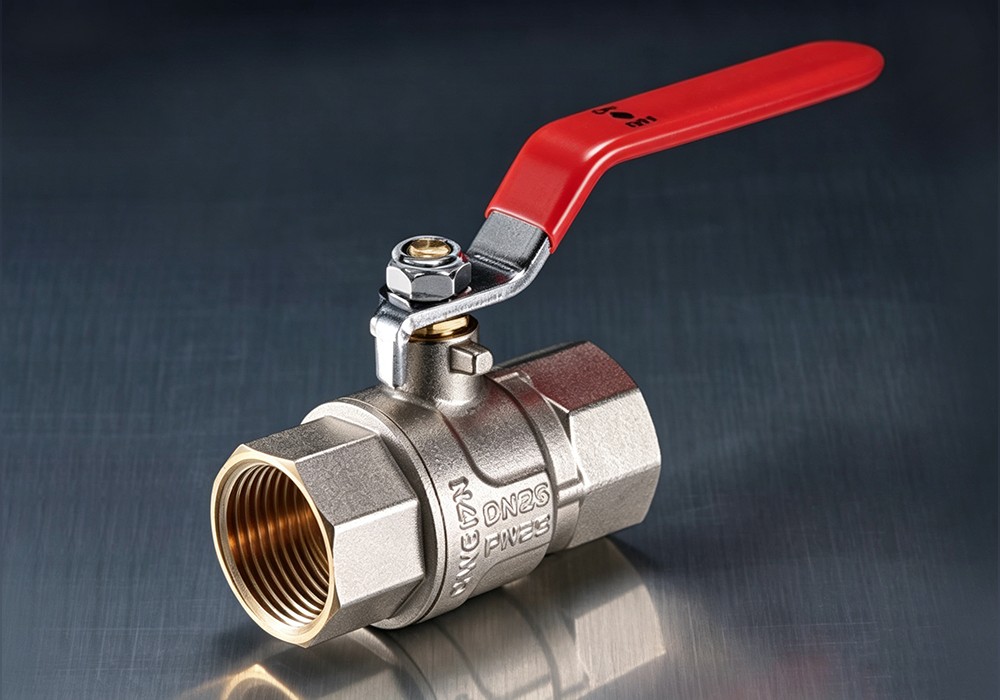
When controlling water flow in a plumbing system, brass ball valves are a popular choice due to their simplicity and reliability. A plumbing brass ball valve operates using a spherical ball with a hole through its center. When the ball is rotated, the hole aligns with the flow path, allowing water to pass through or blocking it completely when perpendicular to the flow.
One of the key advantages of brass ball valves is their ease of use. The quarter-turn operation provides a straightforward and efficient way to control water flow, which can be particularly beneficial in situations where quick shut-off is necessary. Brass ball valves are also known for their durability and resistance to wear and tear, which ensures a long service life with minimal maintenance.
In addition to their operational simplicity, brass ball valves offer sealing capabilities. The design reduces leakage and maintains a tight seal even under high pressure. This makes them a reliable choice for applications where a secure, leak-proof connection is crucial. Their versatility also allows them to be used in various settings, including residential, commercial, and industrial plumbing systems.
Advantages of Plumbing Regulator Valve
Plumbing regulator valves, also known as pressure regulator valves, are instrumental in maintaining consistent water pressure within a plumbing system. These valves automatically adjust the pressure of the water entering the system to ensure it remains within the desired range, protecting the system from damage caused by excessive pressure.
One of the primary benefits of a plumbing regulator valve is its ability to prevent pressure-related issues, such as pipe bursts and leaks. By regulating the pressure, these valves help extend the lifespan of plumbing fixtures and appliances, reducing the need for frequent repairs or replacements.
Another advantage is improved water efficiency. Consistent pressure helps ensure that water flow is steady and predictable, which can enhance the performance of faucets, showers, and other water-using fixtures. This can bring about more efficient water use and potentially lower utility bills.
Plumbing regulator valves also contribute to overall system safety. By preventing pressure surges, they reduce the risk of damage to pipes and fixtures, which can help avoid costly repairs and potential water damage to the property. Additionally, many modern regulator valves are designed to be easy to install and adjust, offering convenience and flexibility in maintaining system performance.

 English
 русский