2026-07-17
You see them everywhere. Plumbing systems. Heating loops. Air lines. Water treatment. Small, reliable, and everywhere. A brass ball valve is one of those components you don't think about until it fails. A sale brass ball valve factory produces these valves in volume—standard sizes, standard materials, standard performance. They're not fancy, but they work. And when you need thousands of them, you go to a factory that makes them right.
The Ball Does the Sealing, and It's Quarter-Turn Operation
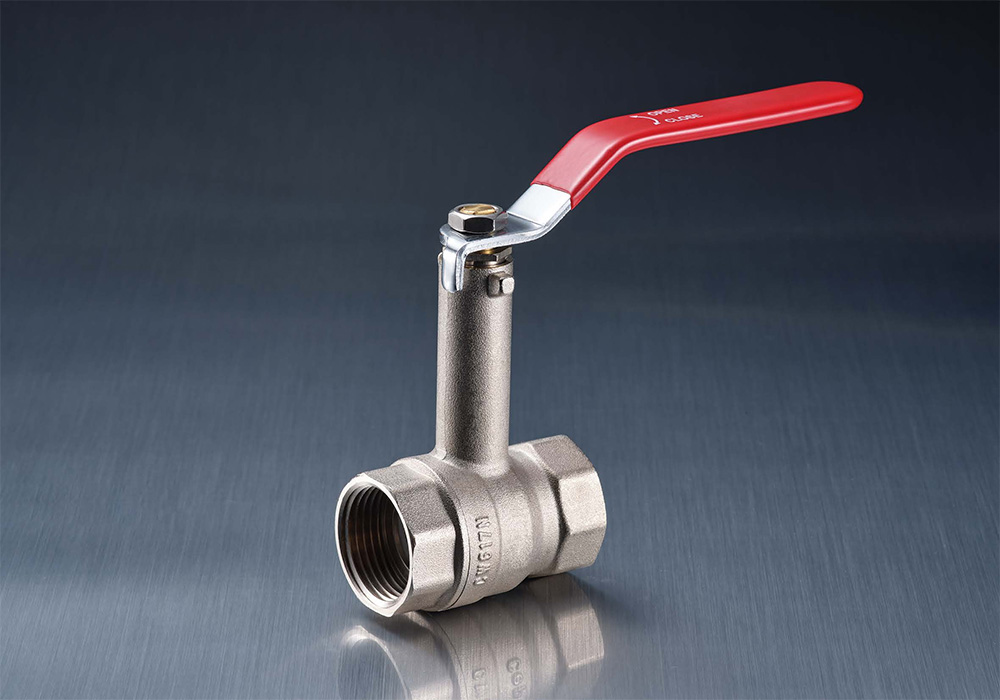
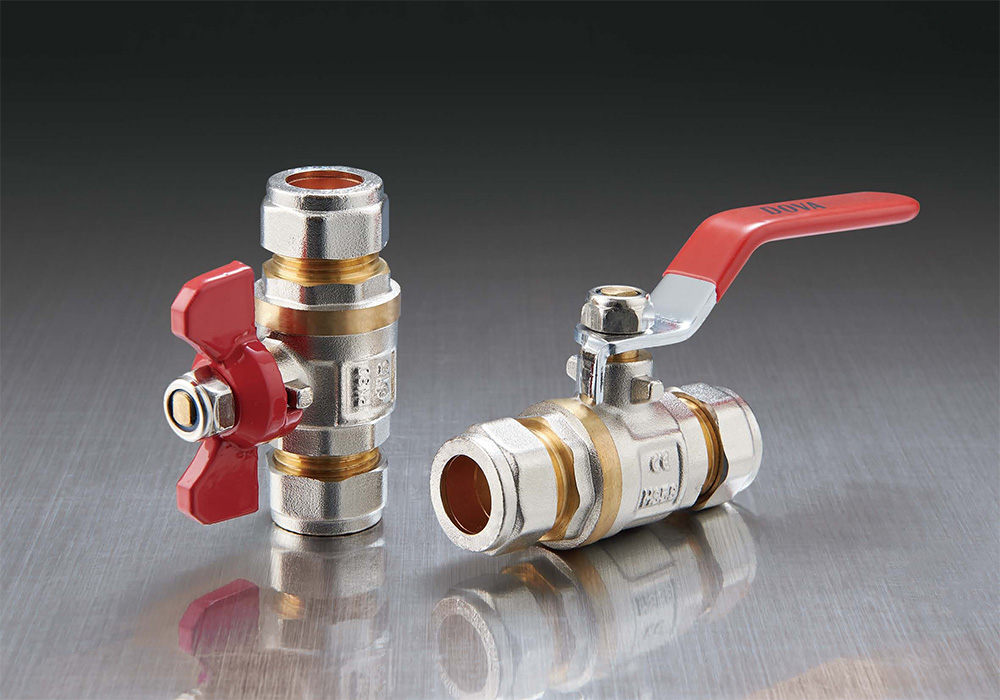
Inside the valve is a brass ball with a hole through the middle. Handle parallel to the pipe means the hole lines up—flow passes through. Handle perpendicular means the ball blocks the opening—flow stops. Simple mechanism. Works every time. A quarter turn from open to closed. Quick operation, easy to see at a glance whether the valve is open or closed.
Brass Is the Material of Choice for Most Applications
Corrosion-resistant enough for water and air. Strong enough for moderate pressure. Machines easily. Costs less than stainless. A sale brass ball valve factory uses brass because it works for most applications. They know the alloys, the machining, and the casting process. It's what they do every day.
They Have the Tooling and the Material Sourcing
Ball valves require specific machining. Balls need to be precisely round. Seats need to be smooth. A sale brass ball valve factory has the machines set up for this specific product. Lower cost per piece. They also buy brass in volume, get better pricing, and pass some of that along. If you're buying hundreds or thousands, that matters.
They Know the Material and the Manufacturing Process
Brass is not complicated, but it has quirks. A sale brass ball valve factory works with brass alloys every day. They know lead-free vs. standard. They know which alloy machines better. They know how to avoid porosity in castings. That experience translates into fewer bad valves.
The Body, the Ball, and the Seats
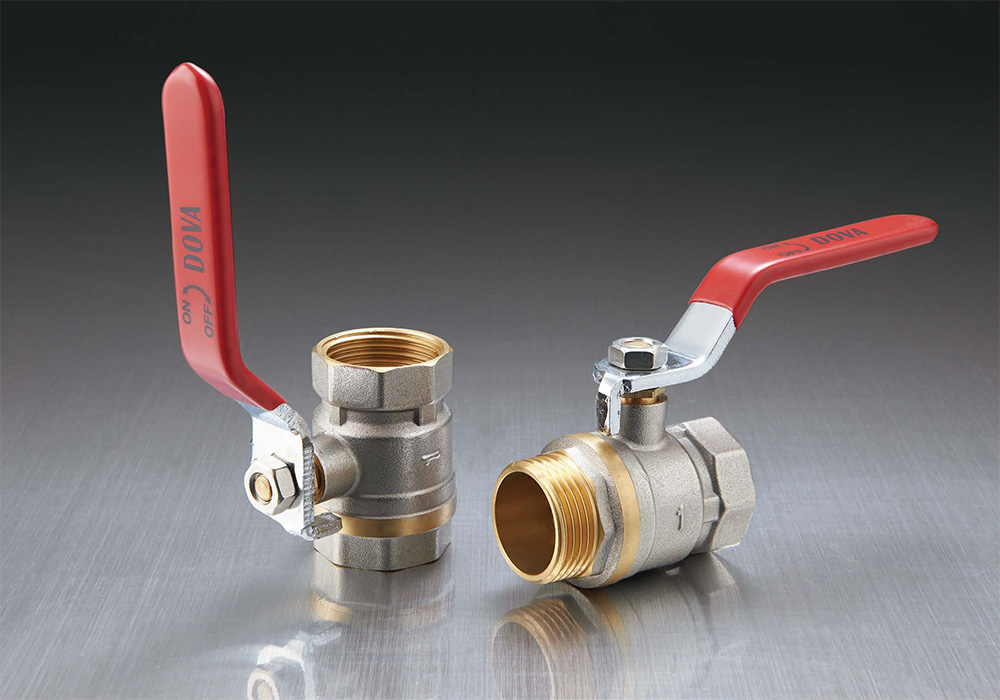
The body is cast or forged brass, holding everything together and containing the pressure. The ball is a machined brass sphere, polished to a smooth finish for better sealing. The seats are PTFE or reinforced PTFE, sealing against the ball with low friction and long life. A sale brass ball valve factory uses the right materials for each component.
The Stem, the Handle, and the Connections
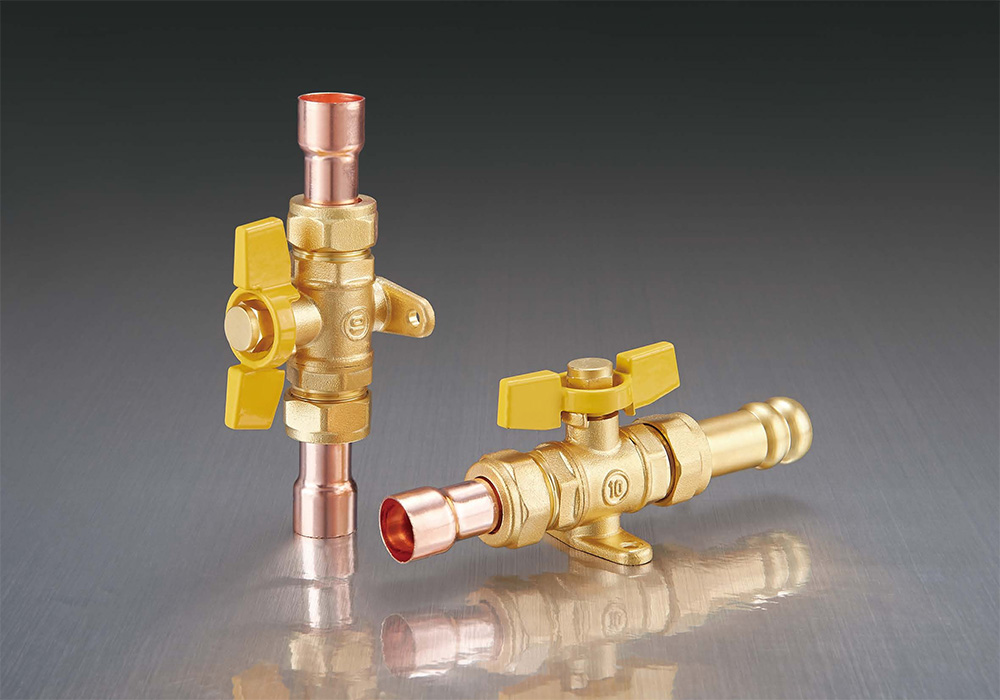
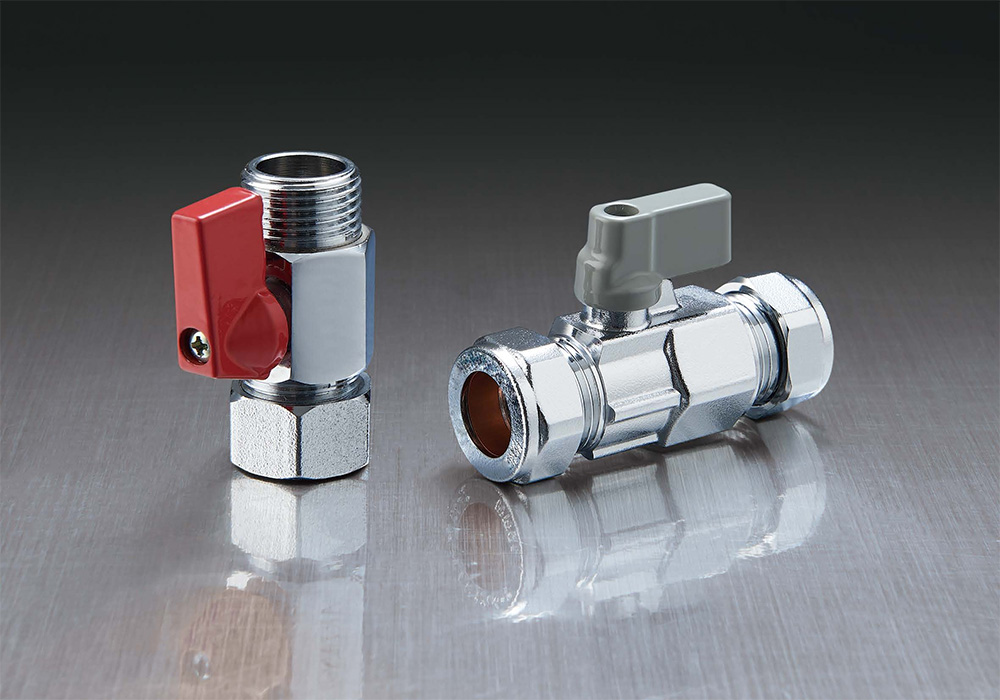
The stem connects the handle to the ball, with O-rings or packing to prevent leakage around the handle. The handle is a lever or wheel—easy to grip and clearly indicating valve position. Connection types include threaded, soldered, and press-fit. A sale brass ball valve factory offers the options your piping system requires.
Typical specs for brass ball valves:
Residential and Commercial Plumbing Systems
Water shutoff at fixtures. Main water line isolation. Brass ball valves are everywhere in plumbing. A sale brass ball valve factory supplies the valves that plumbers install daily. Also used in HVAC systems—boilers, chillers, radiators—to isolate equipment for service.
Compressed Air and Industrial Water Service
Air lines need shutoff valves. Brass ball valves work for compressed air up to moderate pressures. A sale brass ball valve factory produces valves with thread connections for air piping. Also used for cooling water and light chemical transfer, where brass is compatible with the fluid.
Material Standard, Pressure Rating, and Connection Type
Lead-free vs. standard—for potable water, you need lead-free brass. A sale brass ball valve factory should clearly mark the maximum working pressure on the valve or packaging. Match it to your system pressure. Connection types include threaded, soldered, and press-fit. Make sure you're getting the right one for your piping system.
Seat Material and Testing
PTFE is standard for most applications. If you have specific requirements, ask about RPTFE or other materials. A sale brass ball valve factory should test each valve for leakage at rated pressure. Batch testing is acceptable. No testing is not acceptable.
Brass ball valves are simple components. But they're also critical. One bad valve, one leak, one stuck handle—and you've got problems. A sale brass ball valve factory that does it right uses good materials, machines them properly, tests them, and labels them clearly. It's not complicated, but it does require consistency. That's what you're paying for. A valve that works when you need it to.
Copyright © Zhejiang Jiafu HVAC Co., Ltd. All Rights Reserved.


 English
 русский