2026-07-10
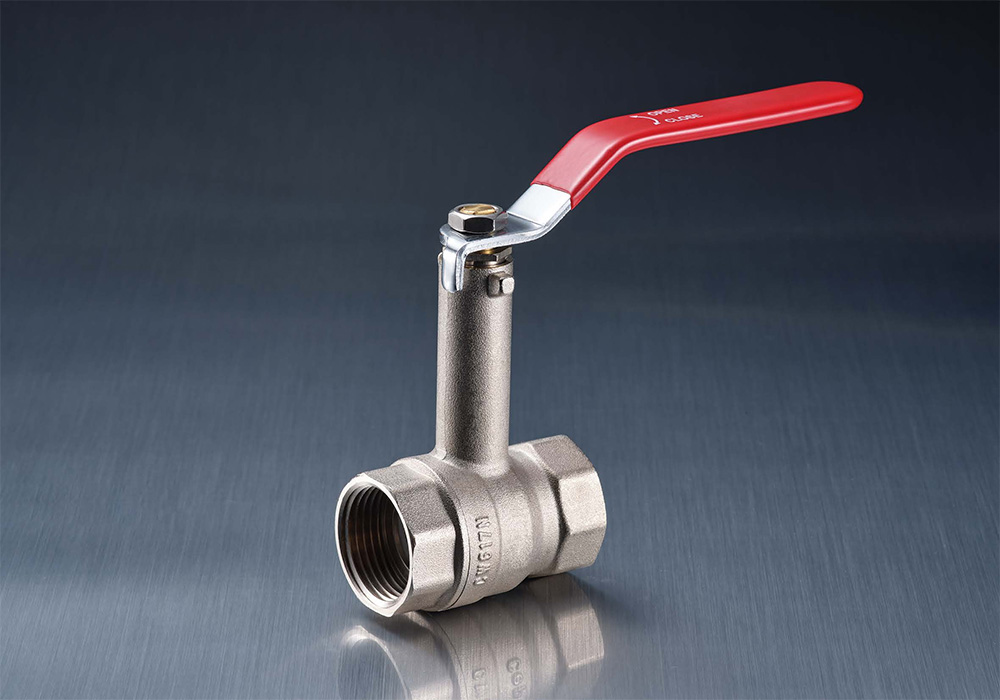
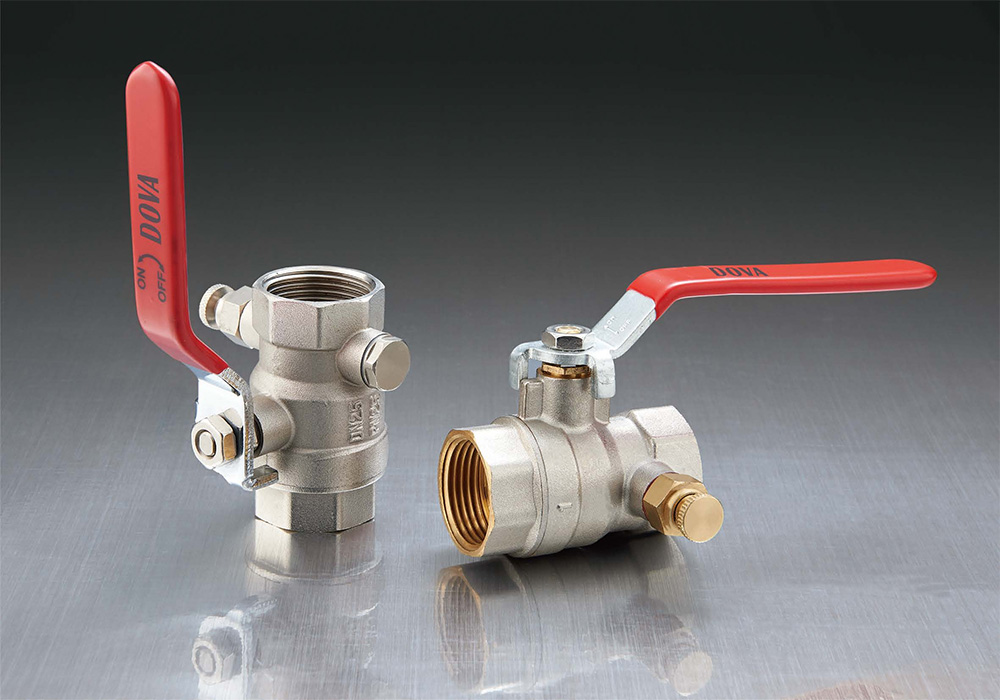
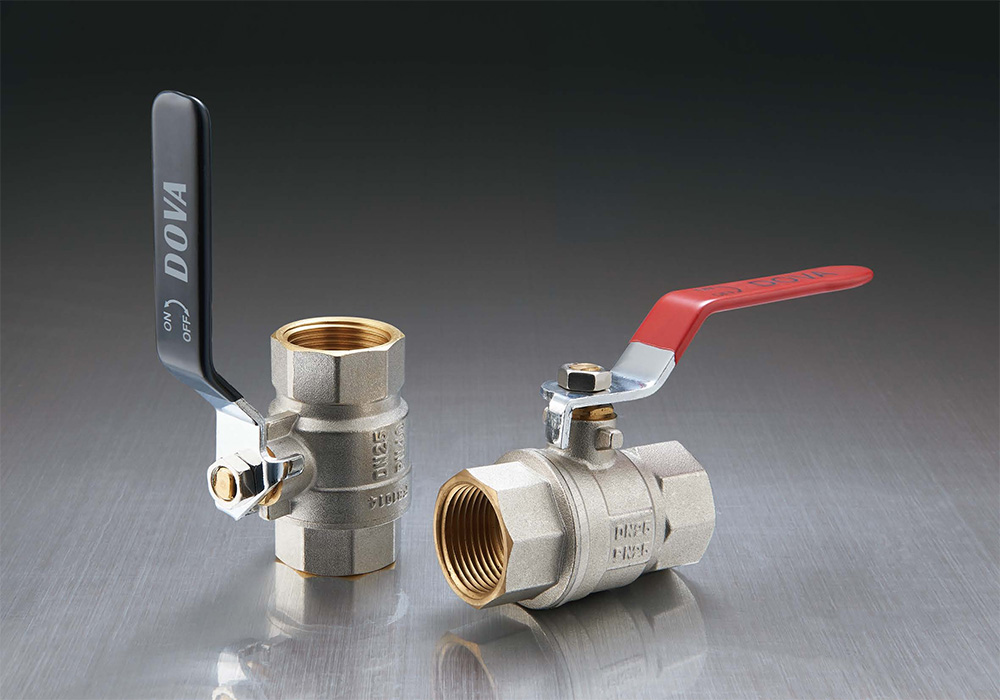
The brass check valve factory has become a critical supplier for plumbing, HVAC, and industrial systems requiring reliable backflow prevention in fluid handling applications. This specialized facility produces brass check valves that allow fluid to flow in one direction while automatically closing to prevent reverse flow, protecting pumps, compressors, and other equipment from damage. Recent industry data indicates that brass check valves have maintained strong demand due to their corrosion resistance, durability, and suitability for both residential and commercial applications. The factory's precision manufacturing processes ensure consistent quality across production batches.
The brass check valve is engineered with a simple yet effective design that ensures automatic operation without external control. The valve features a spring-loaded disc or swing-type mechanism that opens when fluid pressure exceeds the cracking pressure, typically ranging from 0.5 to 5 PSI depending on the valve size and application, allowing flow in the forward direction. When flow stops or reverses, the disc returns to its seat under spring force or gravity, creating a tight seal that prevents backflow and protects downstream equipment. The brass construction provides outstanding corrosion resistance and durability, making these valves suitable for use with water, oil, and other compatible fluids across a wide temperature range.
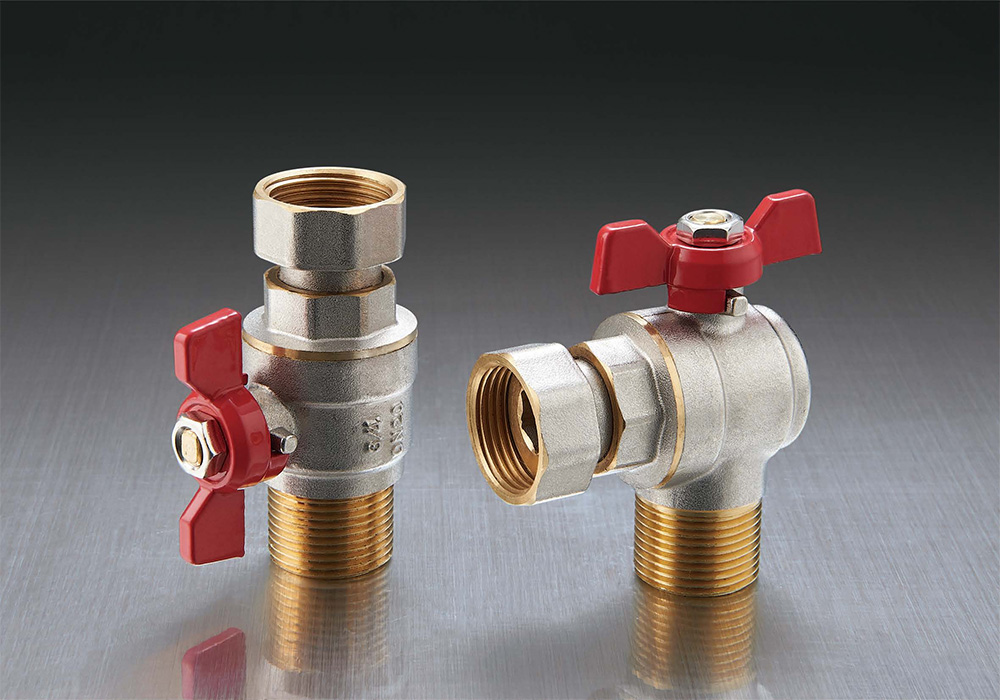
The valve body is typically machined from high-quality brass alloy such as C83600 or C84400, chosen for its outstanding machinability and resistance to dezincification, with precision-machined sealing surfaces that ensure reliable performance. The internal components are designed for smooth operation, with the disc guided by a stem or cage to maintain proper alignment during opening and closing cycles. The valve is available in various end connections, including threaded, flanged, and push-fit, to suit different installation requirements.
The brass check valve factory uses high-grade brass alloys that offer outstanding corrosion resistance and mechanical strength for long-term reliability. The brass material is chosen for its resistance to dezincification, a common failure mode in brass components exposed to aggressive water conditions, which prevents premature failure and extends service life. The valve body is cast or forged to provide the necessary strength and pressure rating, typically up to 400 PSI for standard models, then machined to precise tolerances for ideal sealing. The brass construction also provides good thermal conductivity, making the valve suitable for hot water applications up to 200°F.
Key material properties include:
The brass alloy is also lead-free for drinking water applications, complying with industry regulations. The material selection is carefully matched to the intended application, with the factory offering different brass compositions for specific fluid and temperature requirements.
The brass check valve factory utilizes advanced production processes to ensure consistent quality and performance across all products. The manufacturing process includes casting or forging of the valve body, precision machining of sealing surfaces and threads, assembly of internal components including the disc, spring, and seals, and rigorous testing to verify performance. Each valve undergoes pressure testing to verify its sealing capability and structural integrity, with typical test pressures at 1.5 times the rated working pressure. The factory maintains quality control systems that comply with industry standards such as ISO 9001.
Quality assurance includes:
The factory also performs life-cycle testing on sample valves to verify durability and reliability. Testing records are maintained for each production batch, providing traceability for quality audits.
Brass check valves are used across a wide range of industries and applications, providing reliable backflow prevention in diverse settings. In plumbing systems, they prevent backflow of contaminated water into potable water supplies, protecting public health. In HVAC systems, they maintain proper flow direction in heating and cooling circuits, ensuring efficient operation. In industrial applications, they protect pumps and compressors from reverse flow damage that can occur during system shutdowns. The valves are also used in irrigation systems, water treatment facilities, and marine applications where corrosion resistance is essential.
Brass check valves require small maintenance when properly selected and installed. The valve should be inspected periodically for signs of wear or damage, with the sealing surfaces checked for debris or corrosion. The valve should be cleaned if necessary, with any worn components replaced to ensure continued reliable operation.
When selecting a brass check valve factory, buyers evaluate the quality and consistency of the valves produced, the materials and alloys used in manufacturing, the factory's production capacity and lead times, and the factory's quality control and testing procedures. Buyers also consider the factory's compliance with relevant industry standards such as ASTM, ASME, and ISO. The factory's reputation for reliability and customer support is also an important consideration. Proper selection ensures reliable and long-lasting flow control performance.
Copyright © Zhejiang Jiafu HVAC Co., Ltd. All Rights Reserved.


 English
 русский