2026-07-03
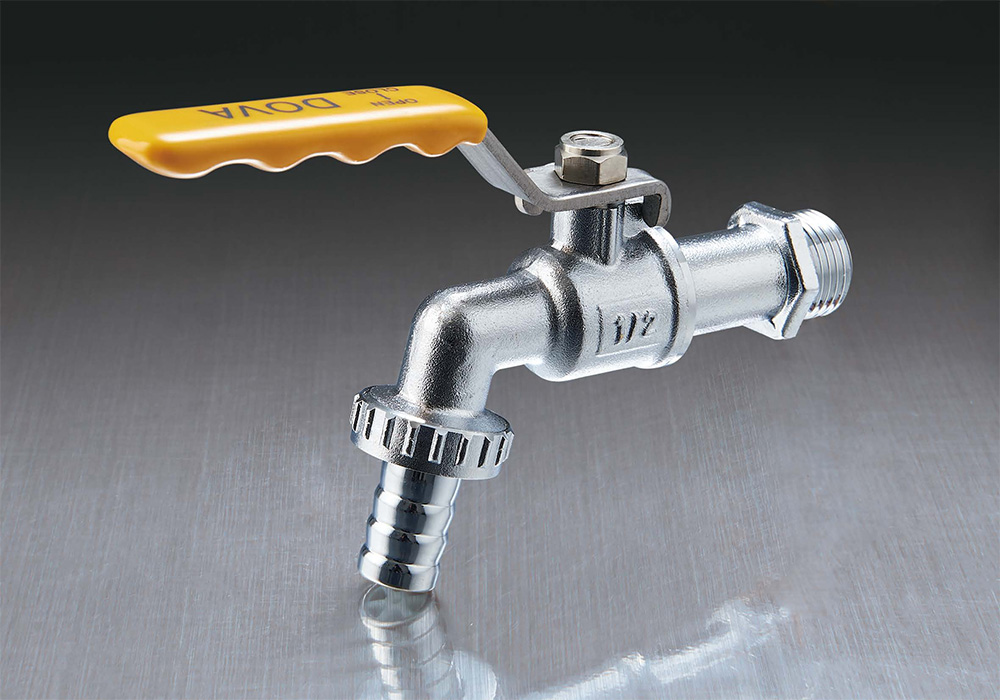
A bibcock lives outside on a wall, in sun and rain, sometimes untouched for months, sometimes wrenched open twice a day. Many fail at the thread or the seat. A brass bibcock factory that cuts good threads and machines a flat seat makes a valve that lasts a decade. One that rushes either makes a valve that drips by the end of the first dry season.
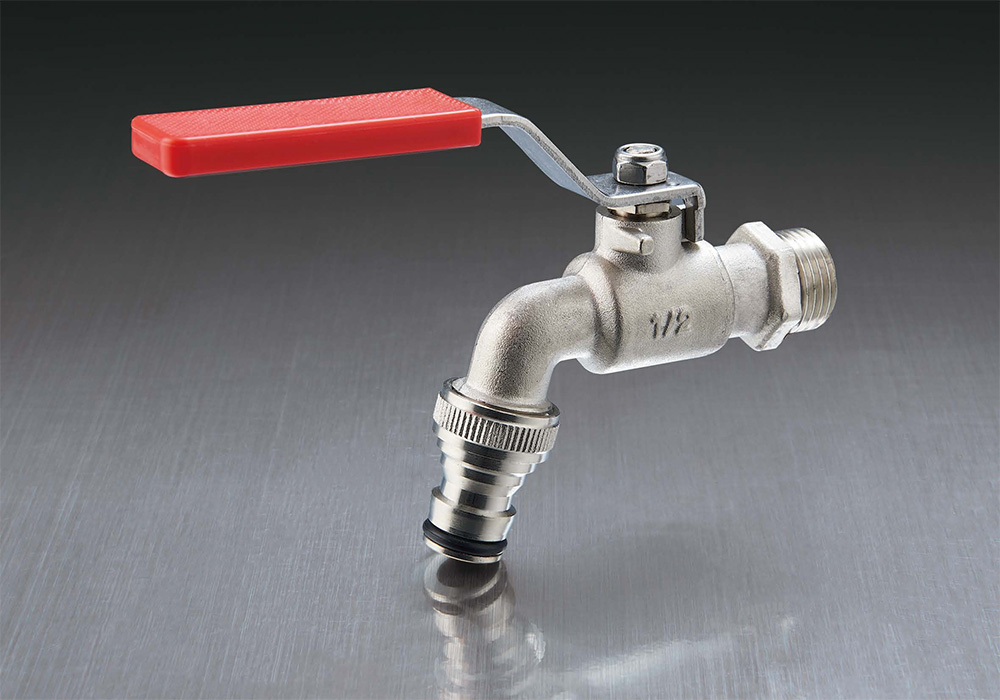
Hot-forged brass bodies are denser than cast, with fewer internal voids that can open into pinhole leaks after thermal cycling. The alloy matters. Low-lead or DZR brass resists dezincification—the leaching of zinc that leaves a weak, porous copper shell. A brass bibcock factory should name the alloy grade. CW617N is a common forging brass. If they cannot name it, assume the cheap melt available. Forged bodies hold up better in freeze-thaw conditions, which is worth knowing if the valve is going onto an exterior wall.
Inlet threads are usually BSP or NPT. A thread cut slightly undersized bottoms out loose and needs excessive sealant. One cut oversized jams and can crack the mating fitting when forced. A brass bibcock factory checks threads with a ring gauge, not a quick visual pass. The thread surface should be crisp, slightly textured for sealant grip, not sharp enough to cut and not polished smooth.
Inside the body, the valve seat is where the spindle washer presses down to stop flow. If the seat is machined even slightly off-angle, the washer wears unevenly. A groove forms. The valve drips. The user tightens the handle harder, deepening the groove. A brass bibcock factory that reams the seat after body machining ensures it stays flat and perpendicular. Check a sample: close the valve, then remove the spindle and look at the washer. A uniform compression ring means the seat is aligned. Deeper wear on one side means it is not.
Brass-on-brass spindle threads can gall without proper lubrication or a slight material difference between the spindle and the gland nut. Some factories use a different brass alloy for one of the two parts to separate the wearing surfaces. A brass bibcock factory that specs both materials has thought about seizure in coastal or high-humidity environments.
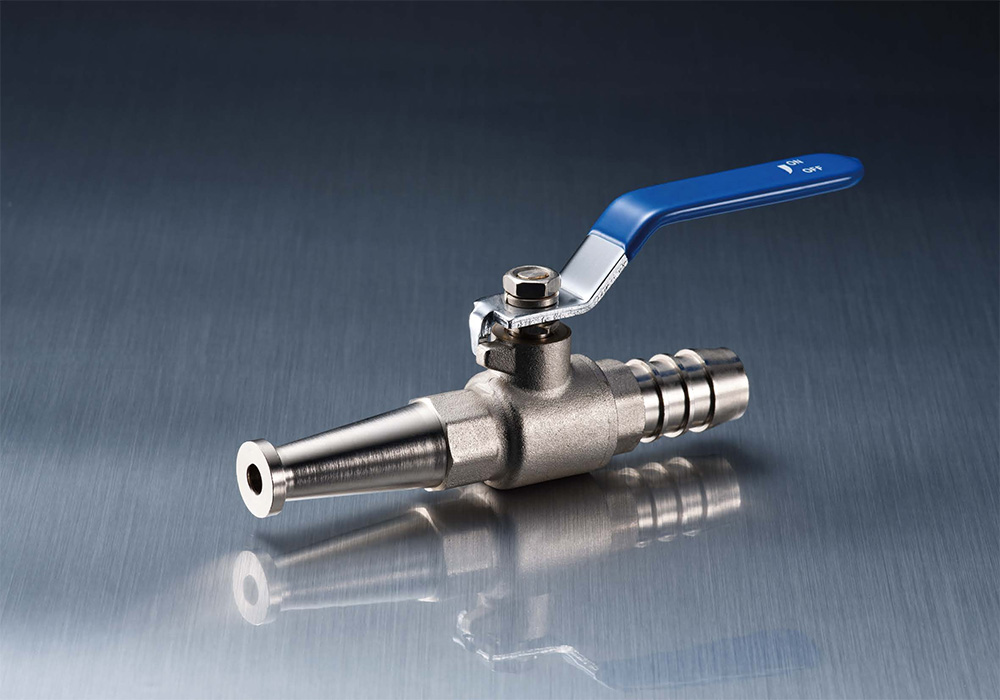
The handle takes daily abuse. Cast metal with a snug square drive outlasts plastic, which goes brittle under UV and rounds off after a few seasons. For outdoor service, metal handles are the safer default. The gland packing around the spindle stops stem leaks. Graphite-impregnated yarn can be tightened as it compresses over time. An O-ring works until it hardens or nicks, then the whole valve gets thrown away because there is no adjustment. A brass bibcock factory that ships with an adjustable gland nut and serviceable packing is selling a maintainable product.
Pressure-test the shell and the closed seat at one and a half times the rated working pressure. Open and close the valve twenty times under pressure, checking the gland for leaks each time. Thread a standard hose connector on and off ten times and look for galling or cross-threading on the outlet. A brass bibcock factory that runs these checks on every production batch catches tool wear and material shifts before they reach the customer. One that tests a single valve from a large run and hopes for the ideal is shipping valves that will not all be the same. The threads drift. The seat tooling dulls. A factory that measures rather than assumes is the one worth buying from.
Copyright © Zhejiang Jiafu HVAC Co., Ltd. All Rights Reserved.


 English
 русский