2026-08-21
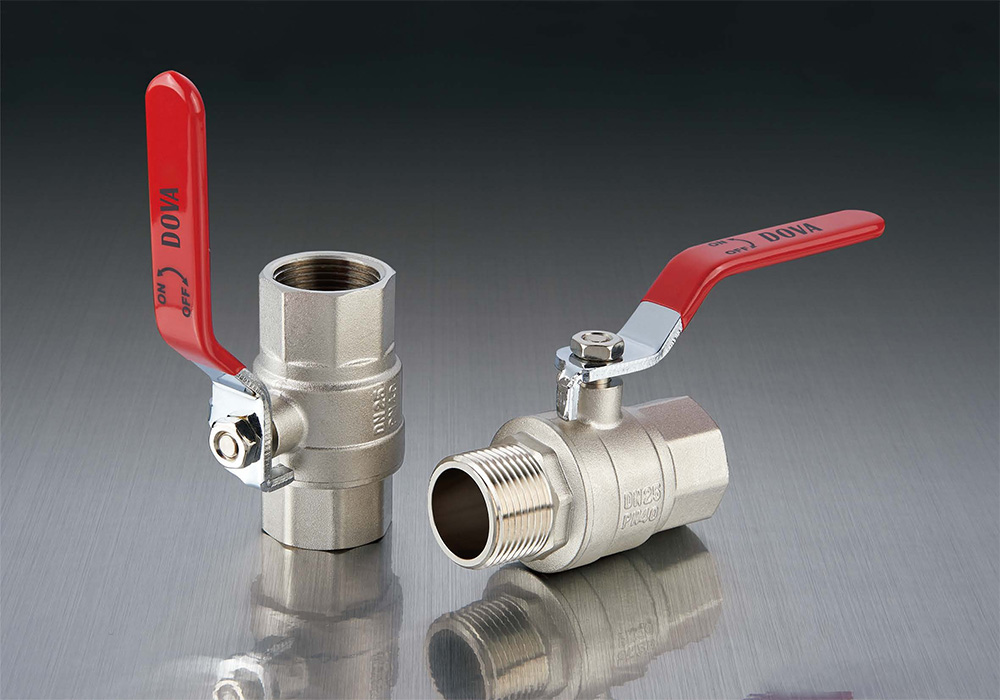
Under a bathroom sink, behind a toilet, on a water line feeding a washing machine. A small brass valve sits there, rarely touched until something leaks or needs replacing. A brass mini ball valve gives a quarter-turn shutoff in a compact body. The handle swings 90 degrees. The water stops. No cranking a multi-turn stop valve that has seized from years of disuse. A brass mini ball valve manufacturer builds these valves for plumbing wholesalers, appliance makers, and anyone who needs reliable isolation in a tight space.
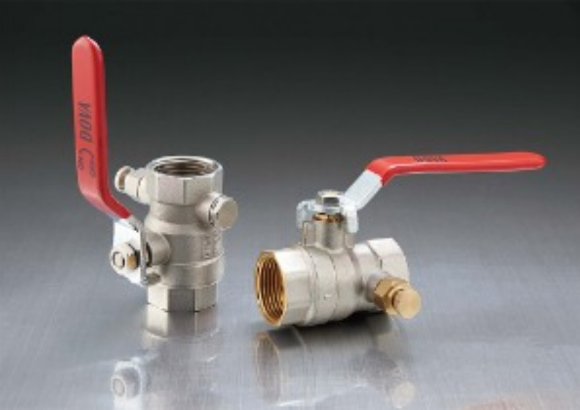
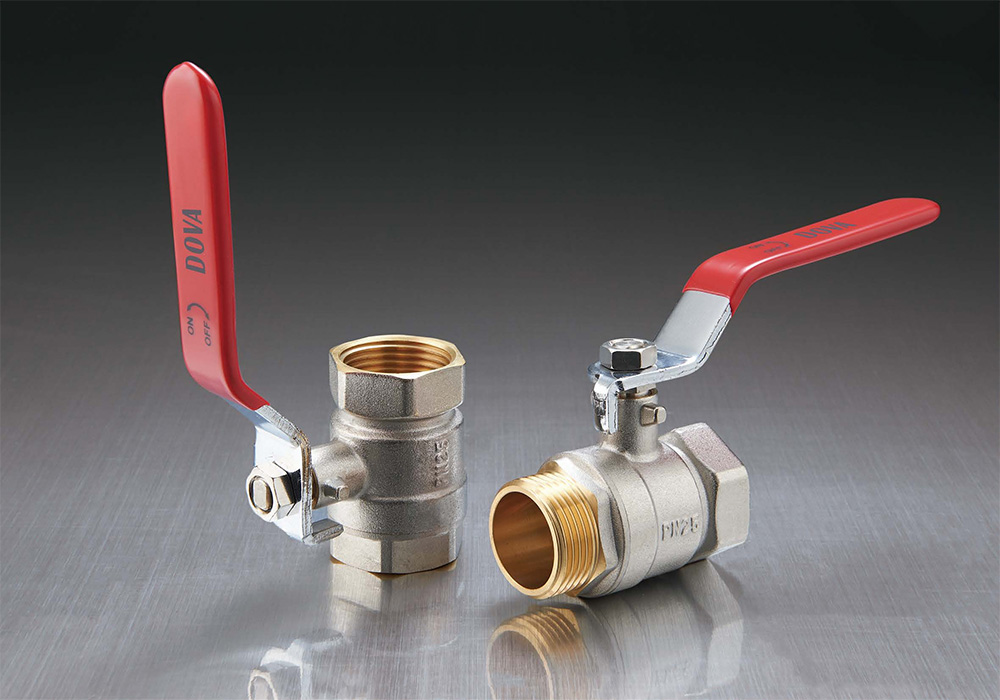
The ball inside is a polished brass or chrome-plated brass sphere with a hole through the center. In the open position, the hole aligns with the flow path. A quarter turn of the handle rotates the ball 90 degrees. The hole faces the valve wall. Flow stops. The ball sits between two PTFE seats that seal against it on both sides.
The body is forged or machined brass, typically lead-free for potable water applications. A brass mini ball valve with a forged body has denser metal structure and fewer porosity risks than a cast body. The valve handles working pressures up to 16 bar or more depending on the size and construction.
The stem passes through a PTFE packing gland or an O-ring seal at the top of the body. The handle attaches to the stem with a nut or a screw. A brass mini ball valve manufacturer sizes the stem to transmit the torque needed to turn the ball under full line pressure without the stem twisting or the handle stripping.
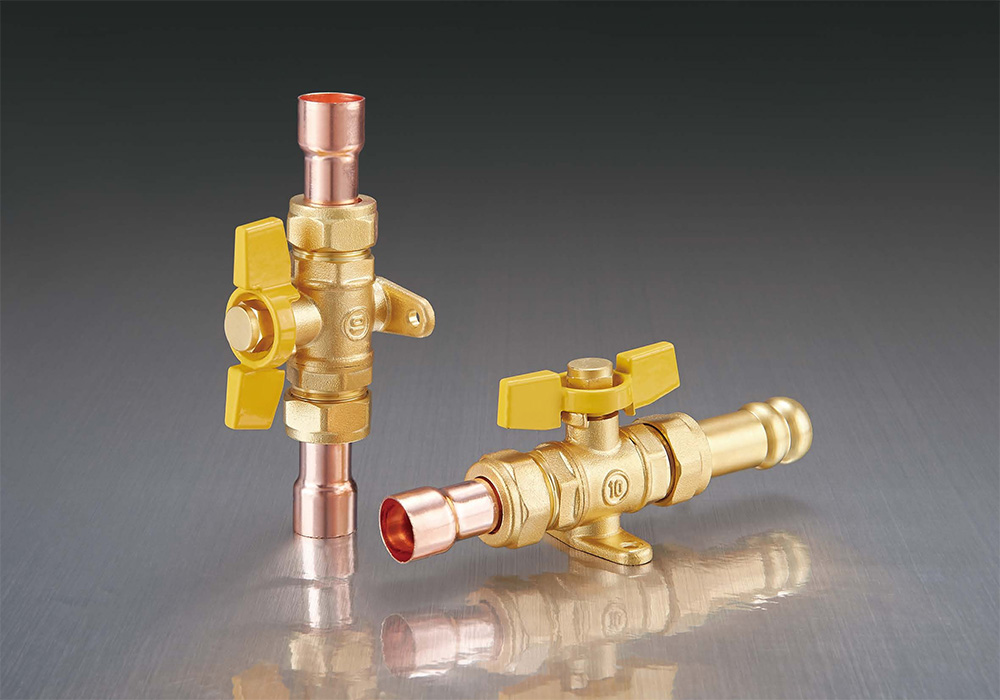
Mini ball valves come with male or female threaded ends, typically BSP or NPT threads in sizes from 1/4 inch to 1 inch. A brass mini ball valve with compression ends connects directly to copper or plastic pipe without soldering. Push-fit ends are a newer option for tool-free installation.
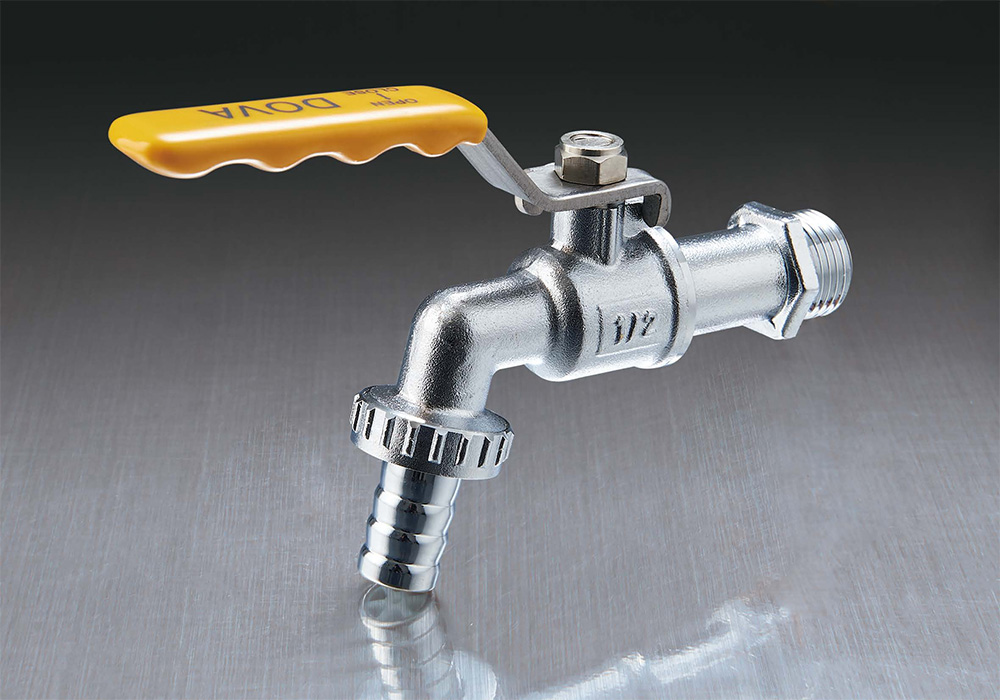
The handle is the user interface. A lever handle gives visual indication of the valve position. A butterfly handle is compact enough to fit behind an appliance. A brass mini ball valve manufacturer offers handle options to match the installation constraints. Some valves come with a locking hole for a padlock or a clip-on lockout device.
Here is what a mini ball valve needs to deliver:
Under sinks and basins as isolation valves for the faucet supply lines. A brass mini ball valve lets the homeowner shut off water to one fixture without turning off the whole house. Behind toilets for the same purpose. On appliance supply lines for washing machines, dishwashers, and water heaters. The valve isolates the appliance for service or replacement.
In plumbing manifolds and distribution panels where multiple lines branch from a central point. A brass mini ball valve on each branch line lets the plumber isolate individual circuits.
In heating systems on radiator connections and zone valve bypasses. A brass mini ball valve on a radiator supply allows individual radiator isolation for bleeding or removal.
The ball seizes in the seats because the PTFE cold-flowed around the ball during years of sitting in one position. A brass mini ball valve with properly loaded seats resists this. The stem packing hardens and leaks when the valve is finally turned. PTFE packing with an adjustable gland nut can be tightened to stop the leak.
The handle corrodes because it was plated steel instead of stainless or solid brass. A brass mini ball valve manufacturer that uses stainless steel handles and fasteners eliminates rust stains on the valve body.
A brass mini ball valve sits in the dark under a sink for a decade, waiting for the moment it is needed. When that moment comes, it has to turn. Choose a manufacturer that machines the ball round, loads the seats properly, and builds the stem to transmit torque without leaking. The water will stop when the handle turns. That is the only job.
Copyright © Zhejiang Jiafu HVAC Co., Ltd. All Rights Reserved.


 English
 русский