2026-08-28
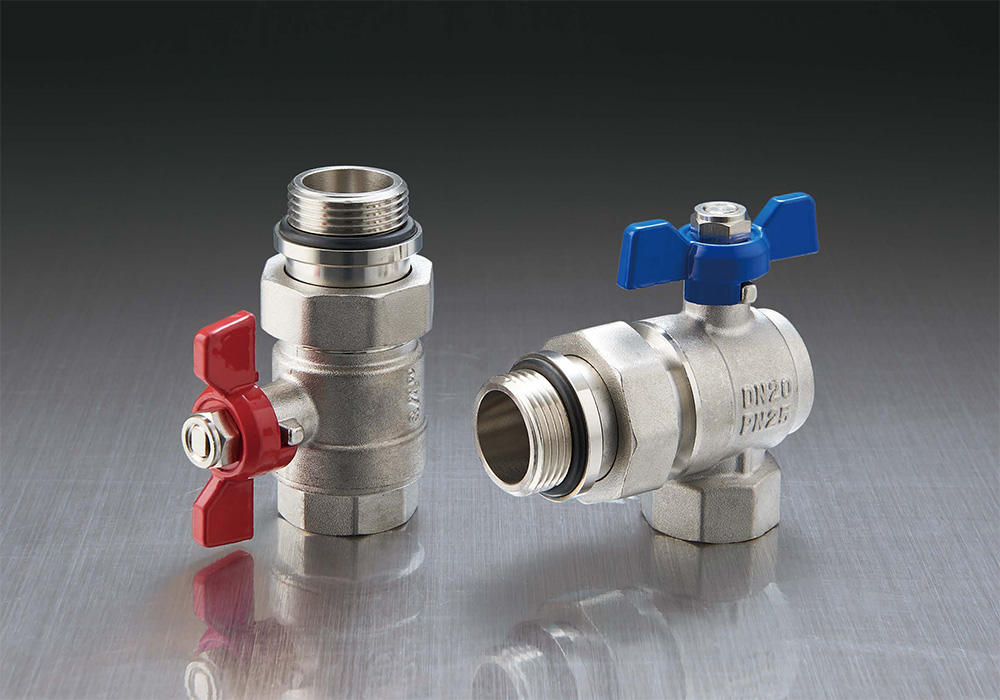
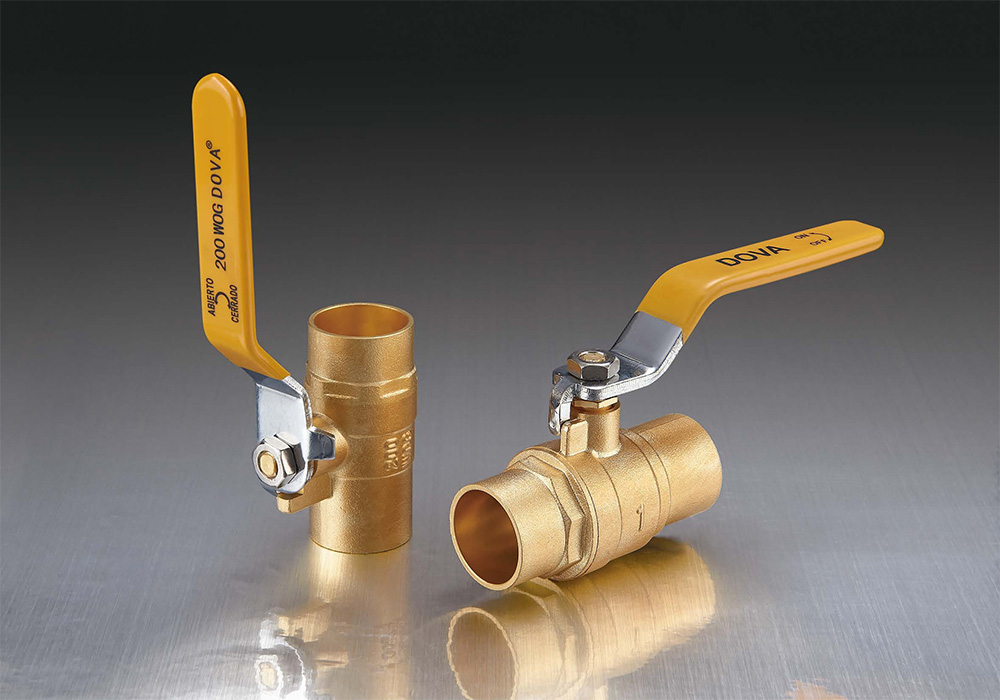
A brass ball valve shuts off water with a quarter turn. It sits on plumbing supply shelves in hardware stores, in the warehouses of plumbing wholesalers, and in the shipping containers of importers who supply entire regions. A sale brass ball valve manufacturer competes on price while keeping the valve functional. The brass body has to be thick enough to hold pressure. The ball has to be round enough to seal. The handle has to turn without snapping. At the volume and price point these valves move, the difference between a valve that works and one that leaks comes down to how the manufacturer controls material cost without cutting through the pressure boundary.
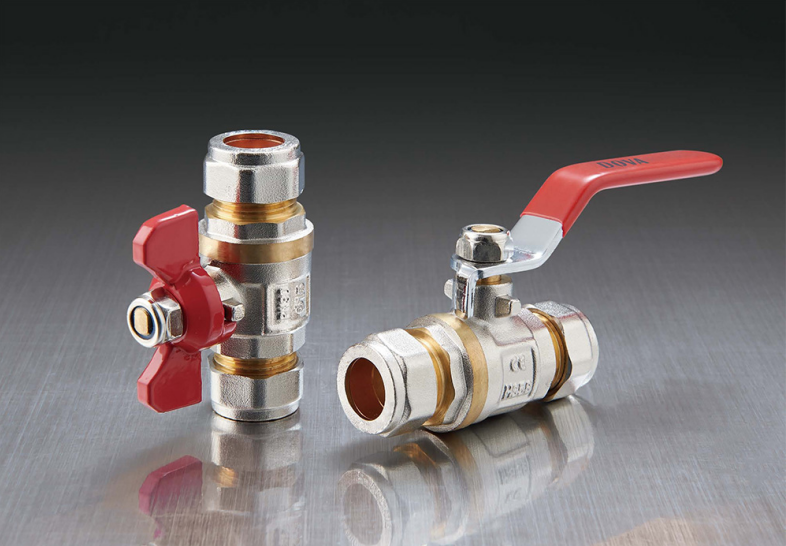
The body is hot-forged brass. Forging uses less material per unit and produces a denser grain structure than casting. A sale brass ball valve manufacturer using hot-forged bodies gets strength at lower material cost compared to machining from bar stock. The brass grade is CW617N or an equivalent lead-free alloy. The forged blank gets machined only where it matters: the threads, the ball cavity, and the stem bore. Everywhere else, the forge skin stays.
The ball is brass, polished or chrome-plated. Plating adds cost but extends seat life in hard water. A sale brass ball valve manufacturer may offer both options at different price points. The seats are PTFE, simple, cheap, effective. But the ball has to be round and the seat pockets have to be concentric. A ball that is out of round by a fraction of a millimeter will seep at the seat interface, and no amount of PTFE will fix that.
The handle is the only part the customer touches. A sale brass ball valve manufacturer uses a steel or zinc alloy handle with a plastic grip, shared across multiple valve sizes to keep tooling cost down. The handle attaches to the stem with a nut and a spring washer. The stem itself is brass, and the cross-section at the handle connection has to transmit the torque needed to turn the ball under full line pressure without the stem twisting or the handle stripping.
Threads are BSP or NPT. The difference is the thread angle and the sealing method. A sale brass ball valve manufacturer that cuts threads with sharp tooling and checks every batch with a go/no-go gauge produces valves that screw onto the pipe without tape or sealant. A thread that is undersized leaks at the connection. A thread that is oversized cracks the fitting.
Here is what a sale-price ball valve needs to deliver:
Plumbing wholesalers order by the pallet. Valves packed in bulk bins, labeled by size. A sale brass ball valve manufacturer supplies these orders with valves that are individually bagged or bulk packed. Hardware retailers need consumer packaging, a card with a barcode, a photo of the valve, and the size printed clearly. A sale brass ball valve manufacturer runs both packaging formats on the same valve body.
Export markets require certifications: WRAS, NSF, or local water authority approvals. A sale brass ball valve manufacturer that already holds these certs removes a barrier to purchase. The valve body gets stamped with the cert mark during forging or machining.
The stem drips because the O-ring took a set during storage and lost its spring-back. A sale brass ball valve manufacturer that uses properly spec'd O-ring material and an adjustable gland nut builds a valve that can be snugged tight when it finally gets installed. The handle snaps on the first turn because the stem was under-sized or the steel handle had a void at the attachment point. A proper stem cross-section and a handle with adequate material thickness prevent this.
The ball sticks in the open position. PTFE cold-flows under constant pressure from the seats. A sale brass ball valve manufacturer that loads the seats with the correct preload force minimizes this while keeping the seal.
A sale brass ball valve sells on price, but it has to turn off the water. Choose a manufacturer that forges the body, machines the ball round, and designs the stem to handle the torque. The valve will sit on the shelf, get installed, and shut off when the handle turns. That is the job.
Copyright © Zhejiang Jiafu HVAC Co., Ltd. All Rights Reserved.


 English
 русский