2026-03-13
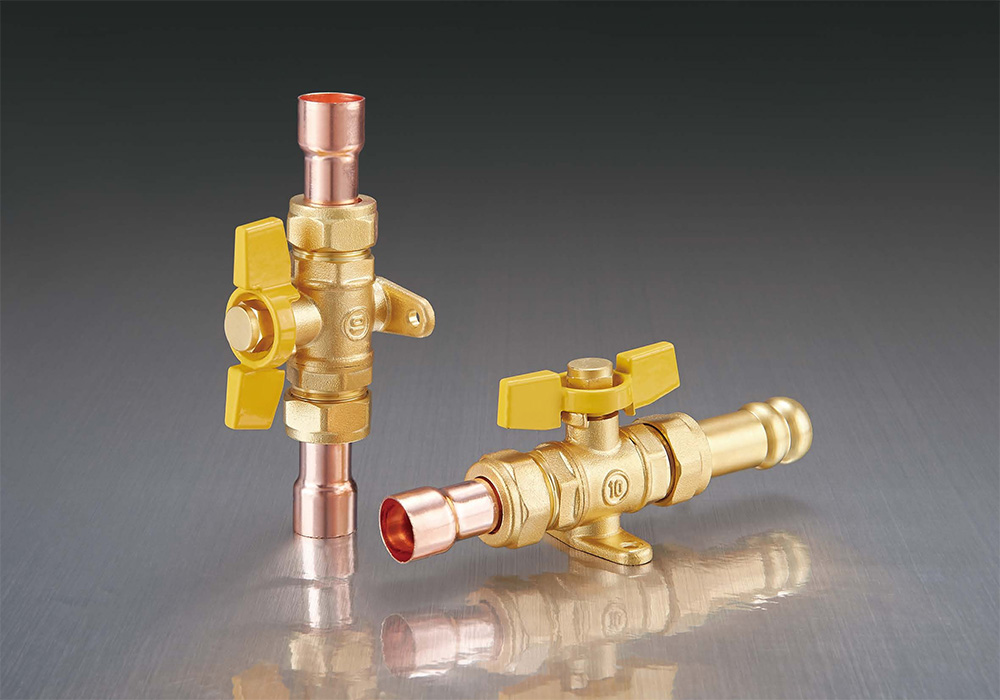
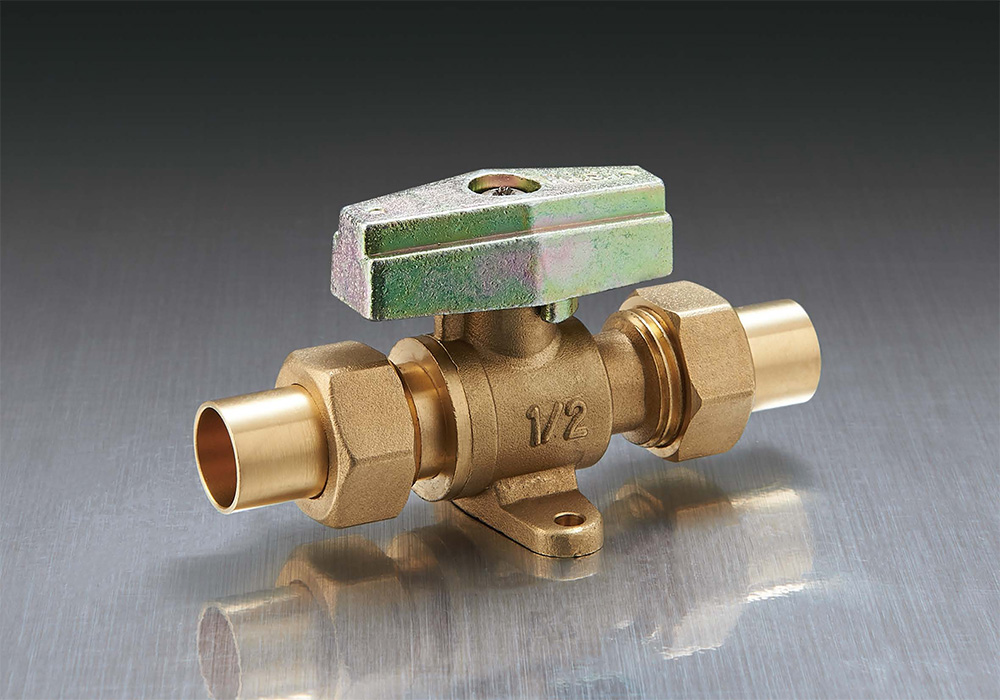
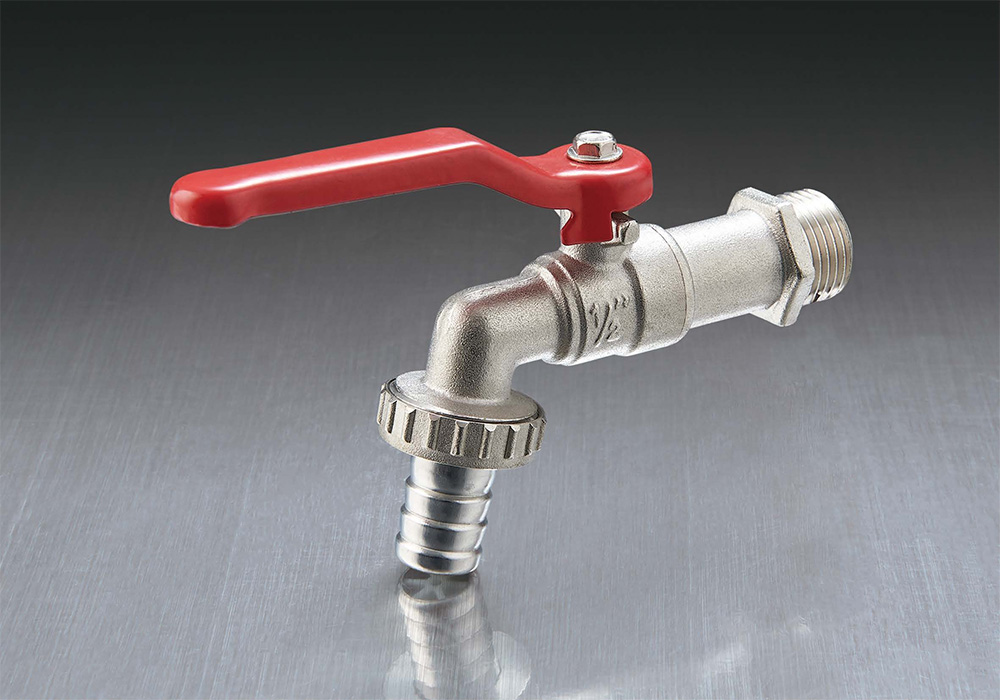
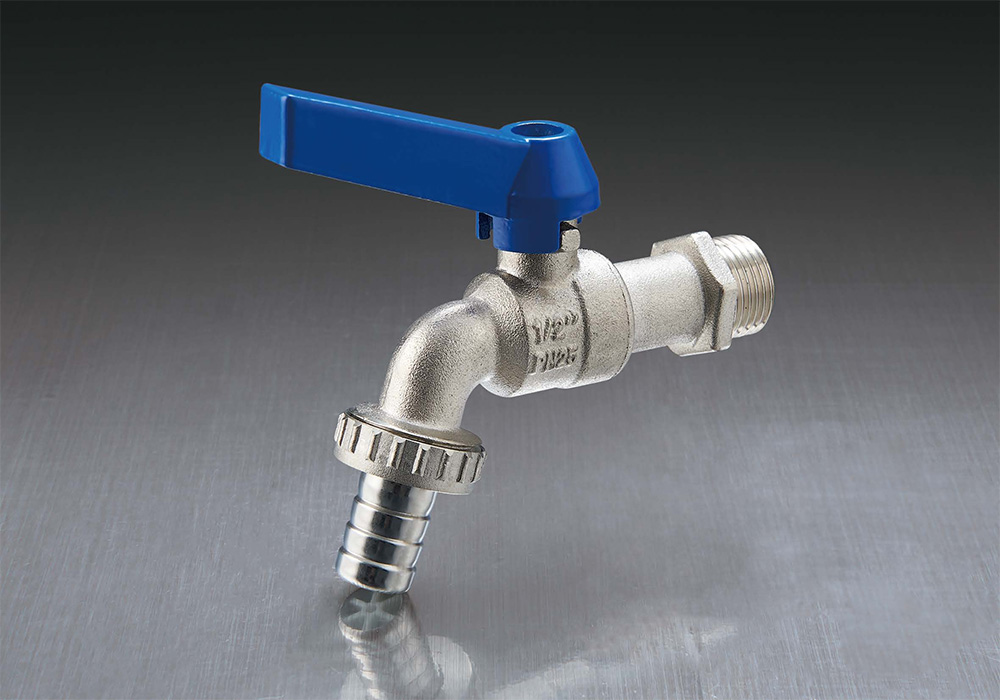
Brass strainer valves are mechanical devices designed to filter solid particles from flowing fluids while also allowing shut-off or flow regulation in certain configurations. They are commonly installed in plumbing systems, HVAC circuits, irrigation networks, and light industrial pipelines. Manufactured primarily from forged or cast brass, these valves combine corrosion resistance with structural durability under moderate pressure conditions.
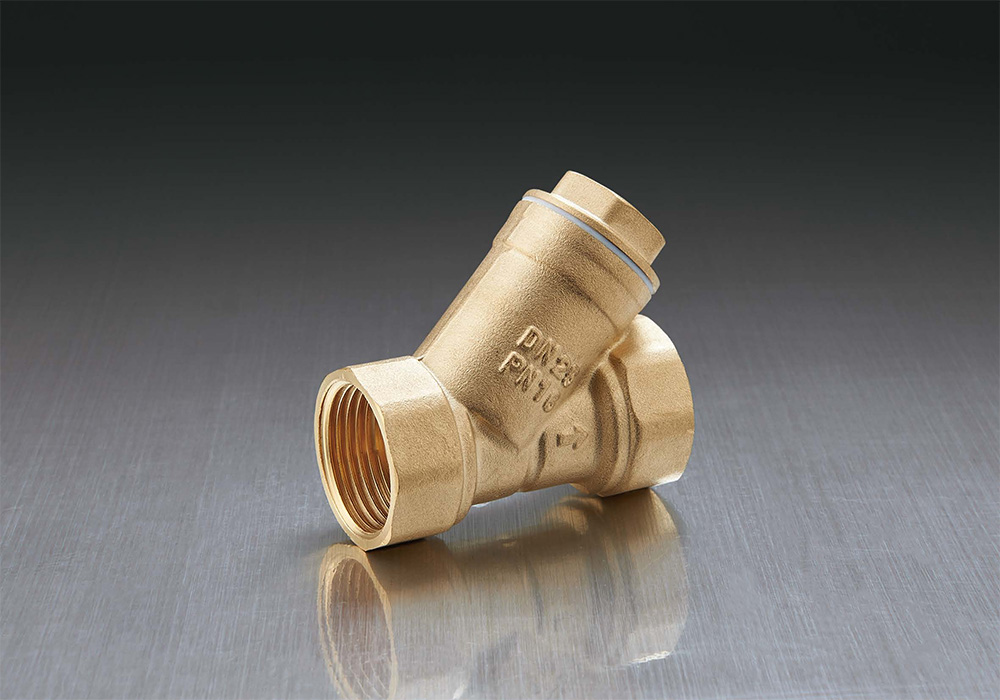
A brass strainer valve is generally installed upstream of equipment that may be sensitive to particulate contamination, such as pumps, water meters, solenoid valves, pressure regulators, or heat exchangers. The integrated strainer—often a stainless steel mesh screen—captures debris such as sand, rust flakes, scale, or installation residues before they reach downstream components.
The table below outlines common installation scenarios and their functional purpose:
|
Application Area |
Purpose of Strainer Valve |
Typical Fluid Type |
|
Residential plumbing |
Protect faucets and appliances from debris |
Potable water |
|
HVAC circulation systems |
Prevent pump and valve blockage |
Treated water |
|
Irrigation systems |
Filter sediment before sprinkler heads |
Raw or filtered water |
|
Compressed air lines |
Remove particulate contamination |
Dry compressed air |
|
Light industrial pipelines |
Protect control valves and meters |
Water or non-corrosive fluids |
In residential systems, installation is often recommended where municipal water supplies may contain residual particles from aging pipelines. In HVAC systems, strainers help maintain consistent flow rates by reducing clogging risk.
Brass strainer valves are typically rated for pressures such as PN16 or PN25 and may operate within temperature ranges of approximately -10°C to 120°C, depending on seal materials. The mesh size of the strainer screen varies, commonly ranging from 20 mesh to 80 mesh, depending on filtration requirements.
Installation is generally advisable when:
However, installation should be balanced with maintenance planning, since strainers require regular inspection and debris removal to maintain performance.
Brass is widely used in plumbing due to its machinability and resistance to general corrosion. However, not all fluids are chemically compatible with brass alloys. The following two sections examine this question in detail.
Compatibility with Water, Air, and Mild Fluids
Potable and Domestic Water Systems
Brass strainer valves are commonly used in drinking water systems. Many brass alloys comply with potable water standards when lead content is controlled according to applicable regulations. For municipal water with moderate pH levels and limited chloride concentration, brass generally performs reliably. However, in regions with aggressive water chemistry, dezincification-resistant (DZR) brass may be preferable.
Heating and Cooling Circuits
Closed-loop HVAC systems typically circulate treated water with corrosion inhibitors. Under these controlled conditions, brass strainers can function without significant material degradation. Temperature limitations should be observed, especially if elastomeric seals are involved.
Compressed Air Applications
Brass is compatible with dry compressed air. The strainer screen can capture particulate matter generated by compressors or pipeline scaling. However, moisture content should be minimized to prevent internal corrosion.
Light Oils and Non-Corrosive Fluids
Some brass strainer valves are rated for WOG (water, oil, gas) applications within specified pressure limits. Compatibility depends on oil composition and temperature. Manufacturer documentation should confirm chemical suitability before installation.
These common uses demonstrate that brass strainers are suitable for many standard service fluids, provided chemical conditions remain within normal operating parameters.
Limitations with Aggressive or Specialized Fluids
High-Chloride or Saltwater Environments
Brass is not recommended for prolonged exposure to seawater or high-chloride solutions. Chloride ions can accelerate dezincification and stress corrosion cracking, leading to structural weakening.
Acidic or Alkaline Solutions
Strong acids or high-alkalinity fluids may chemically attack brass alloys. In such systems, alternative materials such as stainless steel or specialized polymers may offer improved chemical resistance.
Steam and High-Temperature Fluids
While brass can tolerate moderate temperatures, continuous exposure to high-pressure steam may exceed its mechanical limits. Thermal expansion and seal degradation can reduce service life.
Hydrocarbon Gases or Reactive Chemicals
Certain gases and industrial chemicals may react with copper-based alloys. For applications involving reactive compounds, compatibility testing and adherence to industrial material standards are required.
These limitations indicate that brass strainers should not be assumed universally compatible. Material selection must account for chemical composition, operating temperature, and pressure conditions.
Installation and Operational Considerations
Beyond fluid compatibility, additional factors influence whether a brass strainer valve is appropriate:
Maintenance Accessibility: Strainers accumulate debris and must be cleaned periodically. Systems without convenient access may experience reduced efficiency over time.
Pressure Drop Impact: The presence of a mesh screen introduces resistance to flow. Designers should calculate allowable pressure drop in high-flow systems.
Thread Standards and Sealing: BSP, NPT, or metric threads must match the pipeline configuration to prevent leakage.
In regulated environments, such as potable water systems, compliance with local plumbing codes and material certification standards is necessary before installation.
A brass strainer valve is typically used when particulate contamination could affect downstream equipment or system efficiency. It serves as a protective component in residential plumbing, HVAC circuits, irrigation systems, and light industrial pipelines. However, suitability depends on fluid chemistry, pressure rating, and operating temperature.
Brass strainers are compatible with potable water, treated heating fluids, compressed air, and certain light oils under defined conditions. They are less appropriate for high-chloride environments, strong chemical solutions, steam systems, or reactive industrial fluids. Careful evaluation of system parameters, maintenance accessibility, and material compatibility ensures that the valve performs its intended filtration function without compromising structural integrity.
Through informed selection and proper installation, brass strainer valves can contribute to stable and maintainable fluid control systems across a range of applications.
Copyright © Zhejiang Jiafu HVAC Co., Ltd. All Rights Reserved.


 English
 русский