2026-03-06
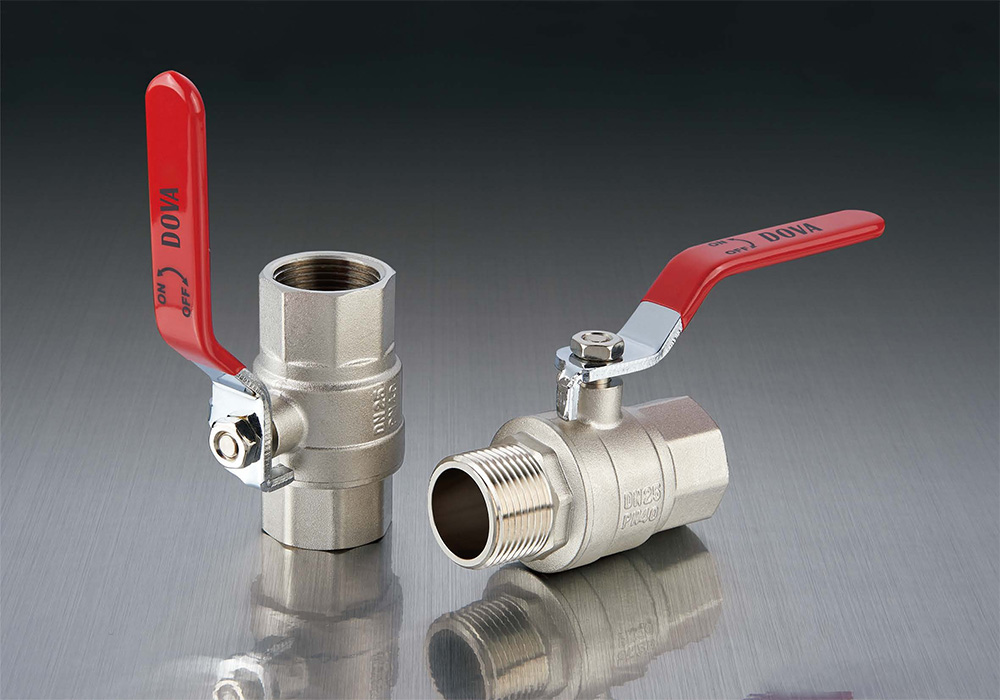
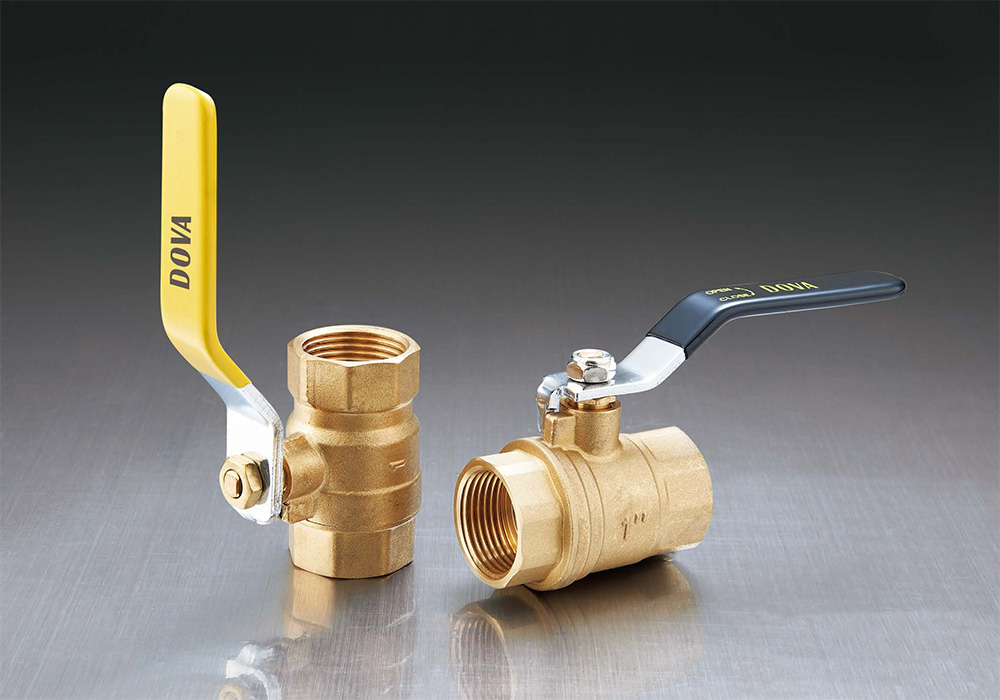
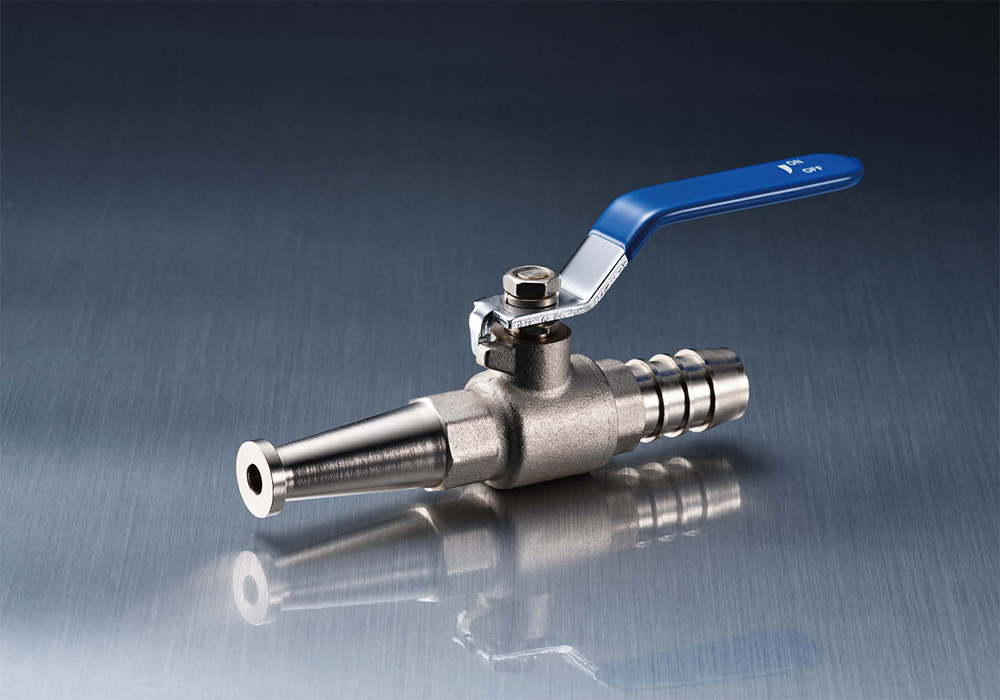
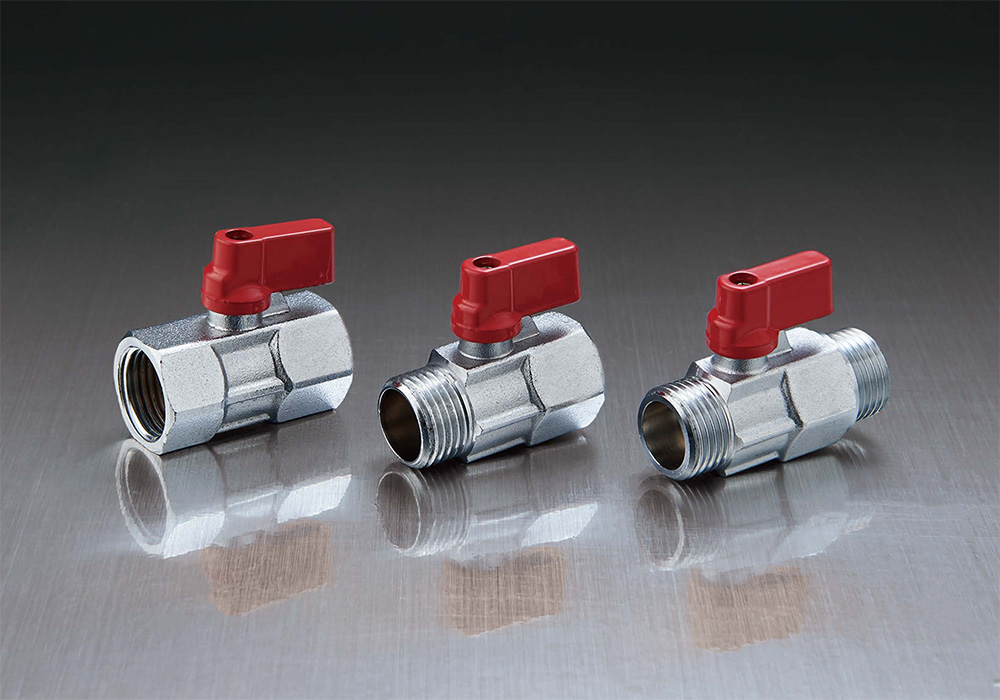
Brass mini ball valves are compact shut-off devices commonly used in plumbing systems, HVAC lines, air compressors, and small-scale fluid control installations. They are typically manufactured from forged or machined brass and operate through a quarter-turn ball mechanism. Their size and pressure rating must match system requirements to ensure safe and stable operation. At the same time, users should understand possible performance issues and proper repair procedures to extend service life.
Brass mini ball valves are available in standardized nominal diameters and pressure classes. Selection depends on pipe specification, flow demand, and system pressure.
Common Nominal Sizes (DN / Inch):
1/8" (DN6) – Used in small pneumatic lines and compact water systems
1/4" (DN8) – Frequently installed in appliance connections and test lines
3/8" (DN10) – Common for light-duty water supply branches
1/2" (DN15) – Widely used in residential plumbing
3/4" (DN20) – Applied in moderate-flow distribution systems
1" (DN25) – Used where higher flow capacity is required
Typical Pressure Ratings:
Working temperature range: usually -10°C to 120°C, depending on seat material (often PTFE)
Pressure ratings may vary depending on manufacturing standards such as ISO, EN, or ANSI guidelines. Thread types also differ, including BSP, NPT, or metric threads, which must match the pipeline specification.
When selecting a valve, both nominal diameter and maximum working pressure should align with the design parameters of the fluid system to prevent leakage or mechanical stress.
Although brass mini ball valves are structurally simple, certain operational and material-related issues may arise.
Seal Wear and Leakage
The internal ball is typically sealed by PTFE seats. Over time, frequent operation or exposure to high temperatures may cause seat wear. This can lead to internal leakage even when the valve is in the closed position.
Corrosion and Dezincification
Brass is generally corrosion-resistant, but in certain water conditions—particularly those with high chloride content—dezincification may occur. This process weakens the material and can result in surface cracking or leakage.
Handle or Stem Failure
The stem connects the handle to the internal ball. Excessive torque or improper installation can damage the stem. In some cases, packing seals around the stem may loosen, leading to minor external leakage.
Mineral or Debris Accumulation
In hard water systems, mineral deposits can accumulate inside the valve body. This buildup may restrict movement, causing difficulty when turning the handle.
Improper Installation Stress
Over-tightening threaded connections can distort the valve body or damage threads. Misalignment in piping may also introduce mechanical stress that affects long-term sealing performance.
Routine inspection and appropriate material selection help reduce the likelihood of these issues.
Step 1: Shut Off the Main Supply
Before servicing, close the upstream water or gas supply. Relieve system pressure by opening a downstream outlet.
Step 2: Inspect for Minor Stem Leakage
If leakage appears around the handle, gently tighten the packing nut using a wrench. Avoid excessive torque to prevent stem damage.
Step 3: Disassemble if Necessary
For repairable models, remove the valve from the pipeline. Unscrew end connections and carefully open the valve body to inspect PTFE seats and the ball surface.
Step 4: Replace Worn Components
If the seats are worn or the ball is scratched, replace them with compatible spare parts. Ensure the replacement materials match the original temperature and pressure rating.
Step 5: Evaluate Full Replacement Conditions
If the valve body shows signs of cracking, severe corrosion, or thread damage, replacement is recommended rather than repair.
Step 6: Install the New Valve Properly
Apply appropriate thread sealant or PTFE tape to male threads. Tighten evenly without overloading the body. Ensure alignment with the pipeline to prevent mechanical stress.
Step 7: Test Under Pressure
Gradually restore system pressure and check for external or internal leakage. Operate the valve several times to confirm smooth rotation.
Following these structured procedures helps maintain safe and reliable system performance.
Brass mini ball valves are available in various nominal sizes and pressure classes to suit residential and light industrial systems. While they are generally durable, potential issues such as seal wear, corrosion, and installation stress can affect performance. Proper sizing, regular inspection, and careful repair or replacement procedures contribute to consistent operation within the valve’s rated pressure and temperature limits.
Copyright © Zhejiang Jiafu HVAC Co., Ltd. All Rights Reserved.


 English
 русский