2026-02-24
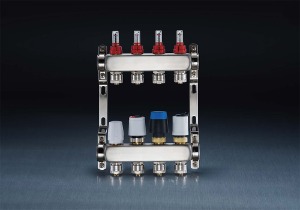
Manifolds are critical components in various piping and fluid systems, as they distribute fluids or gases from one source to multiple destinations. They are used in applications ranging from HVAC systems to automotive and industrial setups. Among the various materials used to make manifolds, stainless steel stands out for its strength, durability, and resistance to corrosion. The 1/2 inch stainless steel manifold, a common size used in many applications, offers unique advantages compared to other types of manifolds.
Material Composition and Durability
The primary difference between the 1/2 inch stainless steel manifold and other types is the material used in its construction. Stainless steel, particularly 304 or 316 grades, is known for its exceptional strength and resistance to corrosion, making it ideal for use in demanding environments where exposure to moisture, chemicals, or high temperatures is common.
In contrast, other manifolds may be made from materials like brass, plastic, or copper. While brass manifolds offer some corrosion resistance, they are generally not as durable as stainless steel, especially in high-temperature or chemically aggressive environments. Plastic manifolds, although cost-effective, may not withstand high pressures or temperatures, limiting their application to low-pressure systems. Copper manifolds provide good thermal conductivity but may be more susceptible to corrosion in certain environments compared to stainless steel.
The corrosion resistance and durability of stainless steel manifolds allow them to maintain their integrity over extended periods, reducing the need for frequent replacements and ensuring long-term reliability in critical systems.
Pressure Handling Capacity and Application Suitability
Another significant difference between 1/2 inch stainless steel manifolds and other manifolds is their pressure handling capacity. Stainless steel is a high-strength material that can withstand higher pressure loads compared to plastic or brass manifolds. This makes the 1/2 inch stainless steel manifold ideal for systems that involve high-pressure fluids or gases, such as in hydraulic systems, gas distribution networks, and high-pressure water systems.
Brass manifolds, while suitable for medium-pressure applications, may not be as reliable under high-pressure conditions. Plastic manifolds are generally limited to low-pressure systems and cannot handle the pressure fluctuations that might occur in more demanding applications. Copper manifolds, on the other hand, are more suitable for medium-pressure applications but fall short when dealing with high-pressure systems compared to stainless steel.
The ability of the 1/2 inch stainless steel manifold to handle higher pressures makes it a versatile option for various industries, including manufacturing, automotive, and HVAC, where robust performance is required.
Corrosion Resistance and Longevity
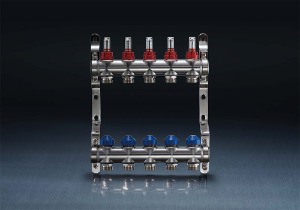
One of the compelling features of the 1/2 inch stainless steel manifold is its exceptional resistance to corrosion. Stainless steel, especially the 304 and 316 grades, provides a high level of resistance to rust, oxidation, and corrosion from chemicals and environmental factors. This is particularly beneficial in systems exposed to moisture or chemicals, such as water treatment plants, plumbing systems, and industrial fluid processing.
The corrosion resistance of stainless steel ensures that the manifold maintains its structural integrity over time, even in harsh conditions. This results in extended service life, reducing the frequency of replacements and maintenance costs. Systems using stainless steel manifolds experience fewer operational disruptions, improved reliability and cost-efficiency in the long term.
High-Pressure Handling
The 1/2 inch stainless steel manifold excels in high-pressure applications. Its robust construction allows it to withstand significant pressure loads without compromising performance. This is crucial in industries such as automotive, hydraulic systems, and industrial manufacturing, where pressurized fluids or gases are commonly used.
Stainless steel's strength allows the manifold to maintain a stable flow rate and minimize the risk of leaks or bursts under pressure. The 1/2 inch size makes it ideal for compact systems where space is a constraint but high performance is still required. The ability to handle high pressure ensures that these manifolds can be used in a wide range of industries, including those that require precise and reliable fluid distribution.
Versatility and Application Flexibility
The 1/2 inch stainless steel manifold offers versatility in its applications. It is commonly used in HVAC systems, water treatment plants, gas distribution systems, and process industries. Due to its resistance to high temperatures and chemicals, it is an good choice for systems involving hot water, steam, or aggressive chemicals.
In HVAC systems, the manifold is used to distribute coolant or refrigerants, ensuring efficient heat exchange across the system. In water treatment, it can manage the distribution of chemicals or water to various treatment stages. The 1/2 inch size makes it suitable for compact installations, while its durability ensures consistent performance in various environments.
Easy Installation and Maintenance
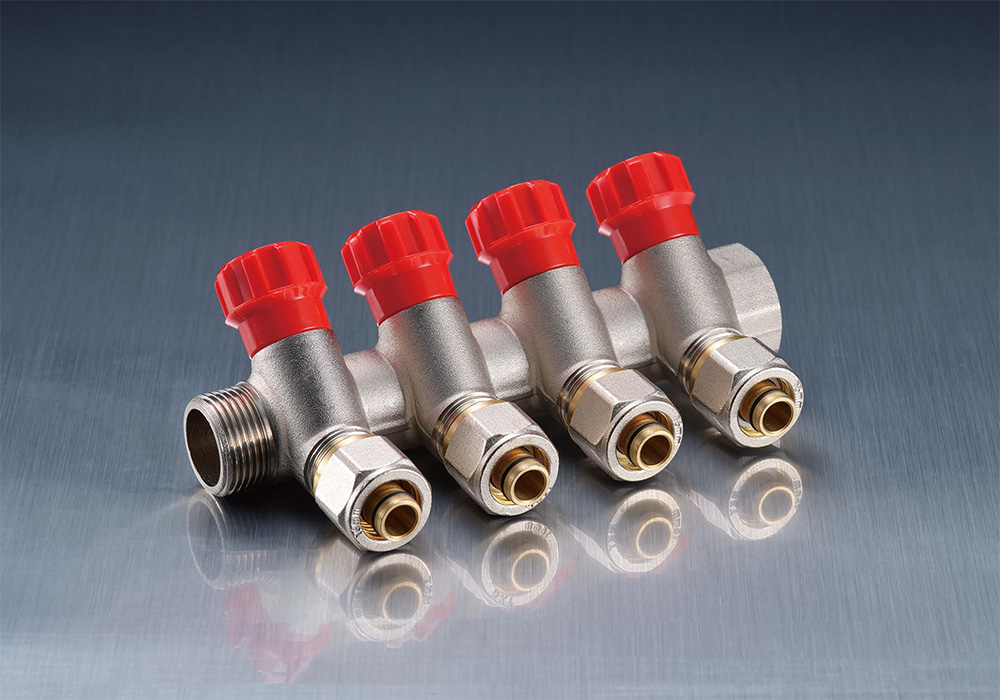
The 1/2 inch stainless steel manifold is also known for its ease of installation. It typically features threaded connections that allow for quick and secure attachment to piping systems. The threaded design reduces the need for welding or complex fittings, making installation faster and more cost-effective.
Maintenance is also straightforward due to the material's durability. Stainless steel's resistance to corrosion means that the manifold is less likely to become clogged or damaged by environmental factors, which reduces the frequency of repairs. Furthermore, stainless steel is compatible with various sealing materials, ensuring tight, leak-proof connections that reduce the risk of system failures.
Strength and Durability
While 1/2 inch stainless steel manifolds are known for their impressive strength, brass and copper manifolds are often considered when cost is a primary concern. Brass manifolds are less expensive but offer limited pressure handling capacity compared to stainless steel. Copper manifolds are similarly priced but are more prone to corrosion, especially in systems with acidic or alkaline fluids.
Plastic manifolds are much more affordable and suitable for low-pressure applications. However, they do not match the strength, pressure handling, or temperature tolerance of stainless steel. For systems that require higher performance, stainless steel manifolds are the clear choice due to their material properties.
Pressure Handling and Applications
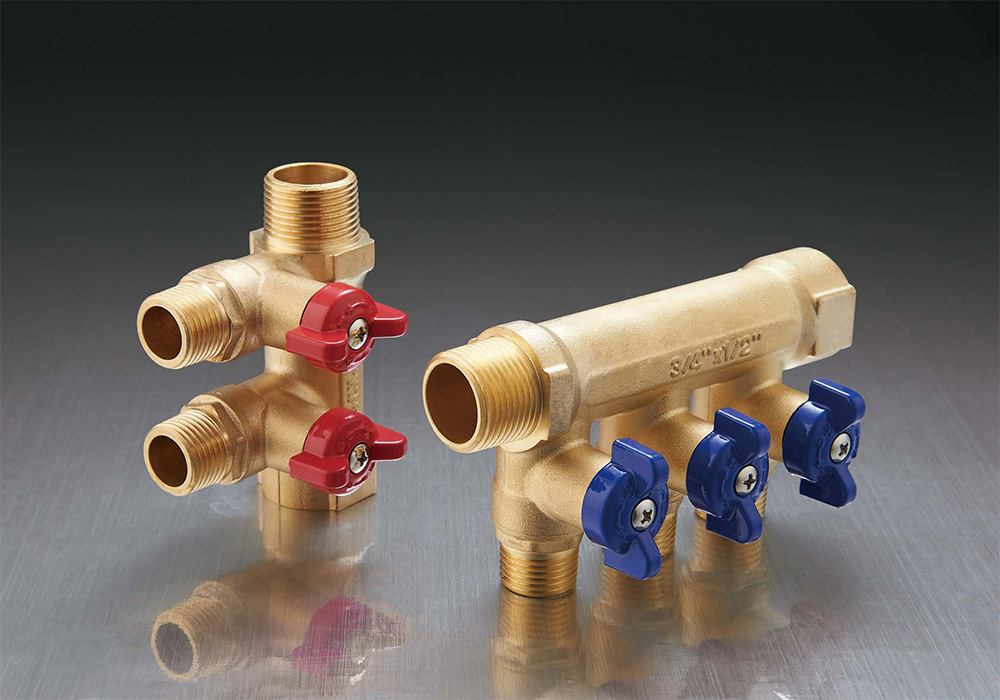
Stainless steel manifolds, especially the 1/2 inch version, are well-suited for applications involving high-pressure systems, such as in industrial machinery and automotive applications. Brass and copper manifolds are less effective in such scenarios and are typically reserved for medium to low-pressure environments. Plastic manifolds are primarily used in low-pressure settings, where the cost-effectiveness outweighs the need for handling high pressures.
Copyright © Zhejiang Jiafu HVAC Co., Ltd. All Rights Reserved.


 English
 русский