2026-02-20
One of the main drawbacks of a 1 inch brass strainer valve is flow resistance. Because the strainer element restricts the flow path, pressure drop increases as fluid passes through the mesh. In systems with high flow demand or limited pump capacity, this pressure loss can reduce overall efficiency.
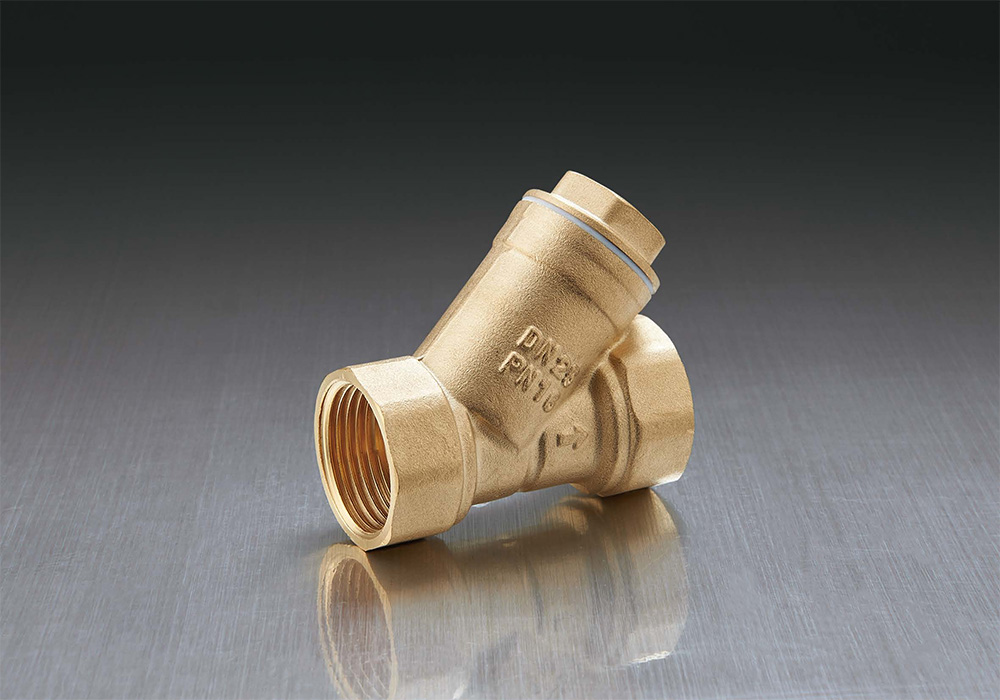
Maintenance requirements are another concern. Strainer valves require regular inspection and cleaning to prevent clogging. In applications with dirty water or particulate-laden fluids, the strainer can become blocked quickly. If not cleaned in time, blockage may bring about reduced flow, increased upstream pressure, or even damage to connected equipment.
Size limitation is also relevant. A 1 inch strainer valve is suitable for small to medium flow rates, but it may not be appropriate for larger systems. Attempting to use it in high-volume applications can bring about excessive wear or operational inefficiency.
Material limitations should also be considered. While brass offers good corrosion resistance, it may not be suitable for all chemical environments. Certain aggressive fluids or high-temperature applications can shorten service life. Additionally, brass strainers may be heavier and more expensive than plastic alternatives, which can be a disadvantage in cost-sensitive projects.
Correct understanding and proper application help users maximize the benefits of a 1 inch brass strainer valve.
Recognize its primary function
The valve is designed to remove solid particles from fluids, not to regulate flow continuously.
Select appropriate mesh size
Mesh selection should balance filtration needs and acceptable pressure drop.
Install in correct orientation
Proper positioning ensures debris collects in the strainer chamber for easy removal.
Monitor pressure differential
A noticeable pressure drop often indicates clogging and the need for cleaning.
Schedule routine maintenance
Regular inspection and cleaning prevent blockage and extend valve service life.
Confirm material compatibility
Ensure brass is suitable for the fluid type and operating temperature.
By following these guidelines, users can reduce performance issues and maintain stable system operation.
Application Scope and System Compatibility
The 1 inch brass strainer valve is well suited for residential water supply lines, HVAC systems, irrigation setups, and light industrial processes. In these applications, it provides effective protection for sensitive downstream components without excessive system complexity.
However, system compatibility must be evaluated carefully. In high-flow or continuous-duty systems, the pressure drop introduced by the strainer can become significant. In such cases, larger strainers or alternative filtration solutions may be more appropriate. Understanding the system's flow rate, pressure requirements, and contamination level helps ensure proper strainer selection.
Maintenance, Durability, and Long-Term Use
Durability is one of the advantages of brass strainer valves, but long-term performance depends on maintenance practices. Brass resists corrosion in water and many non-aggressive fluids, contributing to stable operation. However, internal components such as mesh screens are subject to wear and fouling.
Regular maintenance includes removing accumulated debris, inspecting seals, and checking for leaks. In environments with frequent contamination, maintenance intervals should be shortened. Neglecting maintenance can reduce filtration efficiency and increase stress on upstream components.
When selected correctly and maintained properly, a 1 inch brass strainer valve can provide reliable filtration and protection over many years of service.
While reliable, the 1-inch brass strainer valve has specific drawbacks. Its primary limitation is a finite debris-holding capacity; the internal strainer basket can become clogged, progressively restricting water flow, which requires regular manual inspection and cleaning. For systems with very fine particulate, the mesh size of a standard strainer may be insufficient, allowing smaller abrasives to pass through and potentially damage sensitive equipment downstream.
Although brass is generally corrosion-resistant, it is not suitable for all media. It can be susceptible to dezincification (selective leaching of zinc) in water with specific pH imbalances, and it is not recommended for use with certain chemicals, acids, or high-purity oxygen systems. The valve also introduces a measurable pressure drop into the line, an important factor in pump-driven systems. Finally, in applications requiring continuous flow, the need to shut off the system to clean the strainer is a notable operational inconvenience compared to more complex self-cleaning filters.
Correct use of this valve hinges on recognizing it as a protective maintenance device, not a set-and-forget component.
A Guardian for Mechanical Systems
The fitting role for a 1-inch brass strainer valve is as a line of defense. In residential, commercial, and light industrial settings, it excels at protecting costly mechanical equipment from damage caused by pipeline scale, sediment, or installation debris. Installed before a circulation pump, it prevents particles from jamming the impeller. Placed ahead of a solenoid valve or thermostat, it ensures that grit does not interfere with the sealing mechanism. By trapping these solids, the strainer valve enhances system reliability, reduces maintenance costs on downstream components, and extends the overall lifespan of the installation.
Installation and Maintenance Nuances
Proper installation goes beyond just threading it into the line. It is crucial to allow sufficient clearance below the strainer body to remove the basket for cleaning. Supporting the pipeline on both sides of the valve prevents stress on the threads. During maintenance, cleaning the basket thoroughly and inspecting the brass body for signs of wear or dezincification—a mottled, reddish appearance—is key. If the mesh is damaged, replacing the entire basket is safer than attempting repair. After reassembly, checking for leaks at the cover gasket is a final, vital step to ensure the system returns to proper, protected operation.
Copyright © Zhejiang Jiafu HVAC Co., Ltd. All Rights Reserved.


 English
 русский