2026-02-13
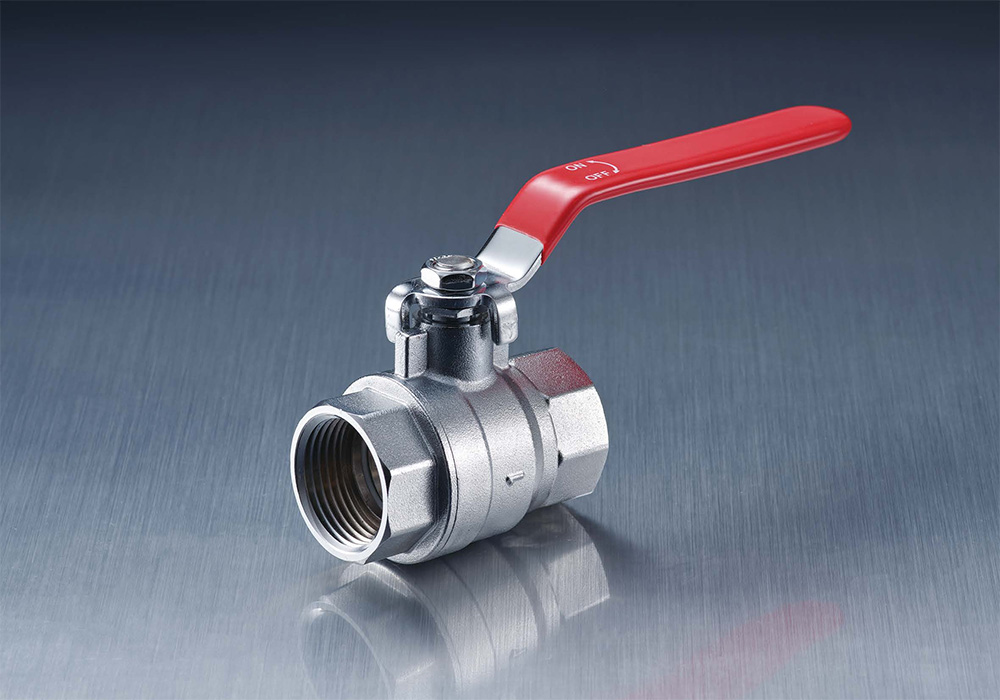
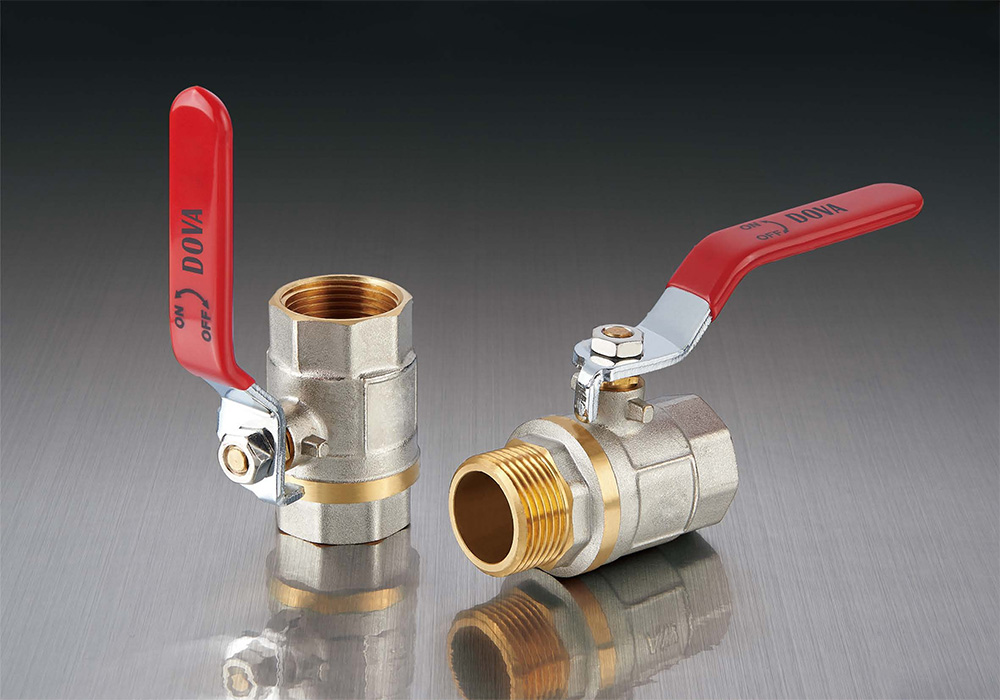
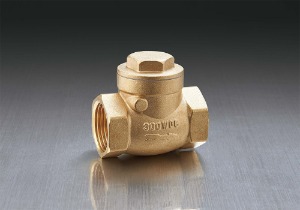
NPT brass check valves are essential components used in fluid and gas systems to ensure that the flow of material moves in one direction only. These valves are designed to automatically prevent backflow, ensuring that liquids or gases do not return into the system after flowing through the pipe or hose. Brass, known for its durability and corrosion resistance, is a popular material for making these check valves.
Durability and Corrosion Resistance
One of the significant advantages of NPT brass check valves is their durability, especially when compared to valves made from other materials such as plastic or steel. Brass is an alloy primarily composed of copper and zinc, which offers a balance of strength and corrosion resistance. This makes brass check valves ideal for systems that handle water, oil, or gas, where long-term performance and reliability are crucial.
Brass check valves are particularly suited for applications where exposure to harsh environmental conditions is a concern. For example, they perform well in outdoor installations or systems that involve exposure to moisture or chemicals. The corrosion-resistant nature of brass prevents rust and pitting, which can otherwise compromise the valve's integrity and performance over time. This makes brass check valves highly reliable, even in systems where cleanliness and operational longevity are important.
Moreover, brass check valves can withstand high temperatures, which is vital in many industrial applications. Whether used in heating, cooling, or pressurized systems, these valves maintain their integrity under a wide range of operating conditions. Unlike valves made from materials that might degrade or weaken over time, brass check valves can provide years of reliable service.
Ease of Installation and Maintenance
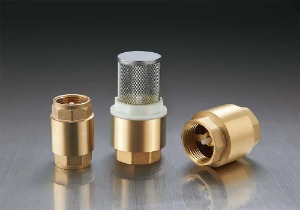
Another key advantage of NPT brass check valves is their ease of installation and maintenance. The NPT (National Pipe Thread) threaded design allows for simple installation into systems that use threaded pipes. This feature eliminates the need for welding or complicated fittings, which can be time-consuming and costly. The threaded connection ensures a secure and leak-free seal between the valve and the piping system.
NPT brass check valves are available in various sizes, making them adaptable to different pipe diameters. Whether for residential, commercial, or industrial applications, they can be easily integrated into new or existing systems. Furthermore, their compact size and straightforward design make them less likely to interfere with the overall system layout, allowing for more flexibility in installation.
As for maintenance, brass check valves generally require less frequent attention compared to other types of valves. Due to their corrosion-resistant properties, they are less prone to clogging or fouling, meaning that they typically require less cleaning and upkeep. Regular inspection is still recommended, but the maintenance process is often straightforward, and any required repairs can usually be completed without much difficulty.
Performance Across Various Applications
NPT brass check valves are versatile and can perform effectively in a wide range of applications. These valves are commonly used in fluid systems where backflow prevention is essential. For example, in water supply systems, they ensure that water flows in one direction, preventing contamination or damage to the system caused by backflow. In HVAC systems, brass check valves can regulate the flow of air and other gases, ensuring the system operates efficiently without reverse flow.
The versatility of brass check valves extends to industries such as agriculture, manufacturing, automotive, and plumbing. In agricultural applications, they are used to maintain proper water flow in irrigation systems, preventing backflow that could introduce contaminants into the system. In manufacturing, they help manage the flow of oil, chemicals, and other fluids in machines, preventing damage and improving system longevity.
Brass check valves also perform well in low-pressure systems, as well as high-pressure environments. Their ability to function in various operating conditions, from simple residential setups to complex industrial systems, makes them a go-to choice for a wide array of users. Whether handling water, oil, steam, or gas, NPT brass check valves help ensure smooth, one-way flow and prevent any reverse movement that could disrupt system operation.
Cost-Effectiveness and Value
While the initial cost of brass check valves may be higher than valves made from other materials like plastic, the long-term value they provide is significant. Brass is a durable material, and NPT brass check valves offer a high level of performance and longevity. Their ability to resist corrosion and withstand harsh conditions translates into fewer replacements and less frequent maintenance, cost savings over the lifetime of the valve.
Material Integrity and Environmental Resistance
The choice of brass as the primary material for these check valves is the cornerstone of their utility. Brass, an alloy primarily of copper and zinc, offers a unique set of properties that align exceptionally well with the demands of fluid control.
Unlike ferrous metals, brass possesses a high inherent resistance to corrosion, particularly in water-based applications. This resistance prevents the rapid oxidation and rust that can degrade valve performance, contaminate the medium, and bring about system failure. This makes brass check valves highly suitable for domestic water lines, irrigation systems, and marine applications where exposure to moisture is constant.
Furthermore, brass demonstrates good antimicrobial properties, a feature derived from its copper content. Studies, including those cited by the U.S. Environmental Protection Agency, have recognized copper alloys' ability to eliminate a wide range of harmful bacteria on contact. While not a substitute for proper water treatment, this characteristic provides an additional layer of protection in potable water systems. The material is also resilient across a wide temperature range, maintaining its structural integrity and seal effectiveness in both hot and cold service conditions commonly encountered in residential and commercial settings.
Mechanical Simplicity and Reliable Operation
The internal mechanism of a typical NPT brass check valve is elegantly straightforward, often consisting of a spring-assisted disc, ball, or swing mechanism within a machined body. This simplicity is a direct contributor to its reliability and low maintenance profile.
The valve's operation is entirely automatic and dependent on line pressure, requiring no external power source or manual intervention. When forward pressure exceeds the spring force or the weight of the closure mechanism, the valve opens with minimal resistance. When flow stops or reverses, the spring or backpressure immediately seats the closure element, creating a positive seal against the valve body. This fail-safe design ensures continuous protection against backflow.
This mechanical simplicity translates to fewer potential points of failure compared to more complex valve types. There are no electrical solenoids to short out, no pneumatic lines to leak, and no intricate linkages to wear. The robust construction allows the valve to handle repeated cycling and pressure surges with consistent performance, contributing to long service life with minimal attention.
Standardized Connectivity and Ease of Installation
The National Pipe Taper (NPT) threading featured on these valves represents a critical advantage in system integration and installer familiarity. NPT is a long-established and widely adopted thread standard in North America for creating pressure-tight seals on pipe and fittings.
This standardization ensures broad compatibility with a vast ecosystem of existing pipes, fittings, pumps, and equipment. For engineers and installers, specifying an NPT-threaded valve eliminates compatibility concerns and simplifies the procurement process. The threaded design itself facilitates installation and removal, allowing the valve to be easily integrated into a line or replaced during maintenance without requiring specialized welding equipment or solvent welding as with glued PVC systems.
Proper installation involves applying a suitable pipe thread sealant or tape to the male threads, which fills any minor imperfections and ensures a leak-free, pressure-tight joint as the tapered threads wedge together. This combination of universal standard and straightforward installation procedure reduces labor time, lowers the required skill threshold, and enhances overall system modularity.
Economic Efficiency and Long-Term Value
From a total cost of ownership perspective, the NPT brass check valve presents a compelling economic argument that balances initial investment with enduring performance. While the upfront cost may be higher than valves made from certain polymers, this is offset by several factors contributing to long-term value.
The durability and corrosion resistance of brass directly reduce the frequency of replacement. A properly installed brass check valve can often last for decades, even in demanding environments, whereas plastic alternatives may become brittle, deform under heat, or degrade with UV exposure. This longevity minimizes material waste, system downtime, and labor costs associated with repeated replacements.
The valve's role in preventing backflow protects more expensive downstream equipment, such as pumps, water heaters, and filtration systems, from damage caused by water hammer or reverse flow. By safeguarding critical system components, a small check valve prevents disproportionately large repair or replacement costs. Its reliability also reduces the risk of property damage from leaks or contamination incidents, offering an inexpensive form of system insurance. Therefore, the true economic advantage lies not in the purchase price, but in the valve's contribution to system integrity, safety, and operational longevity over many years of service.
Copyright © Zhejiang Jiafu HVAC Co., Ltd. All Rights Reserved.


 English
 русский