2026-02-06
Reliability is one of the important public concerns because valve failure can result in leaks, water damage, or system downtime. Brass mini ball valves are generally considered reliable due to their simple internal structure. The ball-and-seat design provides a tight shutoff when properly manufactured and installed.
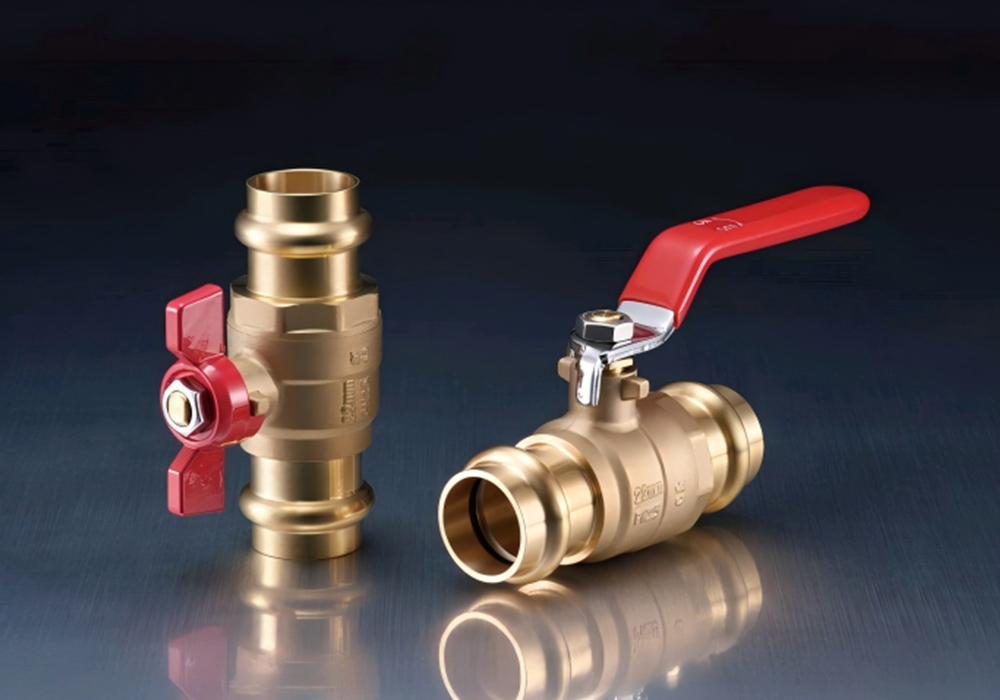
The reliability of a 3/4 inch brass mini ball valve depends on material quality and manufacturing standards. Forged brass bodies typically offer better strength and pressure resistance than cast alternatives. Internal components such as the ball, stem, and seals must be precisely machined to ensure smooth operation and effective sealing.
However, reliability can be affected by operating conditions. Continuous exposure to high pressure, elevated temperatures, or aggressive media can accelerate wear on seals. In normal residential and light commercial applications, these valves often provide long service life when operated within rated limits.
Safety in potable water applications is a widely discussed public topic, particularly concerning material composition and potential health risks. Brass valves are commonly used in drinking water systems because brass offers good corrosion resistance and mechanical stability.
Key safety considerations include:
Lead content compliance: Modern brass valves for potable water are typically manufactured to meet low-lead or lead-free standards required by regulations in many regions.
Corrosion behavior: Brass resists rust and has predictable corrosion characteristics in typical water conditions.
Seal materials: Seats and stem seals are often made from PTFE or similar materials that are suitable for water contact.
When certified products are selected and installed correctly, 3/4 inch brass mini ball valves are generally considered suitable for drinking water use. Public concern is addressed by verifying product certification and compliance with local plumbing codes.
The compact “mini” design raises questions about whether a smaller valve compromises flow or durability. In practice, a 3/4 inch brass mini ball valve is designed to match standard pipe dimensions while reducing overall body size.
Performance-related factors include:
Flow capacity: Many mini ball valves have slightly reduced internal bore compared with full-port valves, which can increase flow resistance in high-demand systems.
Pressure rating: Mini valves are typically rated for standard residential and light industrial pressures, but may not be suitable for high-pressure industrial pipelines.
Ease of installation: Smaller size allows installation in confined spaces where standard valves may not fit.
For household and auxiliary systems, the performance trade-off is acceptable. Public concern usually arises when mini valves are applied outside their intended scope, such as in high-flow or high-pressure systems.
Durability and environmental impact are increasingly important public considerations. Brass is valued for its long service life and recyclability. A durable valve reduces the need for frequent replacement, which conserves materials and labor.
From a durability standpoint, brass mini ball valves resist corrosion from water and air, making them suitable for long-term use. Stem seals and seats are wear components, but their replacement cycles are generally long in normal applications.
In terms of environmental impact, brass is a recyclable metal, and many valves are manufactured with sustainability considerations in mind. While the valve itself is a small component, its reliability contributes to leak prevention, which supports water conservation efforts.
Material Safety and Drinking Water Concerns
A primary public concern regarding any plumbing component is its impact on water quality and health. Brass, an alloy of copper and zinc, has long been trusted for water conveyance. The central question today involves the potential for lead leaching.
Historically, many brass alloys contained small amounts of bring about improve machinability. In response to health concerns, regulations such as the U.S. Safe Drinking Water Act's Reduction of Lead in Drinking Water Act (2011) now mandate that brass fixtures used for potable water must be “lead-free.” This is legally defined as containing not more than 0.25% lead weighted across wetted surfaces. A modern, compliant 3/4-inch brass mini ball valve intended for drinking water will adhere to this “no-lead” or “low-lead” standard, often using alternative elements like bismuth or silicon. Consumers are advised to look for certifications like NSF/ANSI 61 or NSF/ANSI 372 to ensure compliance and safety.
The pandemic era highlighted the fragility of global supply chains, affecting products ranging from microchips to plumbing supplies. Brass valves are no exception. Their production depends on the availability of copper and zinc, commodities subject to international market volatility, geopolitical tensions, and logistical disruptions.
Dependence on Imports: A significant portion of brass fittings and valves sold in markets like North America and Europe are manufactured overseas. Disruptions in shipping or factory output can bring about shortages, delayed projects, and inflated prices.
The Reshoring Debate: This vulnerability has spurred a discussion about reshoring critical manufacturing, including basic infrastructure components. Supporting domestic manufacturers of items like brass valves is framed as an issue of economic security and job creation, ensuring a more reliable supply for construction and repair industries.
Environmental Impact and Resource Sustainability
The environmental footprint of common materials is under increasing scrutiny. The production of brass, from mining copper and zinc to smelting and alloying, is energy-intensive and generates significant emissions and waste. Consequently, the lifecycle of a brass valve raises questions about sustainability.
Key considerations include:
Recyclability: Brass boasts an good sustainability credential: it is nearly recyclable without loss of quality. Recycled brass (often from scrap) requires far less energy to process than virgin ore. A responsible manufacturer will incorporate a high percentage of post-consumer recycled content.
Longevity and Durability: The decades-long service life of a quality brass valve is itself an environmental benefit, reducing the frequency of replacement and the waste associated with failed, inferior products.
End-of-Life: Proper disposal through metal recyclers ensures the material re-enters the production cycle, landfill waste and the need for new resource extraction.
DIY Culture and Professional Standards
The rise of online tutorials and the growth of the do-it-yourself home improvement movement have empowered homeowners to undertake more complex projects. Installing or replacing a 3/4-inch mini ball valve is a common task in this sphere. This trend intersects with concerns about safety, building code compliance, and the value of professional expertise.
While a competent DIYer can successfully install such a valve for a garden line or appliance connection, improper installation can bring about leaks, water damage, or, in the case of gas applications, serious hazards. The choice between a standard valve for non-potable uses and a certified lead-free valve for drinking water requires informed awareness. This dynamic underscores the ongoing need for public education on materials and codes, and clarifies the line between a manageable DIY repair and a job requiring a licensed plumber to ensure system integrity and safety.
Copyright © Zhejiang Jiafu HVAC Co., Ltd. All Rights Reserved.


 English
 русский