2026-01-28
Understanding the Application
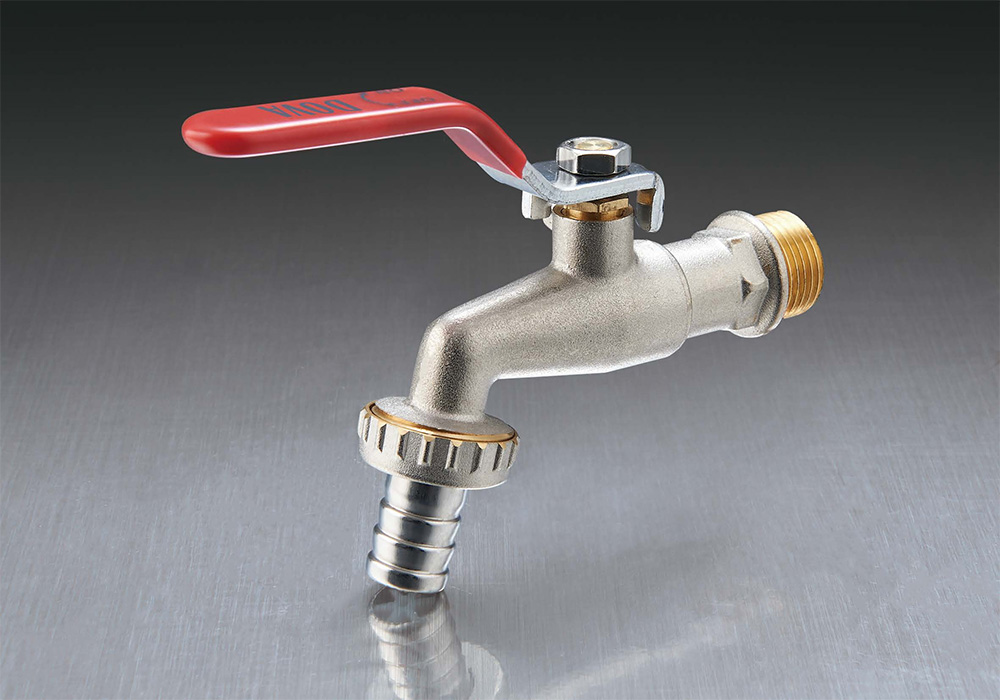
The first step in selecting a brass bibcock valve is to identify the intended use. Bibcocks can regulate fluid flow for potable water, irrigation, or industrial processes. For potable water applications, materials and seals must comply with health and safety standards related to drinking water. For outdoor use, exposure to sunlight, temperature variation, and freezing conditions should influence material choices and design features like frost-proof extensions. Understanding the environment and fluid characteristics (e.g., temperature, pressure, chemical exposure) ensures that the selected valve performs reliably over its service life.
Material and Construction Quality
Brass is chosen for its corrosion resistance, machinability, and durability. However, “brass” can vary in alloy composition. It is important to verify that the valve body and internal components are made from grades of brass suitable for the intended application. Components such as the stem, seat, washers, and packing should be compatible with the fluid and environment. For potable water, compliant lead-free brass alloys are often required. Examining the manufacturing standards (such as compliance with ISO, ASTM, or local plumbing codes) provides assurance of consistent quality and performance.
Valve Design and Features
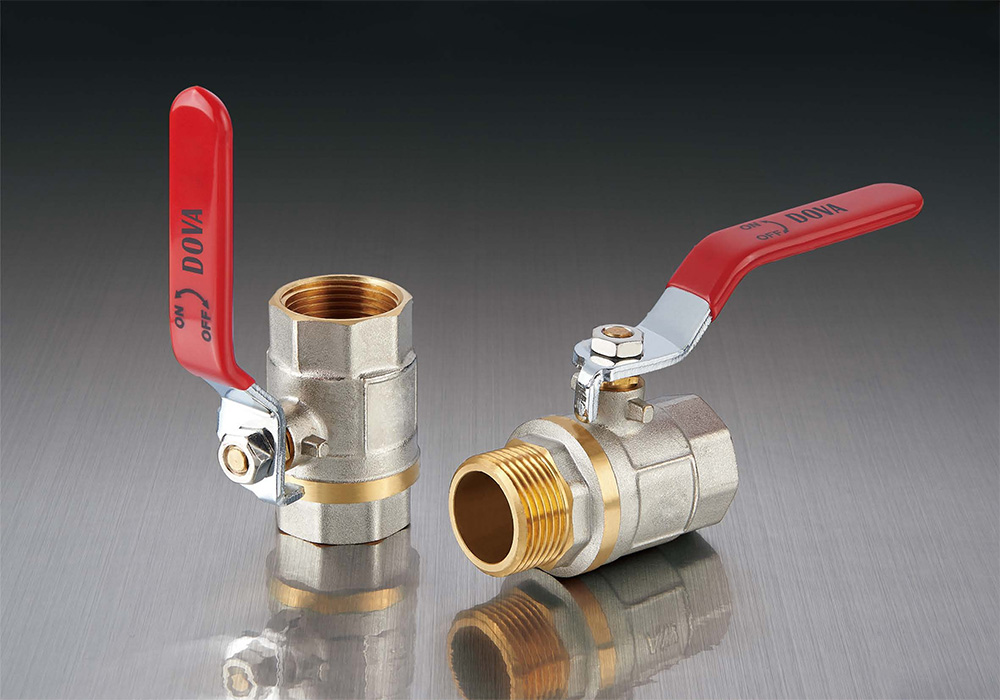
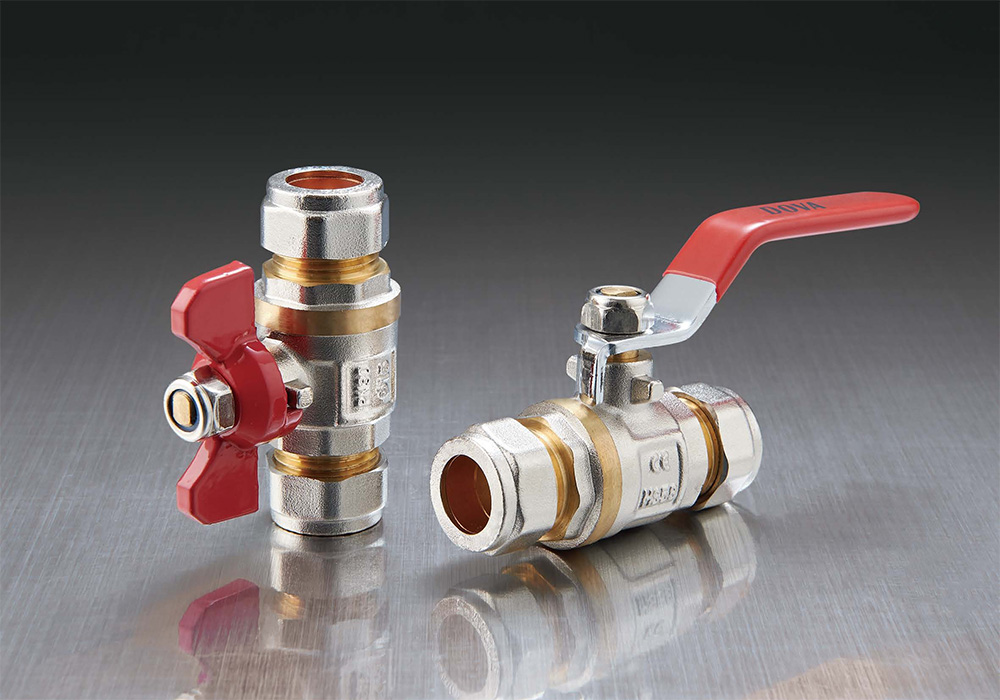
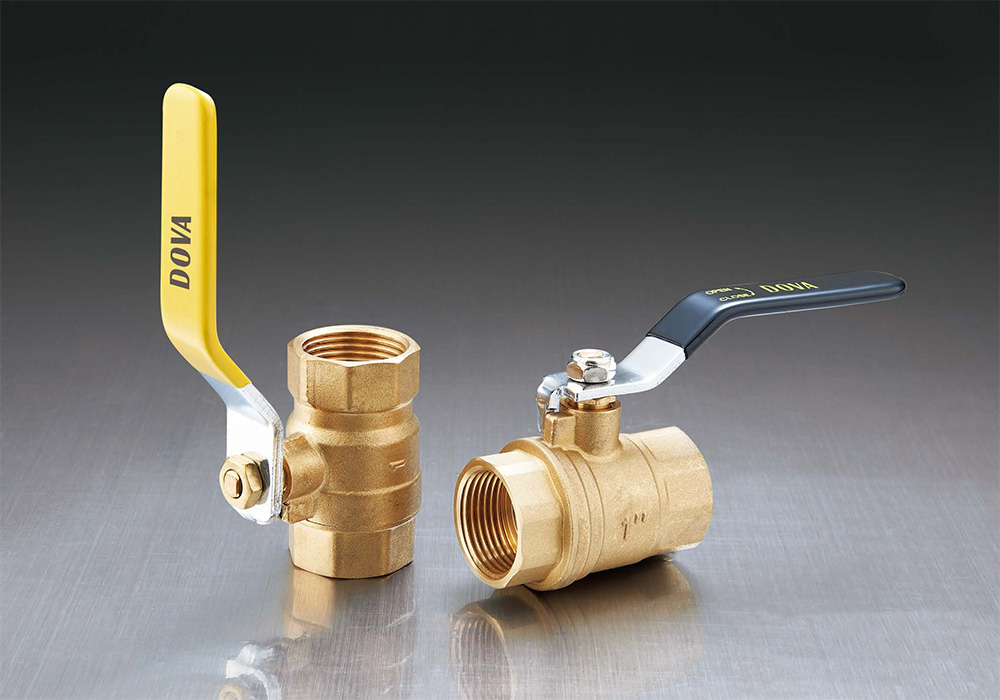
Brass bibcocks typically come in two main body styles: standard and frost-proof. Standard bibcocks serve general purposes close to the fixture or wall. Frost-proof bibcocks are designed with extended stems that place the shutoff point within the heated interior space of a wall, reducing the risk of freeze damage. Additionally, the type of handle (lever, wheel, or paddle) influences usability. Lever handles offer quick operation and are especially useful in situations where users may wear gloves. Wheel handles provide finer control in some applications. Ergonomics and accessibility should be considered, particularly for frequent use.
Sizing and Connections
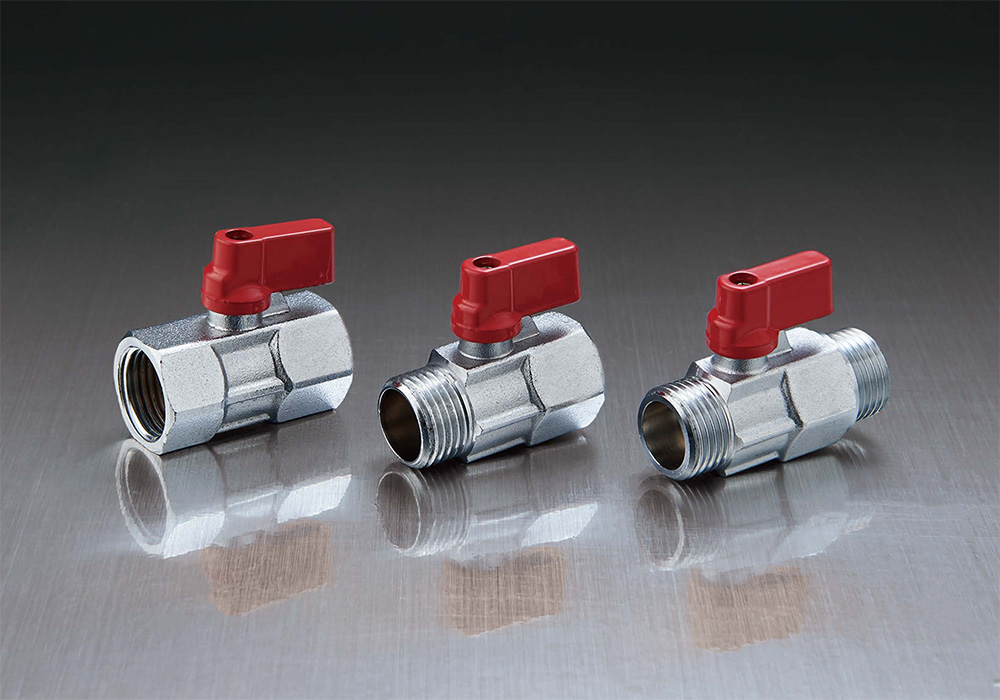
Valve size is determined by the pipe diameter and thread standard (American National Pipe Thread (NPT), British Standard Pipe (BSP), etc.). The nominal size (e.g., 1/2 inch, 3/4 inch, 1 inch) must match the existing plumbing to ensure proper sealing and flow capacity. Thread type and gender (male or female) require attention; mismatched threads can lead to leaks or incompatibility. Flow capacity, expressed as Cv or gallons per minute (GPM), may also influence sizing decisions for high-demand applications.
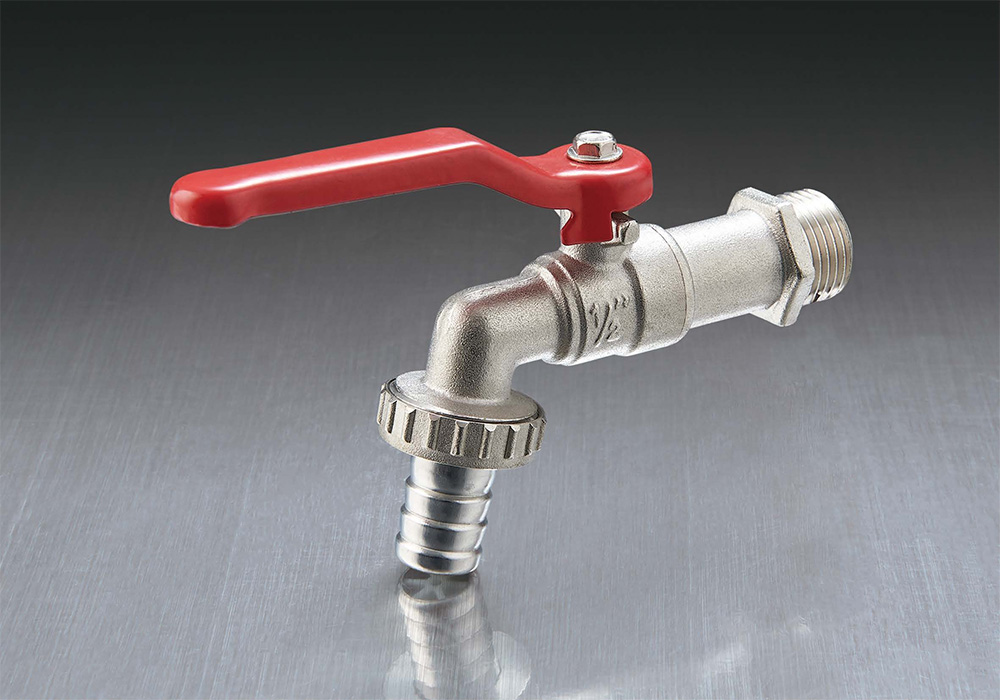
Customers can typically choose from different handle designs when ordering a custom brass bibcock valve. Common options include lever handles, wheel (handwheel) handles, and paddle handles. Lever handles are often chosen for ease of use, especially where quick shutoff is needed. Wheel handles provide finer adjustment of flow and may be preferred where incremental control is required. Paddle handles offer a balance between ease of use and compact form. Some suppliers may also offer vinyl or polymer covers on handles for enhanced grip or weather resistance.
Yes. Standard brass bibcock valves are often offered with common thread standards such as NPT or BSP. For custom orders, suppliers can provide specialized thread configurations to match specific installations, including metric threads or non-standard sizes. This option is particularly relevant for international installations or equipment interfaces where standard local plumbing threads do not apply. It is important to communicate the exact thread profile, pitch, and diameter to avoid mismatches that could lead to leaks.
Custom brass bibcocks can be manufactured with specific material grades or surface finishes based on performance requirements. For potable water systems, lead-free brass compositions are often mandated by regulation. Additionally, the surface finish—such as polished, plated (e.g., nickel or chrome), or passivated—can be customized for corrosion resistance or aesthetic purposes. In corrosive environments, some applications may require additional protective coatings or sacrificial anodes to extend service life.
Some custom bibcock valves can incorporate integrated features such as backflow prevention or check valve functions. These options enhance safety and system integrity, particularly where cross-contamination of potable water must be prevented. Integrated check valves are useful in irrigation systems or installations subject to pressure fluctuations. When specifying such features, clarify performance requirements (e.g., cracking pressure for check valves) and any applicable standards that the integrated components must meet.
The Sizes and Specifications of Brass Bibcocks with Lever Handles
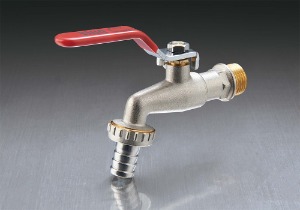
Brass bibcock valves with lever handles are commonly used due to their straightforward operation and compatibility with many plumbing systems. The following table summarizes typical sizes, connection types, and general specifications that users may encounter.
|
Nominal Size |
Inlet Connection |
Outlet Connection |
Thread Standard |
Typical Maximum Pressure (PSI) |
Typical Maximum Temperature (°F) |
Common Use Cases |
|
1/2 inch |
Male threaded |
Male threaded |
NPT or BSP |
150–300 |
180–212 |
Residential outdoor, hose bib |
|
3/4 inch |
Male threaded |
Male threaded |
NPT or BSP |
150–300 |
180–212 |
Garden hose, general plumbing |
|
1 inch |
Male threaded |
Male threaded |
NPT or BSP |
150–300 |
180–212 |
Higher flow outdoor service |
|
1 1/4 inch |
Female threaded |
Male threaded |
NPT or BSP |
150–300 |
180–212 |
Utility water systems |
|
1 1/2 inch |
Female threaded |
Male threaded |
NPT or BSP |
150–250 |
180–212 |
Light industrial fluid supply |
|
2 inch |
Female threaded |
Male threaded |
NPT or BSP |
150–200 |
180–212 |
Commercial water distribution |
Nominal Size refers to the approximate internal diameter of the valve, which corresponds to the size of pipe to which it is connected. This dimension affects flow capacity.
Inlet and Outlet Connections describe the thread gender and engagement. Male threads protrude outward and screw into corresponding female fittings, while female threads receive male threaded fittings.
Thread Standard indicates whether the threads conform to NPT, BSP, or other common standards. NPT is a tapered thread standard widely used in North America, whereas BSP is common in Europe and other regions.
Typical Maximum Pressure and Temperature reflect general operational limits. Actual limits for a specific valve should be confirmed with manufacturer ratings, especially for high-pressure or high-temperature applications.
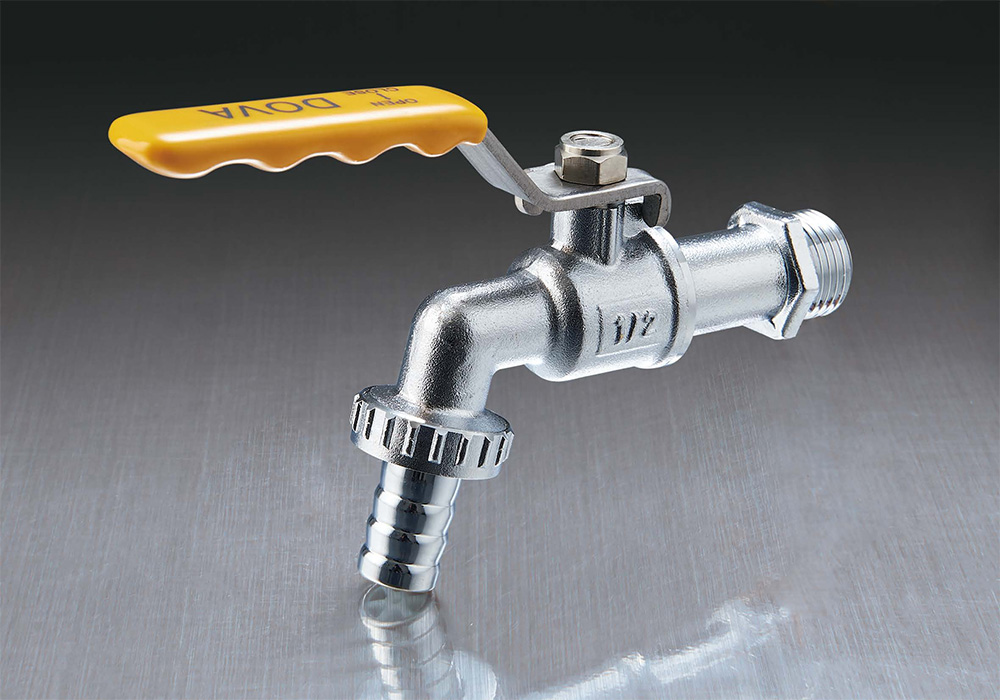
Common Use Cases provide context for where each size might be most appropriate based on typical flow requirements and installation conditions.
Brass bibcocks with lever handles are versatile and available across a range of standard sizes. The choice of size should align with the existing plumbing network and expected flow demands. Larger valves generally provide higher flow rates but may require more installation space and have higher initial cost.
Selecting a brass bibcock valve requires aligning application requirements with material properties, design features, and dimensional standards. A clear understanding of environmental conditions, fluid characteristics, and installation constraints will guide informed decisions. Custom options offer flexibility for specific needs, including handle types, thread standards, material grades, and integrated features. Finally, knowing the common sizes and specifications of brass bibcocks with lever handles enables precise matching to system requirements. This structured approach supports functionality, reliability, and longevity in fluid control applications.
Copyright © Zhejiang Jiafu HVAC Co., Ltd. All Rights Reserved.


 English
 русский