2026-03-20
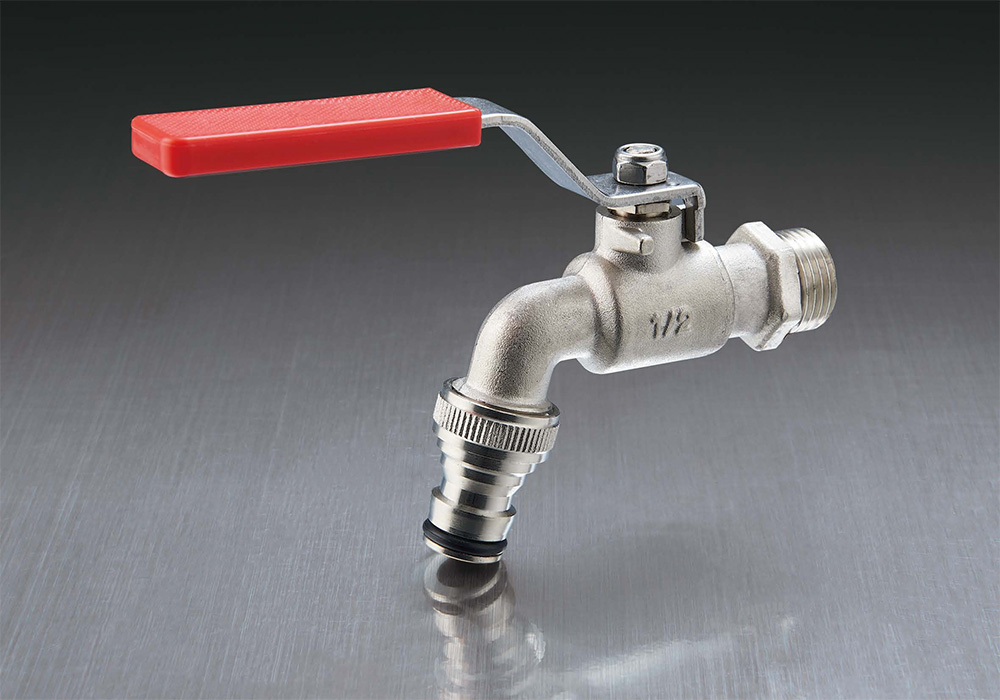
Brass valves and taps remain common components in residential, commercial, and light industrial plumbing systems. Among them, brass strainer valves serve as protective filtration devices, while brass bibcocks function as outdoor or utility water outlets. Their installation procedures, environmental profile, and maintenance requirements influence long-term system performance.
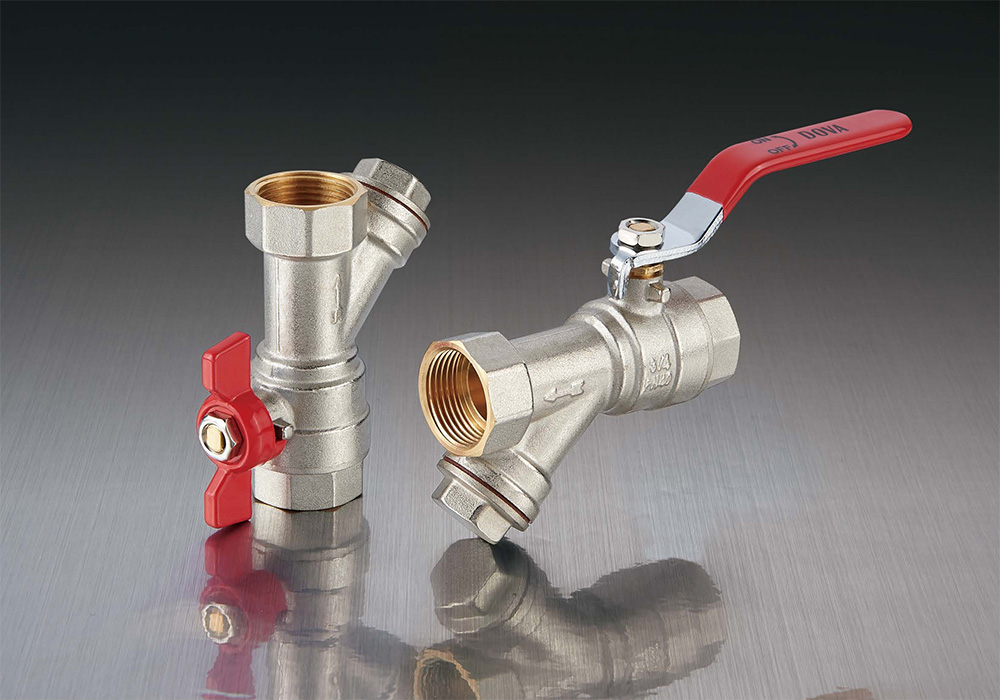
The installation complexity of a brass strainer valve depends on system configuration, pipe material, and access conditions. In standard threaded plumbing systems, installation is generally straightforward, provided basic procedures are followed.
Basic Connection Requirements
Many brass strainer valves are manufactured with threaded ends, such as BSP or NPT threads. Proper installation requires:
Matching thread standards with the existing pipeline
Applying thread sealant or PTFE tape to prevent leakage
Ensuring correct orientation of the flow direction (usually indicated by an arrow on the valve body)
Because strainers include a mesh screen chamber, they must be installed with sufficient clearance to allow removal of the cap for cleaning. Vertical or horizontal installation is often permitted, though horizontal placement with the screen facing downward is common to facilitate debris collection.
Tools and Skill Level
Installation typically requires standard plumbing tools such as adjustable wrenches or pipe spanners. No specialized equipment is necessary in basic domestic systems. However, care must be taken to avoid excessive tightening, which can stress the brass body or damage threads.
System Preparation and Testing
Before installation, the pipeline should be flushed to remove loose debris. After the strainer valve is installed, the system must be pressurized gradually and inspected for leaks. Regular maintenance access should be confirmed.
Brass strainer valves are not mechanically complex to install, but proper alignment, sealing, and accessibility planning are essential to ensure effective operation.
The environmental impact of brass bibcocks depends on material composition, production methods, durability, and recyclability. The following table outlines key considerations.
|
Environmental Factor |
Description |
Environmental Implication |
|
Material Composition |
Brass is an alloy of copper and zinc |
Both metals are recyclable and widely reused |
|
Recyclability |
Brass can be melted and reprocessed multiple times |
Supports circular material use |
|
Service Life |
Brass resists general corrosion in water systems |
Longer lifespan reduces replacement frequency |
|
Lead Content |
Modern standards limit lead in potable water fittings |
Reduced health and environmental risk |
|
Energy Use in Production |
Metal extraction and smelting require energy |
Environmental impact depends on manufacturing efficiency |
|
Water Conservation |
Bibcocks with proper sealing prevent leakage |
Reduces water waste over time |
Brass is considered recyclable because it retains its metallurgical properties after re-melting. Scrap brass from plumbing fixtures is commonly collected and reprocessed. This characteristic reduces reliance on newly mined raw materials.
Durability also influences environmental performance. A bibcock with stable corrosion resistance and structural integrity may remain functional for many years in normal outdoor use. Reduced replacement frequency lowers material consumption and waste generation.
However, environmental considerations also include the energy required for mining copper and zinc, alloy production, machining, and finishing. Manufacturing efficiency and waste management practices vary by producer.
Modern plumbing regulations in many regions require low-lead or lead-free brass for potable water applications. Compliance with such standards contributes to public health protection.
Overall, brass bibcocks can align with environmental objectives when manufactured according to regulated standards, maintained properly, and recycled at end of life.
Brass bibcocks, often installed outdoors, are exposed to mechanical use, temperature variation, and environmental conditions. The following signs may indicate the need for maintenance or replacement:
Persistent Dripping After Closure
Continuous dripping suggests wear of the internal washer or valve seat. Minor leakage can increase water consumption over time.
Handle Resistance or Stiff Operation
Difficulty turning the handle may result from mineral buildup, corrosion, or stem wear. Excessive force should be avoided to prevent stem damage.
Visible Corrosion or Surface Cracking
Discoloration, pitting, or cracks on the body may indicate material degradation, particularly in aggressive water conditions.
Leakage Around the Stem or Packing Nut
Water escaping near the handle area often indicates worn packing seals. In some cases, tightening the packing nut resolves the issue.
Reduced Water Flow
A decrease in flow rate may be caused by sediment accumulation inside the valve or partial blockage at the outlet.
Thread Damage at Connection Points
Worn or stripped threads can compromise sealing integrity and may require replacement rather than repair.
Seasonal Freeze Damage
In colder climates, water left inside the bibcock can freeze and expand, causing internal cracking. This type of structural damage typically necessitates full replacement.
When minor issues such as washer wear occur, repair kits may extend service life. However, if the valve body itself is compromised, replacement is generally recommended to maintain safe operation.
Brass strainer valves are generally manageable to install when correct threading standards, sealing methods, and maintenance access are observed. Their functional simplicity supports straightforward integration into many plumbing systems.
Brass bibcocks present environmental considerations related to recyclability, durability, and regulatory compliance. While metal production requires energy, brass components can be recycled and reused, contributing to material sustainability when managed properly.
Recognizing early signs of wear—such as leakage, corrosion, or restricted operation—helps maintain performance and prevent water waste. Through informed installation, responsible material use, and routine inspection, brass plumbing components can function reliably within typical residential and light commercial applications.
Copyright © Zhejiang Jiafu HVAC Co., Ltd. All Rights Reserved.


 English
 русский