2025-12-12
Early Appearance and Initial Use
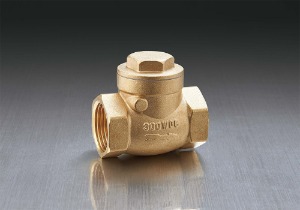
Check valves have a long history, dating back to the early industrial era when simple mechanical devices were needed to prevent reverse flow in pipes. Early check valves were often made of cast iron or bronze and were manually operated or relied on gravity to maintain unidirectional flow.
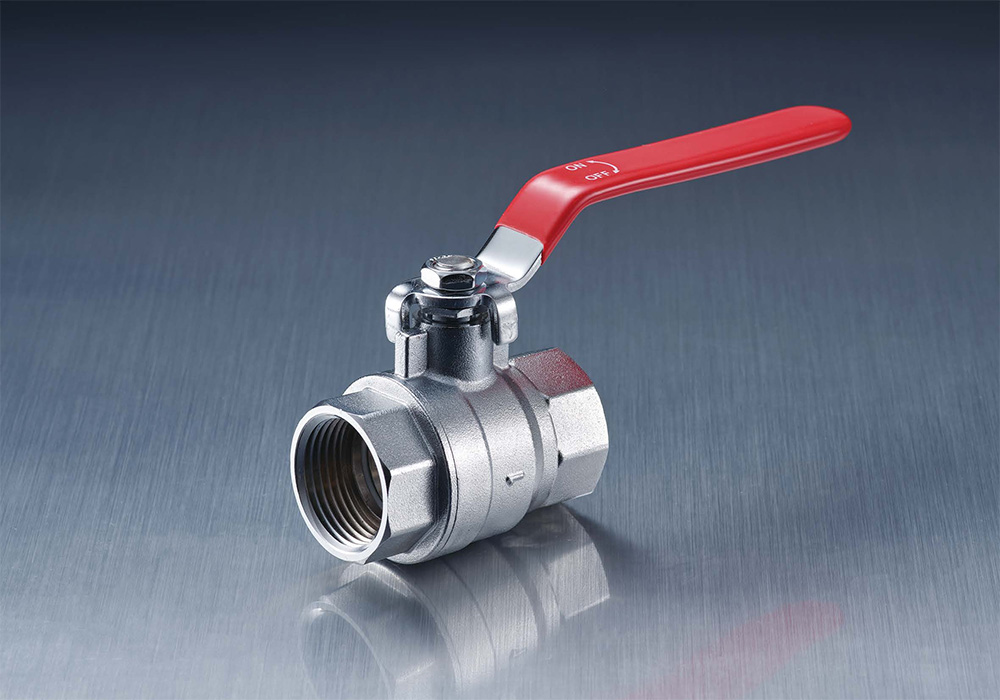
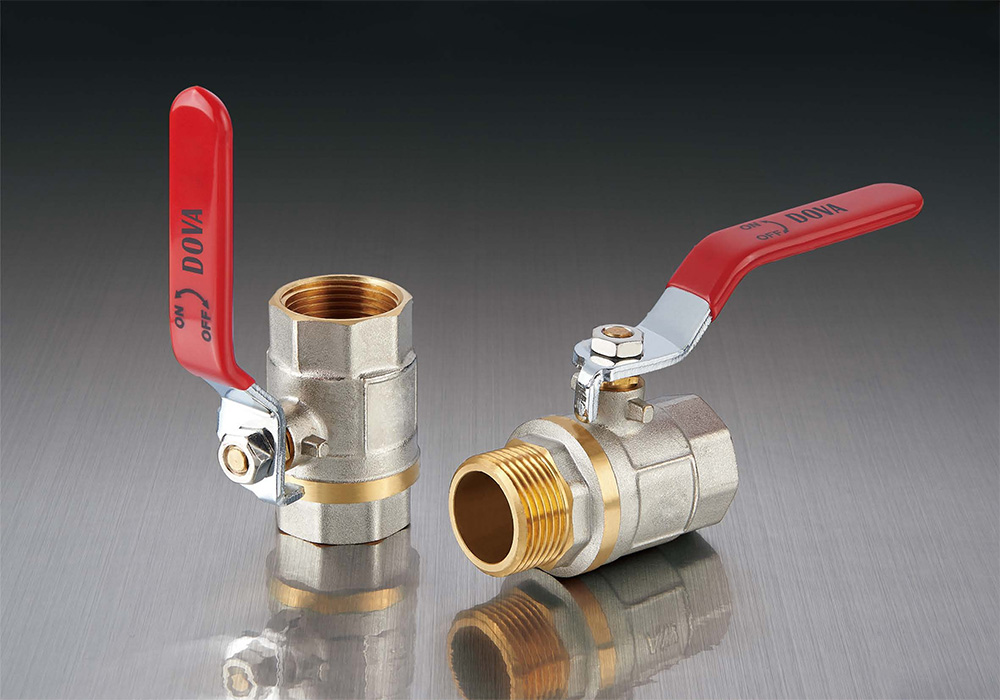
The brass check valve factory specifically appeared in the 20th century as plumbing systems and industrial pipelines began requiring more corrosion-resistant and durable materials. Brass, an alloy of copper and zinc, offered the advantages of resistance to rust, ease of machining, and compatibility with water and fuel. The initial brass check valves were primarily used in domestic water systems, steam pipelines, and basic industrial applications. These early models established the basic functional design still used today: a valve body, a movable disk or ball, and a spring or gravity-assisted mechanism to control flow.
Improvements in Design and Functionality
The design of brass check valves has evolved to improve flow efficiency, sealing capability, and operational reliability. Early models often experienced leakage or required frequent maintenance due to wear or misalignment. Over time, valve bodies were refined with precision machining, and sealing surfaces were improved using materials such as rubber or PTFE (polytetrafluoroethylene).
Spring-assisted and lift-check mechanisms were introduced to enhance responsiveness, especially in high-pressure or fluctuating flow conditions. These design improvements allowed brass check valves to operate more effectively in a wider range of applications, from household plumbing to industrial fuel lines. Innovations in compact designs also allowed installation in tight spaces without compromising performance.
Material Development and Durability
Material development has been a critical aspect of brass check valve evolution. Early brass alloys provided corrosion resistance, but modern production uses higher-quality alloys with better mechanical properties. These alloys offer improved strength, wear resistance, and longevity, allowing valves to withstand higher pressures and more demanding fluid conditions.
The development of compatible sealing materials, such as nitrile rubber and silicone, further increased valve durability and reduced the risk of leakage. These material advancements enabled brass check valves to perform reliably in systems carrying water, air, oil, or other non-corrosive fluids, expanding their applicability. Additionally, brass's natural antimicrobial properties make it suitable for potable water systems, maintaining safety and hygiene.
Expanded Applications and Modern Use
As brass check valves evolved, their applications expanded significantly. They are now used in residential, commercial, and industrial systems, including plumbing, heating, HVAC, and fuel delivery systems. Their simple design, durability, and reliability make them suitable for both low-pressure and moderate-pressure pipelines.
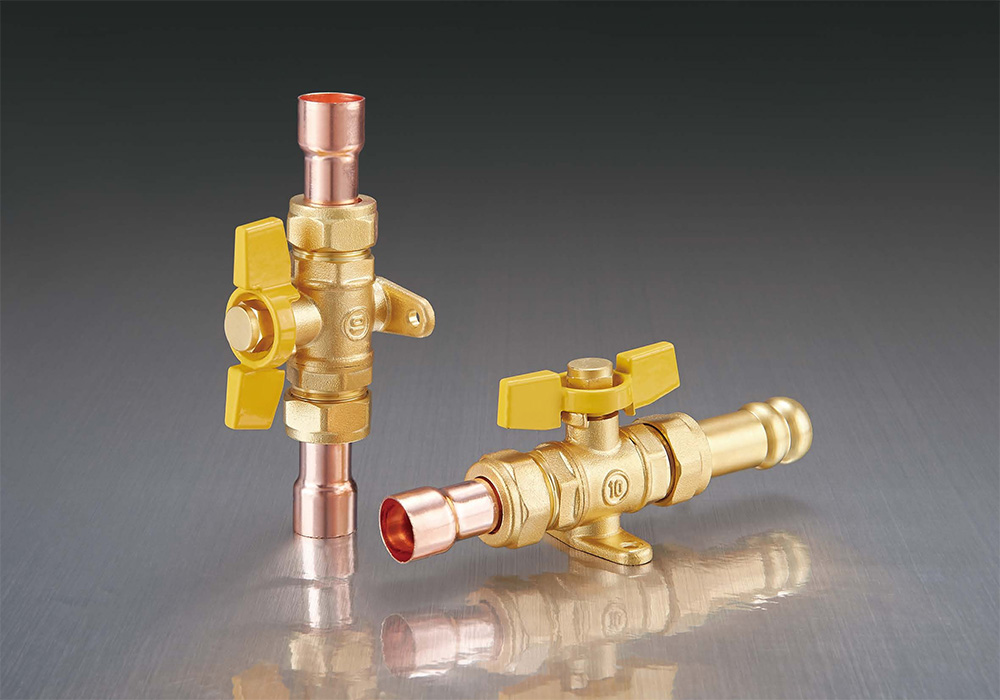
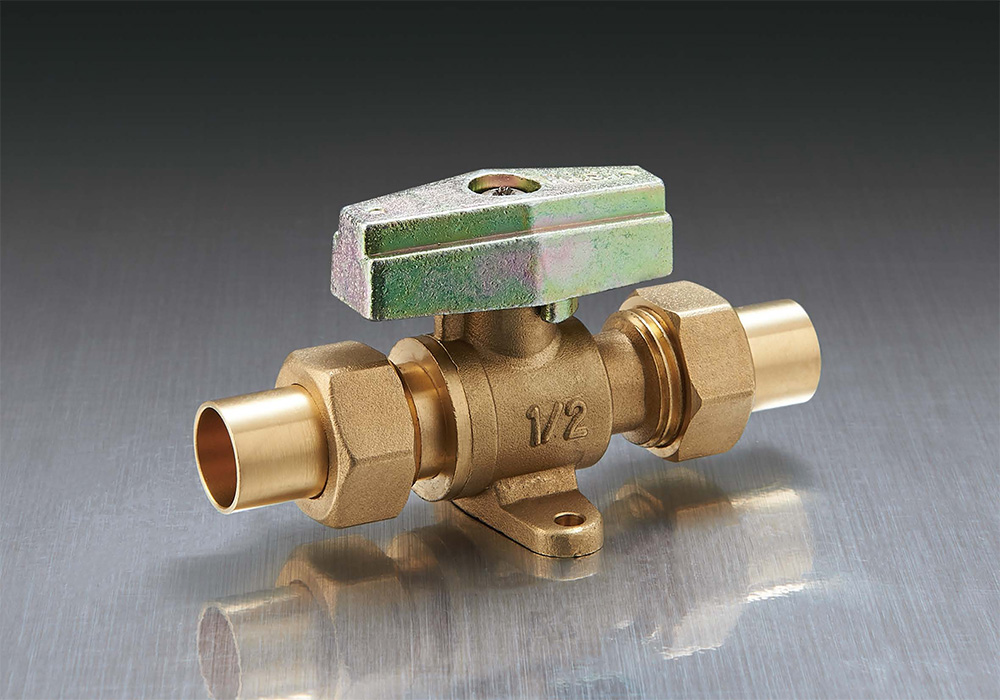
Modern brass check valves are often compact and designed for easy maintenance. Some models incorporate threaded or soldered connections for quick installation. Automation and system integration have also influenced design, with valves now available for specialized systems requiring precise flow control. The widespread adoption of brass check valves in various industries demonstrates their versatility and importance in maintaining fluid system efficiency and safety.
Brass check valves appeared in the 20th century, offering corrosion resistance and reliability for domestic and industrial fluid systems. Improvements in design, such as enhanced sealing surfaces and spring-assisted mechanisms, have increased efficiency and operational reliability. Material development, including high-quality brass alloys and durable sealing materials, has extended service life and enabled use in diverse applications. Finally, the expanded applications of brass check valves in plumbing, heating, HVAC, and industrial systems reflect their versatility and continued relevance. Understanding the history and development of brass check valves highlights how design, materials, and functionality have evolved to meet the needs of modern fluid control systems.
Copyright © Zhejiang Jiafu HVAC Co., Ltd. All Rights Reserved.


 English
 русский