2025-12-05
Brass mini ball valves provide on/off control of liquid or gas flow in pipelines, ensuring reliable operation in limited spaces. These valves are made from brass, which offers durability, corrosion resistance, and machinability. Due to their small size and straightforward design, brass mini ball valves are often used in compressed air systems, water supply lines, instrumentation, and small machinery.
Threaded End Brass Mini Ball Valves and Their Applications
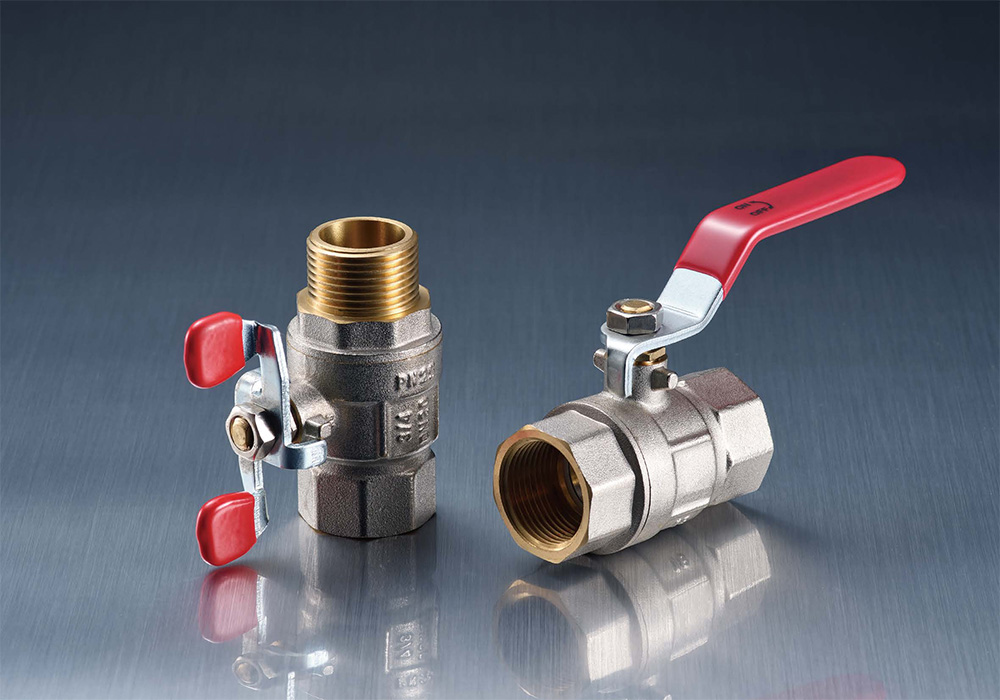
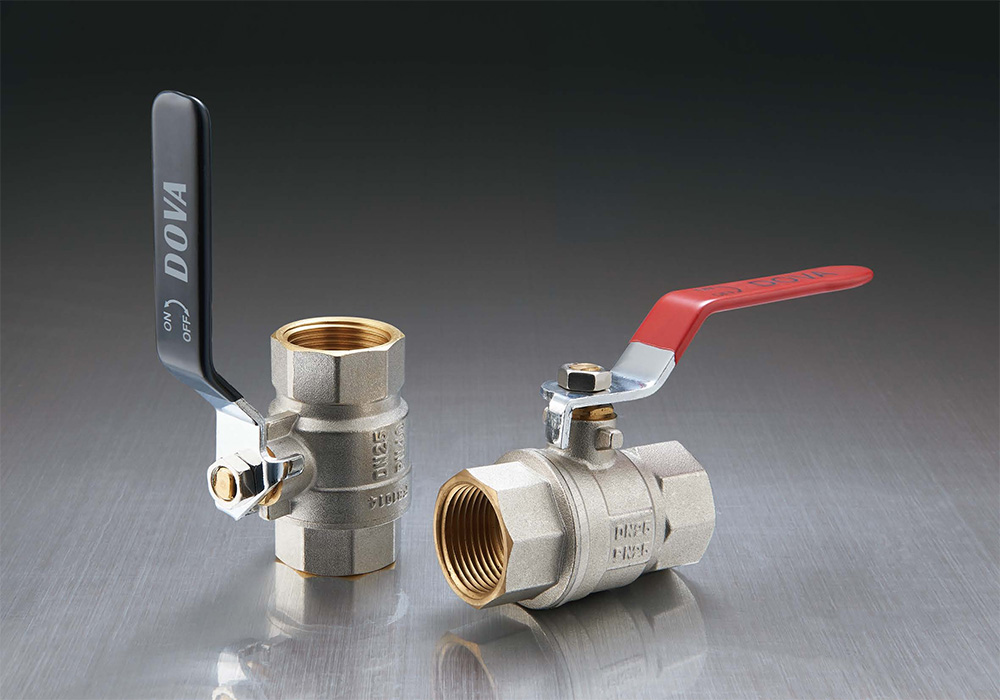
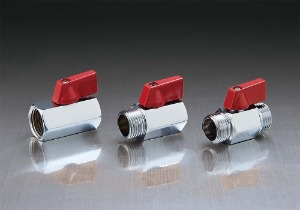
Threaded end brass mini ball valves are one of the common types, characterized by male or female threaded connections on both ends. These threads allow the valve to be screwed directly into compatible pipe fittings, creating a secure and leak-resistant connection without the need for additional components. Threaded valves are available in various sizes, typically ranging from 1/8 inch to 1/2 inch, which is suitable for small-diameter piping systems.
These valves are widely used in residential and commercial water supply systems, compressed air networks, and small-scale hydraulic systems. Their design allows for easy installation and removal, making maintenance straightforward. The internal ball mechanism enables smooth flow control with minimal pressure loss, while the brass body provides durability and moderate resistance to corrosion. Threaded end valves are particularly suitable when the piping system is rigid, and the connections can accommodate screw-type fittings.
Compression End Brass Mini Ball Valves and Their Functionality
Compression end brass mini ball valves use a compression fitting to connect to pipes. In this design, the valve contains a compression nut and a ferrule, which compresses against the pipe as the nut is tightened, forming a secure seal. This type of valve is especially useful when working with copper, plastic, or soft metal tubing, as it does not require threading or soldering.
Compression valves are commonly used in plumbing applications, laboratory equipment, and instrumentation systems where leak-free connections are critical. They allow for quick installation and disassembly, which can be advantageous for maintenance or modifications in existing piping systems. The valve operation remains the same as in other mini ball valves, with a quarter-turn handle controlling the flow. While compression fittings are convenient and effective for moderate-pressure systems, they may require periodic inspection to ensure the compression seal remains intact over time.
Push-to-Connect Brass Mini Ball Valves for Quick Installations
Push-to-connect brass mini ball valves are designed for ease of use and rapid installation. These valves allow pipes or tubing to be inserted directly into the valve body without tools, creating an immediate seal. The internal mechanism uses a collet and O-ring system to hold the tubing securely and prevent leaks.
This type of valve is commonly used in pneumatic systems, water filtration units, and other applications where rapid assembly or frequent disconnection is necessary. Push-to-connect valves reduce installation time and eliminate the need for soldering, threading, or compression tools. They are suitable for small-diameter pipes or tubing, typically ranging from 1/8 inch to 3/8 inch. While highly convenient, these valves are generally recommended for moderate-pressure systems, as pressures or temperatures may affect the sealing performance over time.
Selection Considerations for Brass Mini Ball Valves
Choosing the appropriate brass mini ball valve requires evaluating the system’s connection type, operating pressure, fluid compatibility, and installation requirements. Threaded end valves are reliable and simple, offering durable connections for rigid piping systems. Compression end valves provide flexibility and easy maintenance, suitable for tubing or soft pipes. Push-to-connect valves prioritize convenience and rapid installation, ideal for systems that require frequent disconnection or modifications.
Other factors to consider include handle orientation, valve body size, and temperature range. For example, valves used in hot water systems should be rated for higher temperatures, while those used in pneumatic systems should accommodate the system’s operating pressure. Regular inspection and maintenance can help ensure that the valve functions effectively and prevent leakage or corrosion over time. By understanding the features of each type of brass mini ball valve, users can select a valve that meets both functional and installation requirements efficiently.
Copyright © Zhejiang Jiafu HVAC Co., Ltd. All Rights Reserved.


 English
 русский