2026-01-02
What Materials Should Be Considered When Selecting a Brass Bibcock?
The material of a brass bibcock affects its durability, corrosion resistance, and suitability for water use.
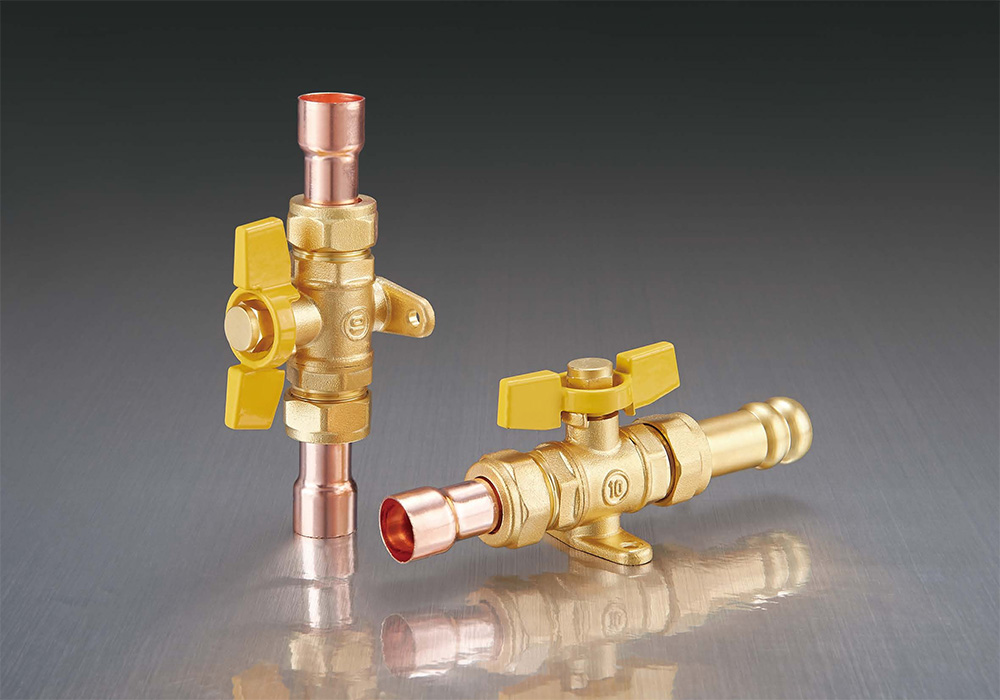
Brass Composition: A high-quality brass bibcock is usually made from a copper-zinc alloy. The ratio of copper to zinc determines hardness and corrosion resistance. Standard compositions like H59 or H62 are widely used for plumbing applications.
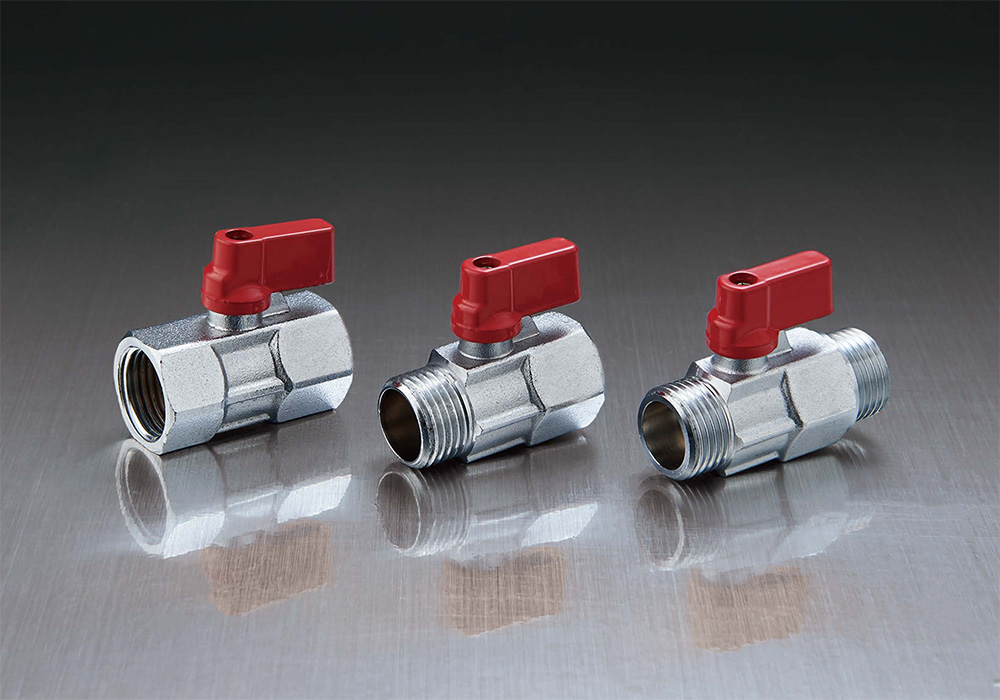
Surface Treatment: Some brass bibcocks feature nickel or chrome plating, which enhances resistance to tarnishing, wear, and chemical exposure. Plated surfaces also provide a smoother finish, improving aesthetics and ease of cleaning.
Sealing Components: Internal parts such as washers, gaskets, or O-rings are often made of rubber or silicone. These materials ensure tight sealing, prevent leakage, and maintain smooth operation over time.
Function: Selecting appropriate materials ensures that the bibcock remains functional under regular water pressure, resists corrosion, and provides long-term reliability.
What Types of Threads Are Available for Brass Bibcocks?
The thread type is a crucial consideration because it affects compatibility with plumbing systems and hose fittings.
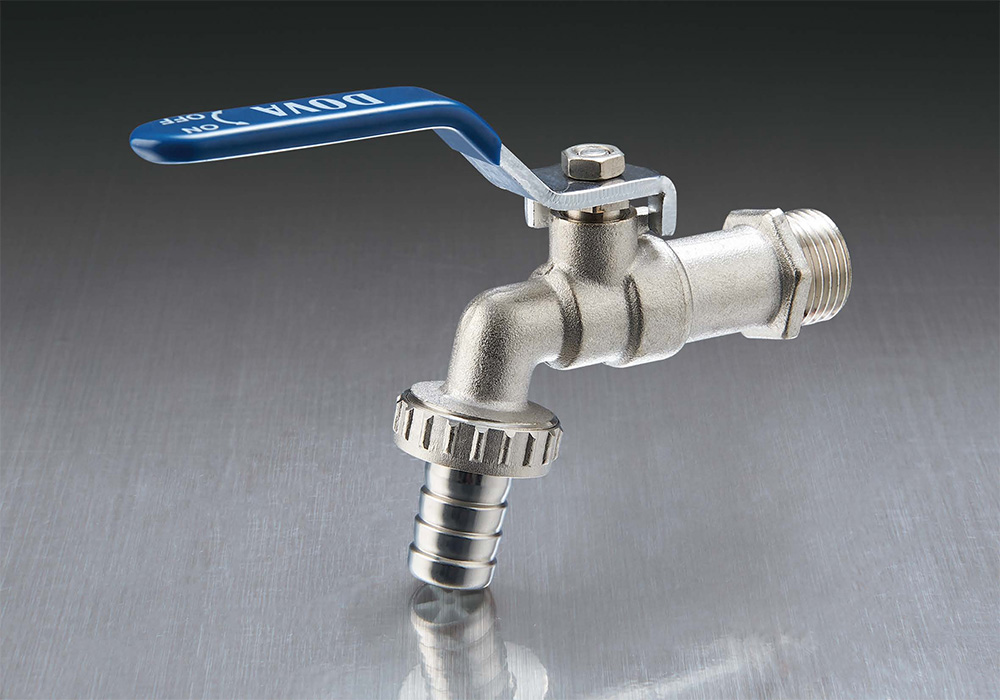
Male Threads: Male-threaded bibcocks are externally threaded and are commonly used to connect with female threaded pipes or hose connectors.
Female Threads: Female-threaded bibcocks have internal threading to connect with male threaded pipes or fittings.
Thread Standards: Thread size and pitch follow specific standards such as BSP (British Standard Pipe) or NPT (National Pipe Thread). Choosing the correct standard ensures a secure, leak-free connection.
Function: Proper thread type and size guarantee compatibility with the plumbing system, preventing leaks and facilitating installation.
What Size Should Be Selected for a Brass Bibcock?
The size of a bibcock affects water flow, pressure handling, and suitability for intended use.
Diameter: Common sizes include 1/2 inch, 3/4 inch, and 1 inch, referring to the nominal pipe diameter. The size should match the existing plumbing or hose fittings to avoid flow restrictions or leaks.
Length and Design: The spout length and outlet design can influence water reach and ease of connection. Some bibcocks have extended spouts or angled outlets to facilitate specific applications, such as garden watering or tank drainage.
Function: Choosing the correct size ensures efficient water flow, proper pressure handling, and ease of use in daily applications.
What Sealing Mechanisms Should Be Considered?
Sealing mechanisms in a brass bibcock prevent leakage and ensure smooth operation.
Washer Type: Many bibcocks use a rubber or silicone washer that compresses against the valve seat when closed. This type is simple, cost-effective, and easy to replace.
Ceramic Disc: Some modern bibcocks use a ceramic disc for sealing. These provide more precise control over water flow and have longer service life compared to traditional washers.
O-Ring Seals: In certain designs, O-rings are used to seal the stem and prevent leakage along the valve shaft. High-quality O-rings resist wear, temperature changes, and chemical degradation.
Function: The sealing mechanism determines leak prevention, operational smoothness, and maintenance requirements. Selecting the appropriate type ensures reliable performance in daily use.
The brass composition and surface treatment influence durability and corrosion resistance, while thread type ensures compatibility with pipes or hoses. Correct sizing maintains efficient water flow and pressure handling, and the sealing mechanism prevents leakage while providing smooth operation. By addressing these four key questions, users can select a brass bibcock that meets their functional requirements, fits their system, and provides reliable service over time. Understanding these aspects allows for informed decision-making, ensuring the chosen bibcock performs effectively in residential, commercial, or industrial applications.
Copyright © Zhejiang Jiafu HVAC Co., Ltd. All Rights Reserved.


 English
 русский