2026-01-09
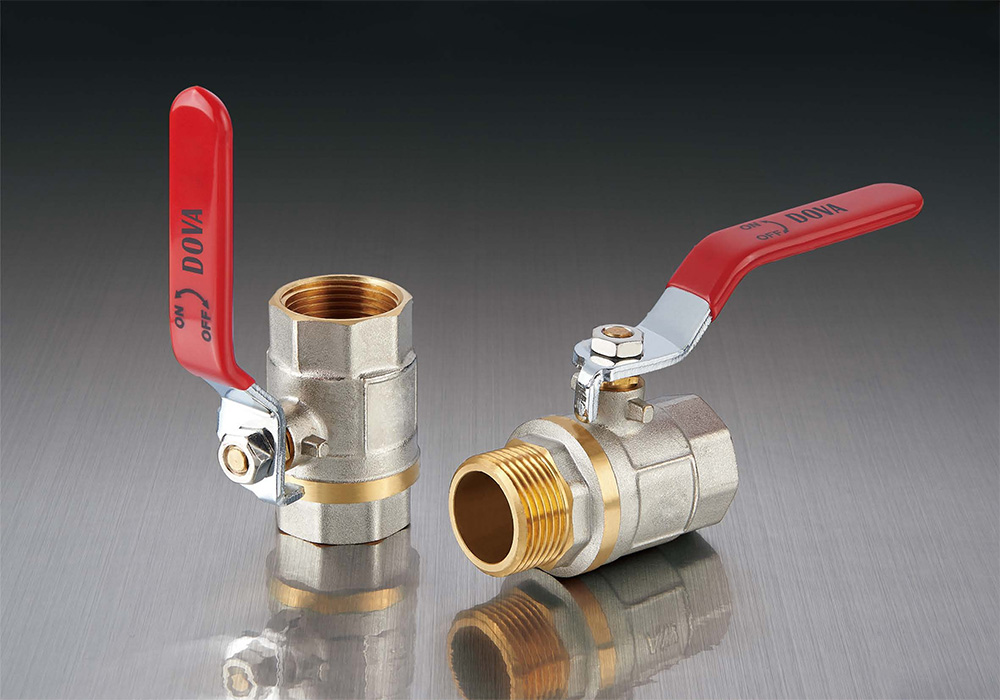
A 1/2-inch brass ball valve is a versatile component widely used in various industries. Brass is chosen for its durability, corrosion resistance, and malleability, making it an ideal material for valves that control the flow of liquids and gases.
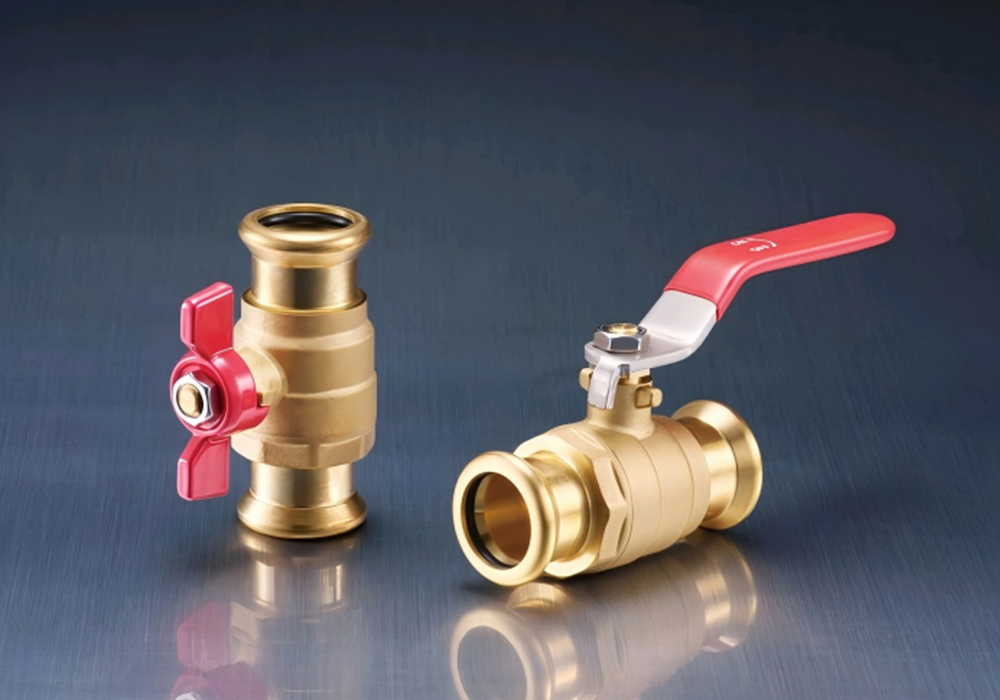
Below are some common applications of the 1/2-inch brass ball valve:
Water Distribution Systems: In residential and commercial water systems, a 1/2-inch brass ball valve is used to control the flow of water. Its ability to create a tight seal helps prevent leaks and regulate water pressure efficiently.
Heating, Ventilation, and Air Conditioning (HVAC): Brass ball valves are frequently used in HVAC systems to manage the flow of air or water, ensuring proper temperature regulation and energy efficiency. Their precision and durability are key to maintaining optimal system performance.
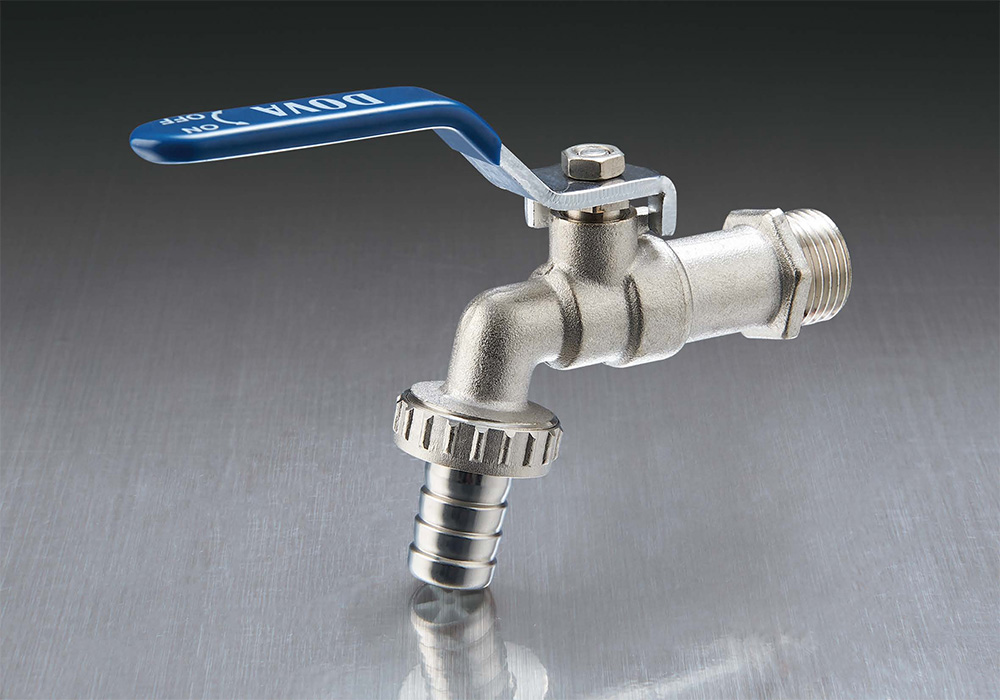
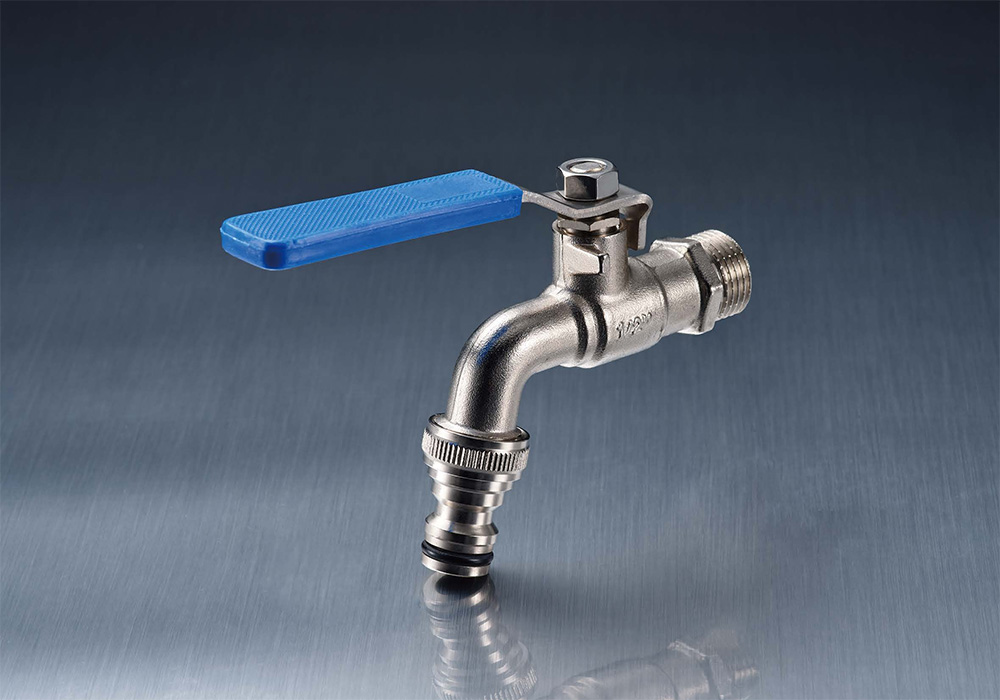
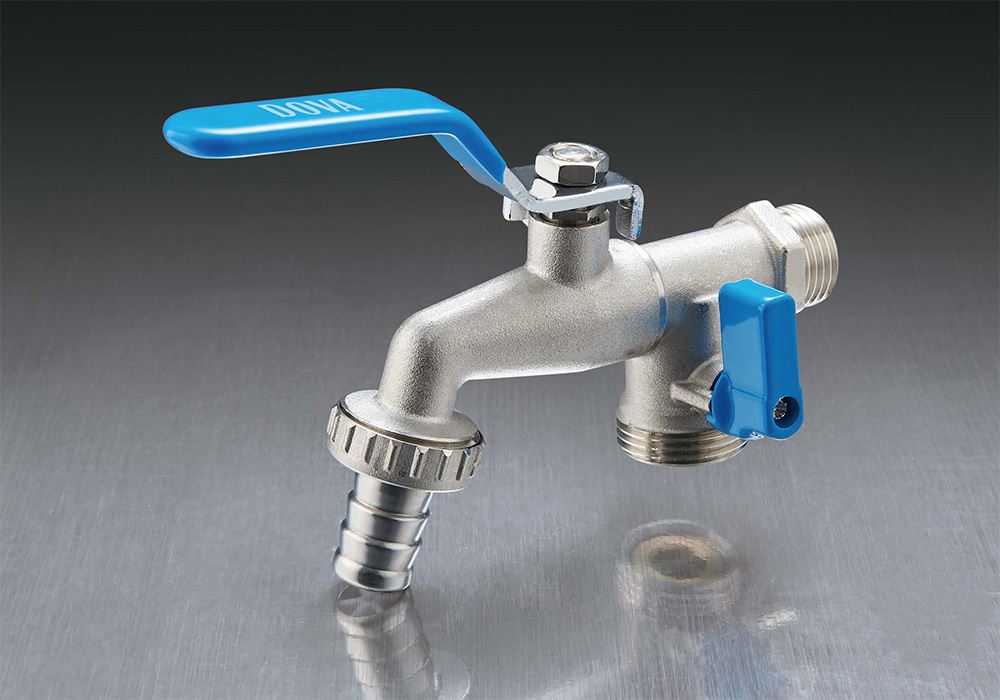
Plumbing Applications: Brass ball valves are often installed in plumbing systems for the control of water and gas flow. They are used in faucets, pipes, and various fixtures, where reliable shut-off capabilities are required.
Gas Line Installations: A 1/2-inch brass ball valve is essential in gas line applications. It is used to regulate the flow of natural gas or propane, providing safety by allowing easy shut-off during maintenance or emergencies.
Irrigation Systems: In irrigation, these ball valves are used to manage the flow of water to specific areas, ensuring efficient water distribution to crops and lawns.
Oil and Gas Industry: Brass ball valves are often employed in the oil and gas industry to control the flow of fluids and gases in pipelines, refineries, and other related infrastructure.
Food and Beverage Industry: Brass ball valves are also common in food processing and beverage industries due to their sanitary features and resistance to corrosion when exposed to certain chemicals or high temperatures.
Air Compression Systems: For compressed air applications, a 1/2-inch brass ball valve ensures the control and regulation of the air flow, maintaining pressure within safe and operational limits.
Automotive and Manufacturing: In certain mechanical systems, including automotive manufacturing and general equipment, these valves control fluid movement and prevent contamination in the system.
The 1/2-inch brass ball valve is a critical component in a wide array of applications, from water and gas distribution to industrial machinery and HVAC systems. Its resistance to corrosion and ability to deliver reliable shut-off make it an essential tool for controlling fluid flow in multiple industries.
The production of a 1/2-inch NPT brass ball valve involves several manufacturing processes that ensure its functionality, durability, and precision. Here, we explore three key manufacturing processes involved in producing these valves:
1. Casting Process
Casting is one of the most common methods for creating brass components, including ball valves. The manufacturing begins with creating a mold, usually made of sand or metal, in the shape of the desired valve body. The brass is then heated to a molten state and poured into the mold. Once the brass cools and solidifies, the mold is removed, leaving the rough shape of the valve. The casting process is efficient for mass production and allows for complex shapes, such as the valve body, to be formed.
After casting, the valve body is subjected to various finishing processes to ensure smooth edges, remove any excess material, and improve the surface quality.
2. Machining Process
Once the valve body is cast, the next crucial step is machining, which ensures the precise dimensions necessary for fitting the valve with other components, such as the ball, stem, and seals. A range of machining techniques, including turning, milling, and drilling, is used to refine the valve’s shape. The threads for the 1/2-inch NPT connection are carefully cut during this phase, ensuring that the valve will fit securely in plumbing or gas systems.
The machining process also ensures that the internal surfaces, such as the ball seat, are smooth and free from defects that could cause leaks or operational inefficiencies. This step requires high precision, as even slight inaccuracies can compromise the performance of the valve.
3. Assembly and Testing
After the individual components of the 1/2-inch brass ball valve are manufactured, the next step is assembly. This process involves inserting the valve ball, attaching the stem, and securing the handle. The ball must be positioned precisely within the valve body so that it can rotate effectively to control the flow. The assembly is typically done manually or through automated machinery, depending on the production scale.
Once assembled, the valve undergoes a series of tests to ensure its functionality and quality. These tests include pressure testing to check for leaks and verify the valve’s ability to withstand the specified pressure ranges. It is also tested for smooth operation, ensuring that the ball valve opens and closes without difficulty. Additional tests may be conducted to check the valve’s resistance to temperature changes and corrosion, which are critical for valves used in demanding environments.
Gas valves are essential components in a wide range of systems, from home heating to industrial gas distribution. Brass, as a material, is often chosen for its strength, durability, and resistance to corrosion, which makes it ideal for controlling the flow of gas. Brass gas valves come in various sizes, with the 1/2-inch and 3/4-inch versions being among the most common. While both types serve the same basic function, there are several key differences between them. This essay will explore these differences, comparing the two from multiple angles.
1. Size and Flow Capacity
One of the most obvious differences between a 1/2-inch and a 3/4-inch brass gas valve is their size. The designation refers to the valve's nominal pipe size, which impacts both the physical dimensions and the flow capacity of the valve.
2. Pressure Ratings and Application Suitability
The pressure rating of a gas valve refers to the maximum pressure the valve can handle without failure. While both 1/2-inch and 3/4-inch brass gas valves are generally designed to withstand typical household and industrial gas pressures, the size of the valve can slightly influence its pressure tolerance.
1/2-inch Brass Gas Valve: Typically, 1/2-inch brass gas valves are found in systems where lower pressures are common. Residential applications that involve smaller, less powerful gas appliances often use 1/2-inch valves, which are adequate for handling moderate pressure. The smaller size contributes to a more compact valve, which is ideal for confined spaces.
3/4-inch Brass Gas Valve: A 3/4-inch valve is typically built to handle slightly higher pressures, which makes it suitable for larger systems that require more gas flow and higher pressure tolerance. Industrial and commercial installations often use these larger valves because they can manage both the increased flow and pressure demands that come with such systems.
Pressure ratings are linked to the size of the valve because a larger valve is typically better equipped to manage increased pressure and flow. As a result, choosing the correct size ensures that the valve can operate safely within the limits of the system.
3. Cost and Availability
There is often a price difference between 1/2-inch and 3/4-inch brass gas valves, though this can depend on the manufacturer, material quality, and specific features of the valve.
The size of the valve directly impacts its cost, with larger valves generally being more expensive due to increased material costs and their more demanding applications.
Copyright © Zhejiang Jiafu HVAC Co., Ltd. All Rights Reserved.


 English
 русский