2026-06-05
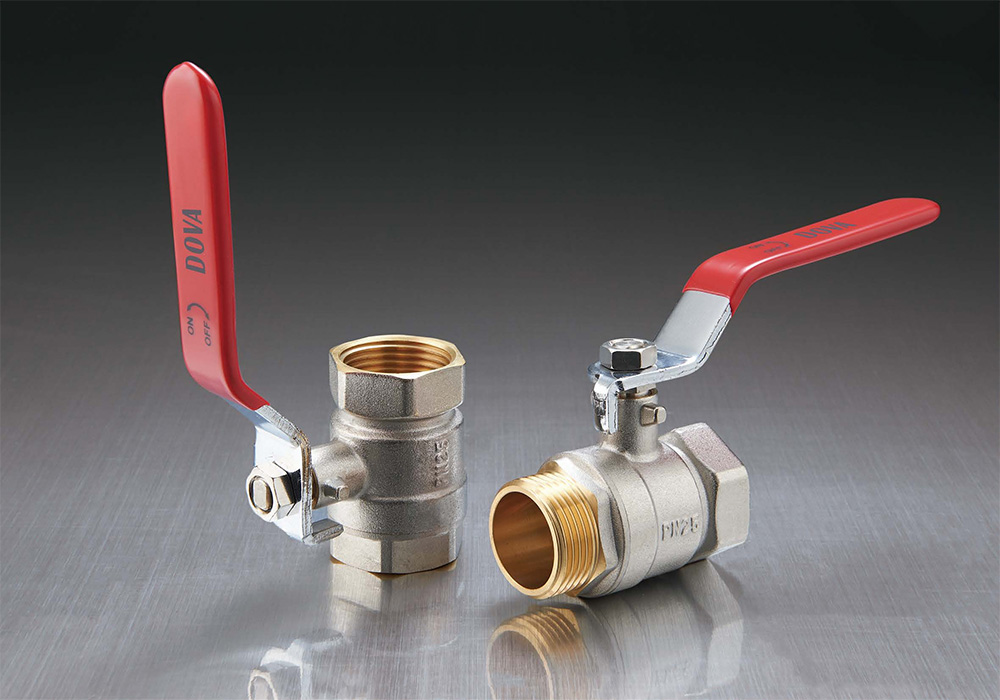
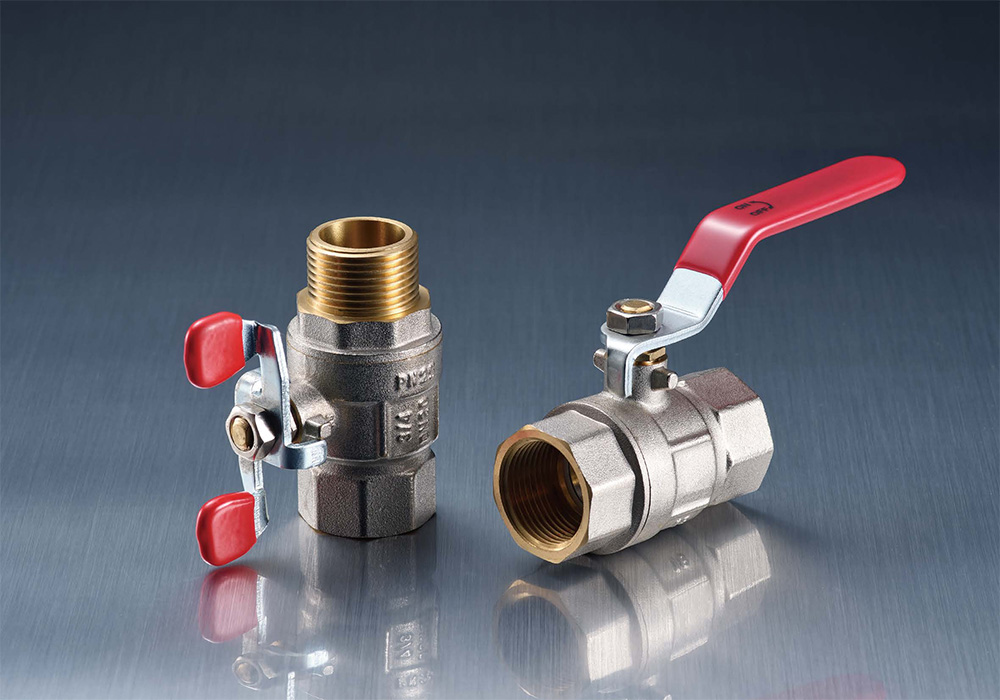
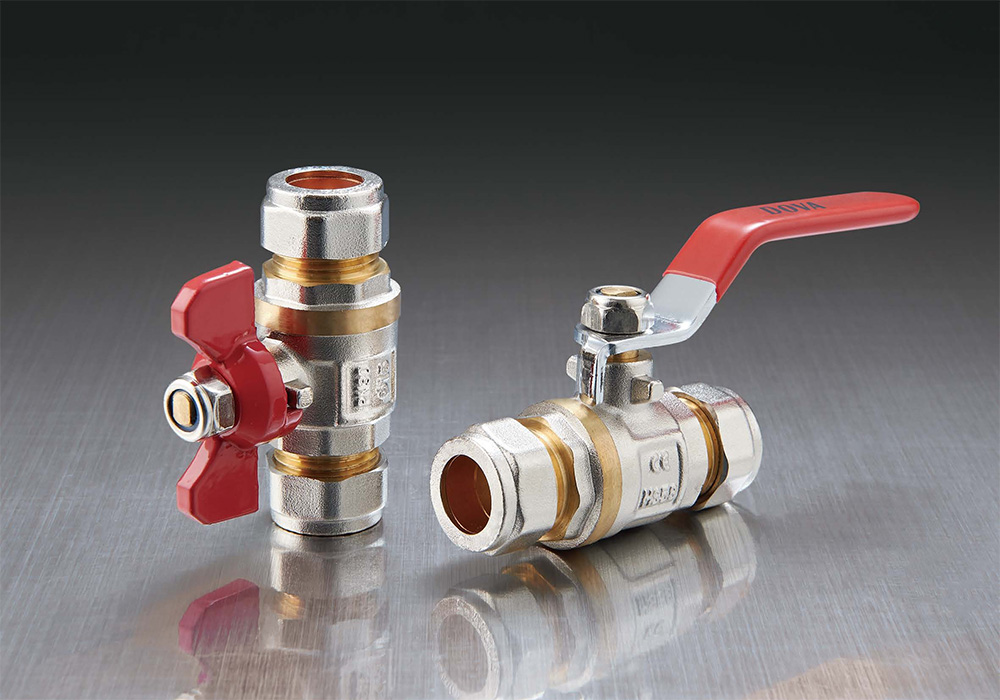
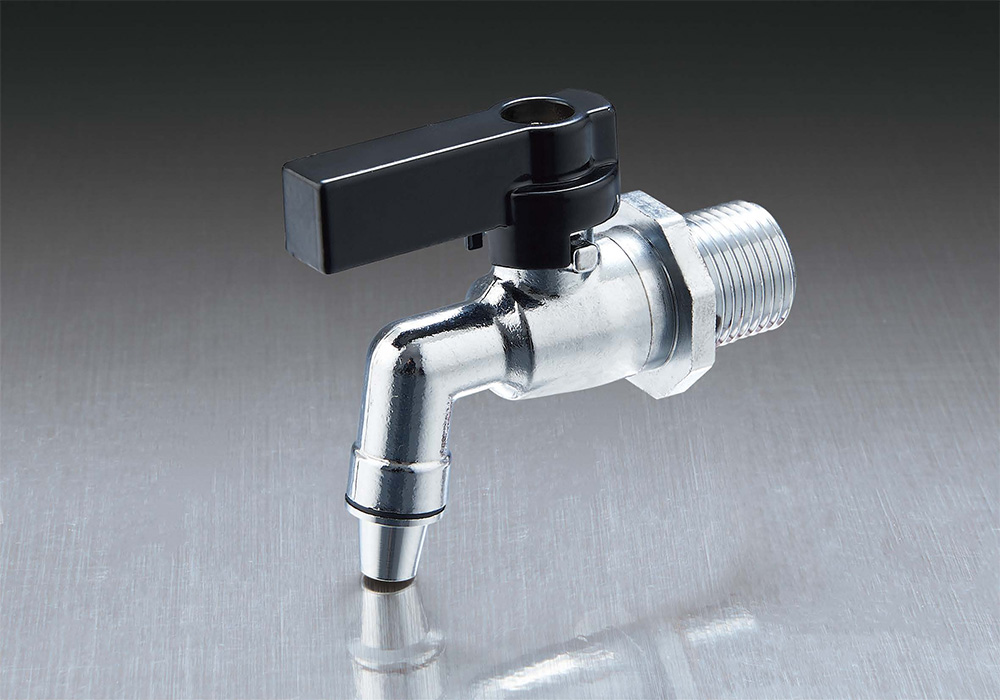
Look under any sink or behind any appliance. You will find shutoff valves. are brass. Many are small. A brass mini ball valve is the compact version of the standard ball valve. It does the same job — starting and stopping flow — in a smaller package. The smaller size fits tight spaces. The brass construction resists corrosion and handles moderate pressure. These valves show up in plumbing fixtures, air compressors, and industrial equipment where a full-size valve would not fit.
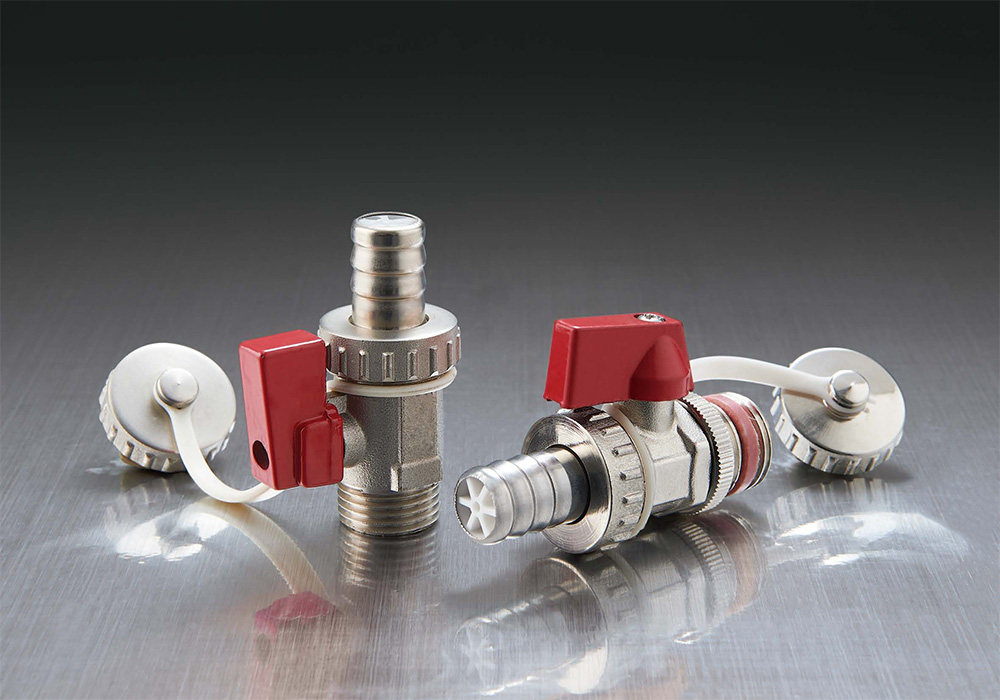
The valve uses a rotating ball to start and stop flow
Inside a brass mini ball valve, a metal ball with a hole through the center sits between two seals. The handle connects to the ball. Turn the handle, and the ball rotates. When the hole aligns with the pipe, fluid flows. When the ball turns 90 degrees, the hole faces the pipe walls. Flow stops.
The "mini" means the valve is smaller than standard. A standard 1/2-inch ball valve might be 3 inches long. A brass mini ball valve in the same size might be 2 inches long. The compact size fits in crowded equipment where space is limited.
Brass is the material choice for mini ball valves
Brass works well for small valves. It machines easily, so the parts are precise. It resists corrosion from water and mild chemicals. It costs less than stainless steel. A brass mini ball valve is strong enough for household water pressure and compressed air systems.
Here is where a brass mini ball valve works well:
Equipment manufacturers need valves that fit in crowded enclosures
Inside a coffee machine or a pneumatic control box, space is tight. A full-size ball valve would not fit. The pipes and fittings are small. A brass mini ball valve slides into the available space. The compact body leaves room for other components.
The smaller size also reduces weight. A machine with ten small valves weighs less than a machine with ten standard valves. Weight matters for portable equipment.
Mini valves use smaller handles that fit under covers
Standard ball valve handles are long. They need clearance to turn. A brass mini ball valve has a shorter handle. The handle fits inside equipment enclosures. It turns without hitting the cover. Some mini valves use a lever handle, but many use a simple tee handle or a small knob.
Forged brass starts as a solid slug that gets heated and pressed
Most brass mini ball valve bodies are forged, not cast. Forging heats a brass slug and presses it into shape under high pressure. The forging process aligns the grain structure of the metal. Forged brass is stronger and less likely to leak than cast brass.
After forging, the valve body goes to a CNC machine. The machine cuts the threads on both ends. It machines the cavity where the ball and seals sit. It drills the hole for the stem that connects the ball to the handle.
The ball is machined from solid brass and polished smooth
The ball inside a brass mini ball valve starts as a brass rod or a casting. A CNC lathe shapes it into a sphere. The lathe drills the center hole. Then the ball goes to a polishing machine. The surface needs to be smooth. A rough ball wears out the seals quickly.
The ball hole can be full-port or reduced-port. Full-port means the hole is the same diameter as the pipe. Reduced-port means the hole is smaller. Full-port valves have less flow restriction but are larger. brass mini ball valve products use reduced-port to keep the size small.
Seal material affects temperature range and chemical resistance
The seals in a brass mini ball valve are usually PTFE or a PTFE blend. PTFE handles temperatures from -20 to 150 degrees Celsius. It resists almost all chemicals. Cheap valves use cheaper seal materials. The seals swell or soften when exposed to hot water or certain chemicals.
Here is what seal material tells you about a brass mini ball valve:
Thread quality determines whether the valve leaks at the connection
A brass mini ball valve connects to pipes through threaded ends. The threads need to be clean and correctly cut. NPT threads (National Pipe Taper) seal by wedging against the mating threads. The taper angle needs to be precise.
Cheap valves have poorly cut threads. The valve leaks at the connection even with pipe sealant. The installer overtightens to stop the leak. The valve body cracks. Good valves have threads cut to NPT standards and inspected with thread gauges.
Copyright © Zhejiang Jiafu HVAC Co., Ltd. All Rights Reserved.


 English
 русский