2026-04-17
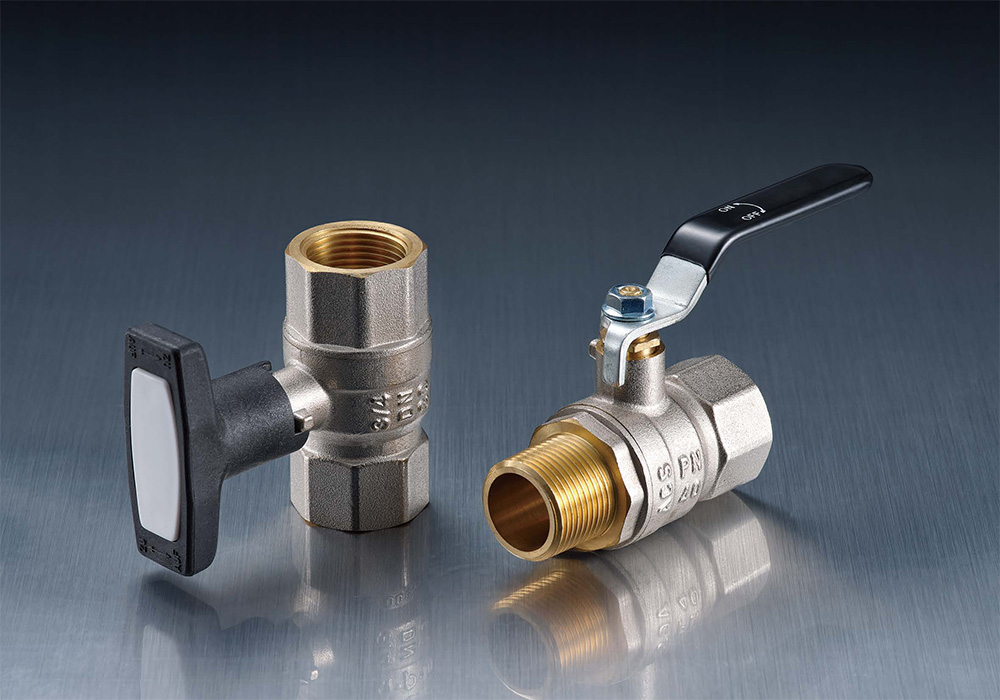
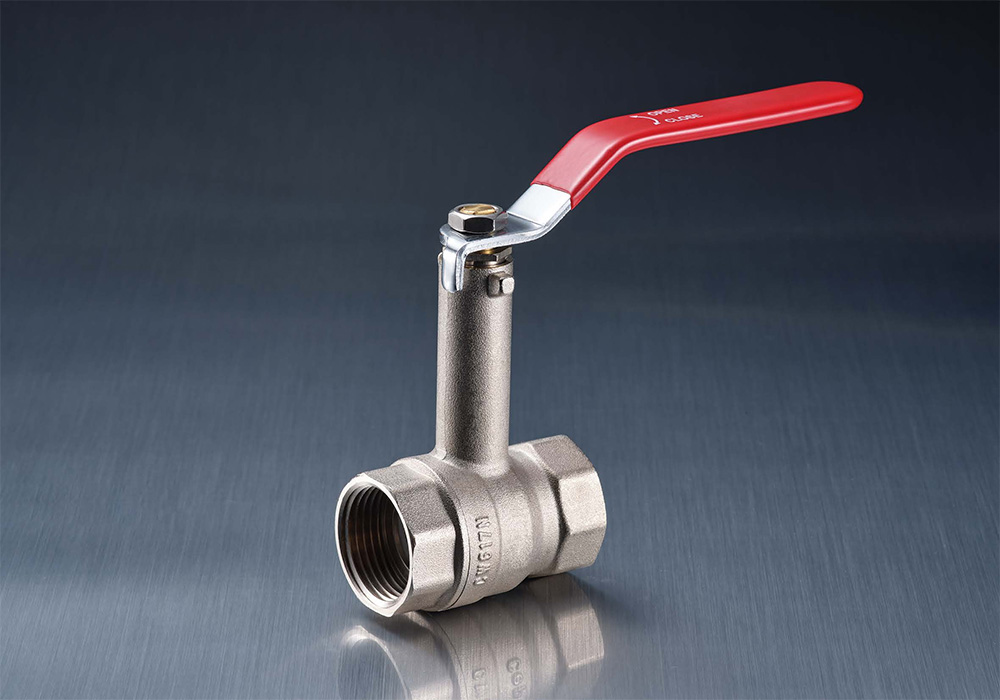
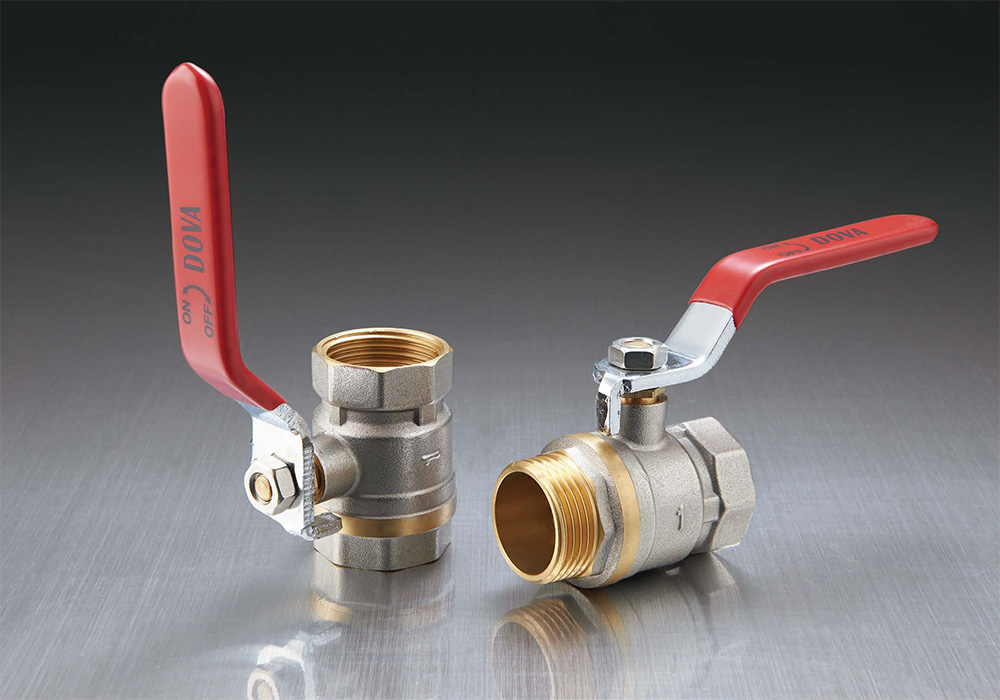
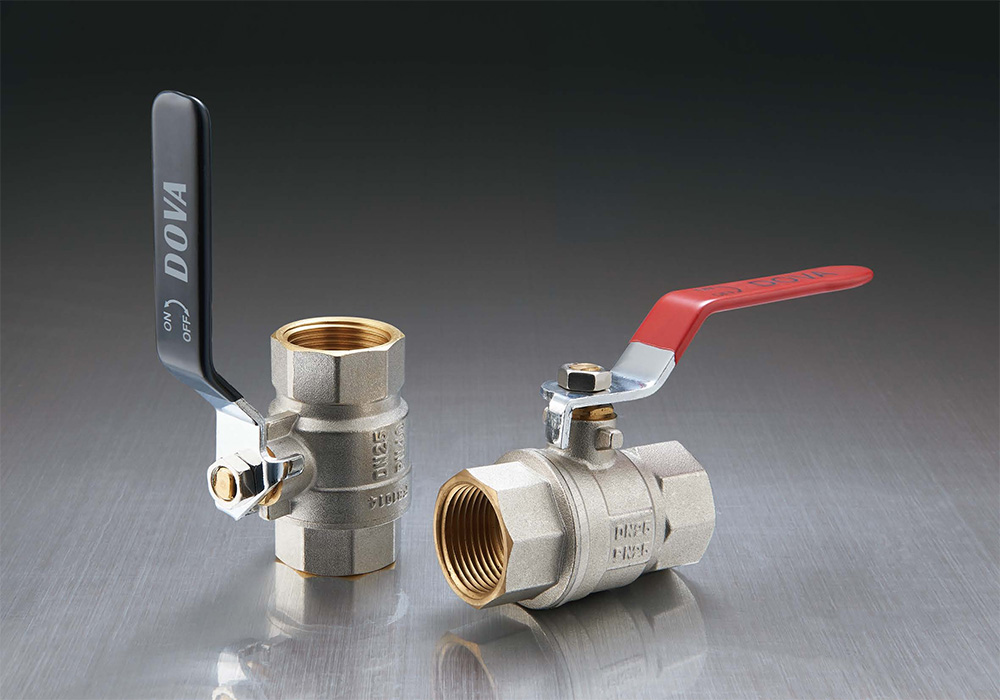
The design and functionality of the 3/8-inch brass mini ball valve make it a popular choice in both residential and industrial settings. This small yet effective valve is designed to control the flow of liquids or gases by using a rotating ball with a hole through the center. Here's how the valve functions:
· Ball Mechanism:
The core feature of this valve is the ball inside, which rotates to either open or close the valve. When the ball's hole is aligned with the pipe, the valve is open, allowing fluid or gas to flow through. When the ball is rotated so that the hole is perpendicular to the pipe, the valve closes, stopping the flow completely.
· Compact Size:
Despite its small size, typically 3/8-inch in diameter, the valve offers efficient flow control. This compact design makes it ideal for tight spaces, such as in household plumbing systems or smaller machinery.
· Easy Operation:
The valve's design typically includes a handle or lever that allows for easy manual operation. Users can quickly adjust the flow, providing a simple and reliable way to control liquids or gases.
· Sealing System:
The sealing mechanism within the ball valve ensures a tight closure when the valve is in the "off" position. This prevents leaks and ensures that no fluid or gas escapes when the valve is closed.
The material choice for the 3/8-inch brass mini ball valve plays a significant role in determining its performance, durability, and application range. Brass is the primary material used in the construction of these valves, offering several advantages:
|
Material |
Properties |
Benefits for Ball Valves |
|
Brass |
A mixture of copper and zinc, brass is corrosion-resistant and durable. |
Provides strength and resistance to wear, corrosion, and rust. |
|
Stainless Steel Ball |
Often used for the ball mechanism due to its durability and rust resistance. |
Ensures long-term durability and smooth operation. |
|
Rubber Seals |
Flexible, durable, and resistant to high pressures and temperatures. |
Prevents leakage and ensures a tight seal when the valve is closed. |
|
Nickel Plating |
Applied to enhance corrosion resistance. |
Protects the valve from exposure to harsh chemicals or extreme environments. |
Brass is particularly chosen for its combination of strength and resistance to corrosion, making it ideal for applications where the valve will be exposed to moisture or corrosive fluids. The inclusion of rubber seals ensures that the valve maintains its performance over time without leaking, while the stainless steel ball mechanism ensures smooth and reliable operation. Nickel plating can be added to improve resistance to harsh environmental conditions.
Proper installation of a 3/8-inch brass mini ball valve is critical for ensuring efficient operation and leak prevention. Below are the basic steps for installing this type of valve:
1. Select the Right Location
Ensure that the valve is installed in a location that provides easy access for operation. The compact design of the mini ball valve allows it to be installed in tight spaces, but accessibility for operation should still be a consideration.
2. Turn Off Water or Gas Supply
Before installing the valve, always ensure that the water or gas supply is turned off to avoid accidents or leaks during installation.
3. Prepare the Pipe Fittings
The 3/8-inch mini ball valve typically comes with threaded ends, which must be matched with the corresponding pipe fittings. For threaded installation, apply a thread sealant or Teflon tape to the threads to prevent leaks.
4. Attach the Valve
Using appropriate wrenches or tools, tighten the valve onto the pipe fittings, ensuring that it is securely in place but not over-tightened, which could damage the valve or pipe.
5. Test for Leaks
After installation, slowly turn the water or gas supply back on and check the valve for any signs of leakage. Operate the valve to ensure that it opens and closes properly and that no fluid escapes from the connections.
Correct installation is essential to avoid leaks and ensure the longevity of the valve. If unsure, seeking professional assistance is advisable for more complex installations.
The 3/8-inch brass mini ball valve is versatile and can be used in a wide range of applications. Its small size and durable construction make it suitable for several industries, including residential, commercial, and industrial sectors. Some of its key applications include:
· Plumbing Systems
In residential and commercial plumbing, these valves are often used to control the flow of water to appliances, faucets, or sections of a water supply system. Their compact design allows them to be installed in tight spaces, ensuring that water flow can be easily shut off when necessary.
· Irrigation Systems
Brass mini ball valves are commonly used in irrigation systems for controlling the water supply to various sections of a garden or farm. Their durability and ability to withstand outdoor conditions make them ideal for agricultural applications.
· Gas and Liquid Flow Control
These valves are often used in applications where gas or liquid flow needs to be precisely controlled. They are commonly found in industrial settings, such as laboratories, manufacturing plants, and HVAC systems, where controlling fluid or gas is crucial to the operation of the system.
· Automotive and Marine
The 3/8-inch brass mini ball valve is also used in automotive and marine applications for controlling fuel, water, and air flow. Its resistance to corrosion and wear makes it a reliable option for these high-demand environments.
· HVAC Systems
In heating, ventilation, and air conditioning (HVAC) systems, mini ball valves help regulate the flow of fluids or gases through the system, ensuring that heating and cooling processes work efficiently.
Copyright © Zhejiang Jiafu HVAC Co., Ltd. All Rights Reserved.


 English
 русский