2026-05-08
Pumps that wear out faster than expected. Valves that stick or fail to seal cleanly. Flow meters that give inconsistent readings. In each case, the damage often traces back to the same source: solid particles circulating through the system that should have been stopped before reaching sensitive equipment. For engineers and maintenance teams managing fluid systems, the cost of unprotected pipelines shows up in repair frequency, unplanned downtime, and shortened component life. A Brass Strainer Valve addresses this by intercepting debris at the pipeline level — before it reaches the equipment that the whole system depends on.
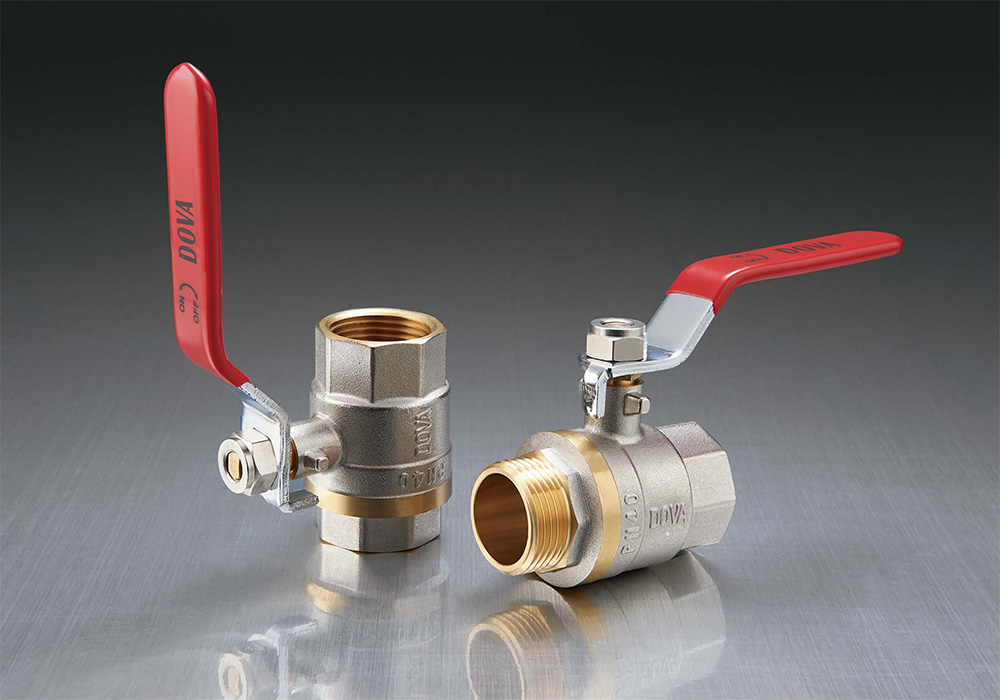
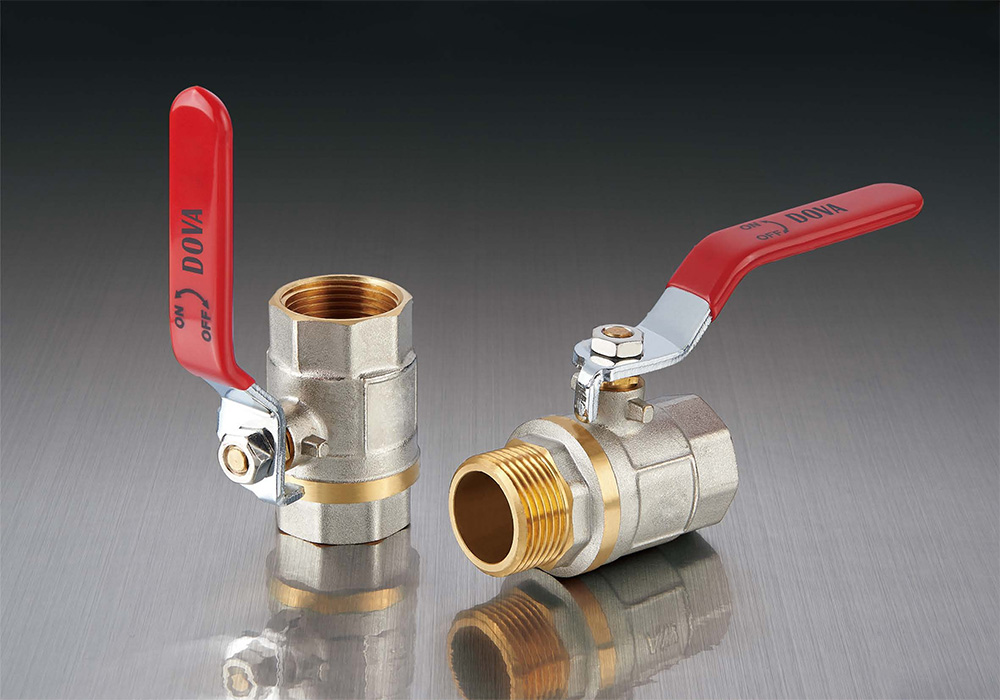
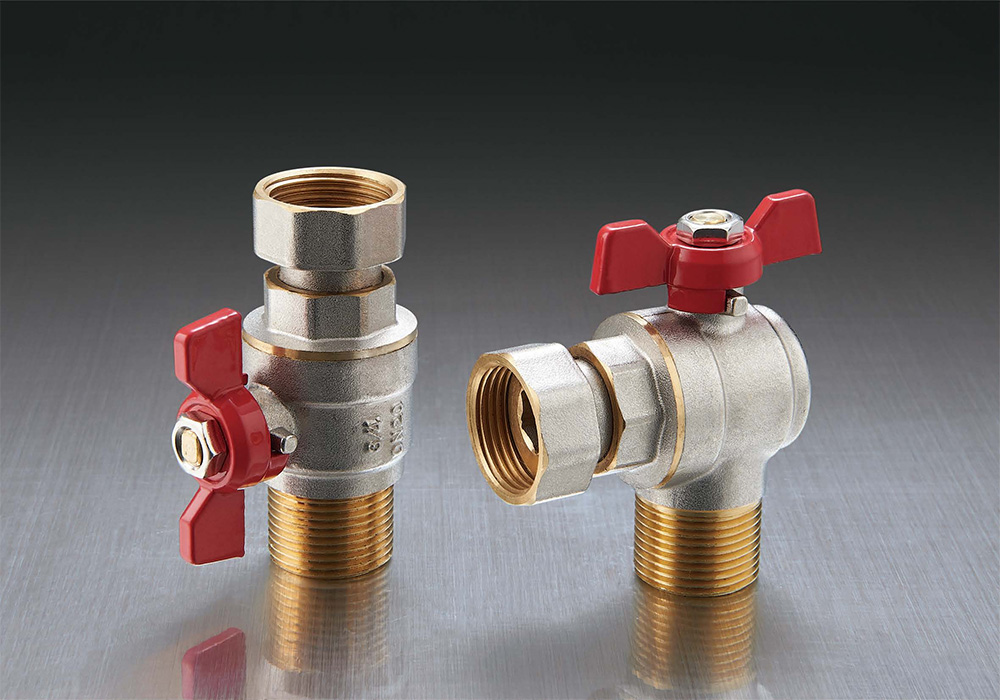
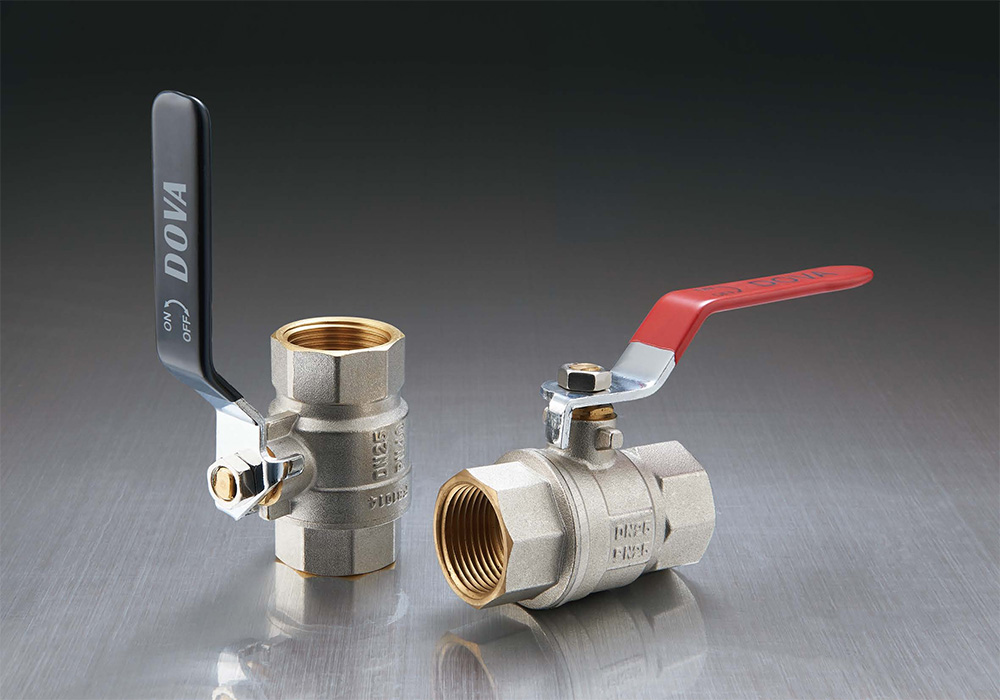
A Brass Strainer Valve is an inline filtration device installed within a pipeline to capture solid particles from the fluid flow. It combines the debris-stopping function of a strainer with valve-like integration into the pipework, allowing the filter element to be accessed, cleaned, or replaced without taking the full line out of service.
The core components:
Brass is the standard material for this type of component because it combines corrosion resistance with machinability and compatibility with a wide range of fluids — including potable water, HVAC circuits, compressed air, and light industrial media.
Fluid enters the strainer body and is directed to flow through the mesh screen. Particles larger than the screen aperture are trapped on the upstream face of the mesh while clean fluid continues downstream. The collected debris accumulates in a chamber below or around the screen and can be purged during maintenance.
The pressure differential across the strainer increases as the screen collects debris. This differential is monitored in well-designed systems to signal when cleaning is due — before the buildup is significant enough to restrict flow or cause pressure loss that affects downstream equipment performance.
A Brass Strainer Valve only protects what is downstream of it. Placement in the pipeline is therefore a critical installation decision, not an afterthought. Strainers are positioned upstream of:
Placing the strainer as close as practical to the equipment it protects reduces the length of exposed pipeline between strainer and equipment — and the opportunity for debris that bypasses or accumulates after the strainer to reach the target.
Brass alloys resist corrosion from water, including treated water with varying pH and dissolved mineral content. This makes them suitable for long-term installation in plumbing circuits where the fluid chemistry changes over time or between seasons. Unlike ferrous materials, brass does not contribute iron corrosion products to the system — which is particularly important in systems where downstream components include flow meters or sensors sensitive to contamination.
Standard brass grades handle the pressure and temperature ranges encountered in commercial and light industrial plumbing without the dimensional or structural compromise that lower-grade alloys would produce. The material holds thread geometry under pressure cycling, which is relevant for strainer end caps that are removed and reinstalled during maintenance.
Brass Strainer Valve bodies are manufactured to standard thread forms and connection dimensions, making them compatible with the fitting inventory already present in a wide range of plumbing systems. This reduces the need for transition fittings or adapters that introduce additional connection points and potential leak paths.
The two principal body configurations for inline strainers each have installation characteristics that suit different system layouts.
| Feature | Y-Type Strainer | T-Type Strainer |
|---|---|---|
| Body shape | Angled — screen sits in a diagonal branch | Straight-through with perpendicular chamber |
| Inline pressure drop | Lower — flow path is less obstructed | Slightly higher — flow changes direction |
| Screen cleaning access | End cap at the branch angle | Bottom chamber removable |
| Orientation flexibility | Horizontal or vertical (specific rules apply) | Horizontal only in many configurations |
| Typical application | General plumbing, HVAC, water supply | Applications where regular cleaning access is needed |
Y-type strainers are the standard choice across a broad range of plumbing installations because they integrate into horizontal or vertical runs without requiring a specific orientation relative to gravity. T-type configurations are used where easy bottom-access cleaning is a maintenance priority.
Hydronic heating circuits circulate water through boilers, heat exchangers, and terminal units. Scale fragments, flux residue from copper pipework, and general sediment all circulate in these systems. A strainer upstream of the circulating pump protects the pump impeller and seal from abrasive particles that would otherwise accelerate wear.
In chilled water systems, the same logic applies. The chiller itself, the coils, and the control valves that regulate zone flow all benefit from protected upstream flow.
Municipal water supply contains fine sediment, pipe scale from aging infrastructure, and occasional sand or grit. Even where water treatment is thorough, particles enter pipework through connection work, pressure fluctuations, or erosion of aging pipe walls. Strainers at the main entry point protect the entire downstream distribution from this particulate load.
In buildings with high-sensitivity end uses — laboratories, food service kitchens, or medical facilities — additional strainers at individual equipment feeds provide a secondary filtration stage.
Process systems that handle fluids containing suspended solids, process water recycled from manufacturing, or compressed air with condensate and pipe debris all require inline filtration at critical points. Strainers protect instrumentation, valves, and flow-critical components from the particle loads that these media carry.
Drip irrigation systems are particularly vulnerable to nozzle clogging from fine sand and sediment in supply water. Strainers at the system inlet and at zone transitions prevent clogging that would create uneven distribution across the irrigated area.
The mesh size of the filter screen determines which particles are captured and which pass through. Coarser mesh removes larger debris — gravel, scale fragments, rust flakes — with lower pressure drop and longer intervals between cleaning. Finer mesh captures smaller particles but collects them faster, requiring more frequent maintenance attention.
Mesh selection is a balance between the particle size that would damage downstream equipment and the maintenance frequency the system can practically support. In commercial plumbing applications generally, a medium mesh grade handles the particle population that represents real risk to pumps and valves without creating a maintenance burden.
Different fluid systems carry different particle populations, and the strainer selection should reflect this:
A strainer that is not cleaned when it should be creates a flow restriction that affects the performance of everything downstream. The pressure differential across a loaded strainer increases system head loss, reduces pump efficiency, and can starve equipment of the flow it needs to operate correctly.
Cleaning frequency depends on the particle load in the system. In clean water distribution systems, maintenance intervals can be extended considerably. In systems with high sediment content or during post-installation commissioning when debris is being flushed out, more frequent attention is needed.
Damaged screens should be replaced rather than reinstalled. A screen that allows bypass provides no protection and should be treated as a failed component.
The strainer must match the pipeline connection size and the operating pressure of the system. Undersizing the connection creates an unnecessary flow restriction; selecting a strainer rated below system pressure is a safety issue. Both should be confirmed against system specifications before ordering.
Strainer bodies are available with threaded connections for smaller pipe sizes and flanged connections for larger diameter installations or where regular removal is expected. The connection type should match the existing pipework and the installation approach.
Stainless steel is the standard screen material for Brass Strainer Valves — it provides adequate corrosion resistance in the fluid environments where brass bodies are used and holds its form under the differential pressure loading that occurs as the screen collects debris. Screen mesh grade is selected based on the particle risk profile of the application.
Where maintenance intervals are short or where maintenance access is difficult, specifying a strainer with a larger chamber volume under the screen reduces cleaning frequency. Designs with a drain plug at the lowest point allow partial flushing without full disassembly, which is a practical benefit in systems where a full isolation is inconvenient.
Specifying a strainer by dimension and pressure rating is only part of the procurement decision. Material quality, thread accuracy, seal design, and screen construction all determine how the component performs over its service life — and how reliably it protects the system it is installed in.
A strainer body with inconsistent wall thickness may handle the design pressure without issue but develop fatigue cracking under the thermal cycling of a real HVAC installation. A screen with loose mesh construction may pass initial inspection but deform under differential pressure, allowing particles to bypass. These are manufacturing quality issues that do not appear in a specification sheet.
For engineering and procurement teams sourcing inline filtration components for plumbing, HVAC, or industrial systems, working with a manufacturer who controls material specification, dimensional accuracy, and screen construction quality provides confidence that the strainer will perform as the system requires — not just as the specification describes. Zhejiang Jiafu HVAC Co., Ltd. manufactures Brass Strainer Valves and related fluid control components for commercial, industrial, and HVAC applications, with production documentation and technical specifications available to support project specification and procurement approval processes.
Copyright © Zhejiang Jiafu HVAC Co., Ltd. All Rights Reserved.


 English
 русский